Can Biodegradable Clear Cups Be Recycled? An In-Depth Analysis of Composting and Recycling Options for PLA Cups

Introduction
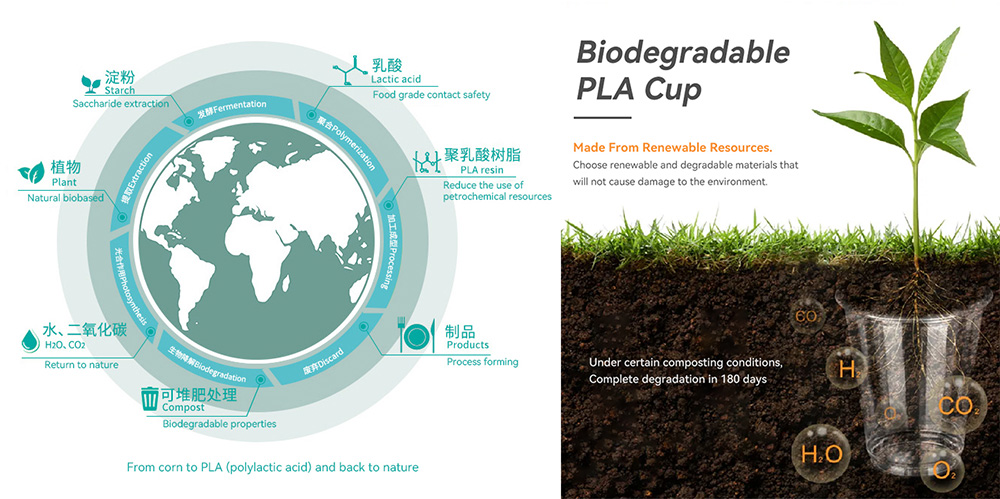
In recent years, the demand for eco-friendly packaging solutions has soared. With growing concerns over plastic pollution and the environmental impact of non-recyclable plastics, biodegradable clear cups have emerged as an alternative. These cups are often made from PLA (polylactic acid), a biodegradable plastic derived from renewable plant-based sources such as cornstarch and sugarcane. As businesses and consumers alike seek sustainable packaging options, the question arises: Can biodegradable clear cups be recycled?
This article explores the challenges and possibilities surrounding the recycling of biodegradable cups, particularly those made from PLA, and compares them to conventional plastics like PET and PP. We will also examine the benefits of composting these cups and look into specialized recycling programs. Furthermore, we’ll address frequently asked questions and explore the future of biodegradable packaging in the context of global sustainability efforts.
Section 1: Understanding Biodegradable Cups
1.1 What are Biodegradable Cups?
Biodegradable cups are typically made from materials that break down naturally over time when exposed to environmental conditions such as moisture, heat, and bacteria. PLA cups, in particular, are made from renewable plant-based resources, unlike traditional petroleum-based plastics.
Key Benefits of PLA Cups:
Renewable Resources: PLA is derived from corn starch or sugarcane, reducing reliance on fossil fuels.
Compostable: PLA cups can break down under the right conditions, turning into natural substances like carbon dioxide and water.
Non-toxic: PLA is a non-toxic material, making it safer for food contact compared to petroleum-based plastics.
While PLA cups offer significant advantages over traditional plastic, they are not the same as recyclable plastics like PET and PP.
1.2 Benefits of Biodegradable Cups
PLA cups have gained popularity for their environmentally friendly characteristics. Some of the key benefits include:
Reduced Carbon Footprint: PLA production generates lower carbon emissions than traditional plastic.
Compostable: PLA cups decompose naturally, reducing waste accumulation in landfills.
Sustainable: PLA uses renewable plant resources, unlike petroleum-based plastics which contribute to fossil fuel depletion.
The rise in demand for biodegradable packaging has prompted many businesses, particularly in the foodservice industry, to opt for PLA as a sustainable alternative to traditional plastic cups.
1.3 The Role of PLA in the Packaging Industry
PLA has become an important player in the packaging industry due to its ability to replace petroleum-based plastics with a more sustainable option. In the foodservice sector, PLA cups are often used for cold beverages, offering a biodegradable solution for single-use plastic cups. However, composting PLA cups requires the right conditions, which raises questions about their ultimate disposal.
Section 2: Recycling Process for Biodegradable Cups
2.1 Can Biodegradable Cups Be Recycled?
The simple answer is: No, biodegradable cups cannot be recycled with PET or PP plastics. PLA is a biodegradable plastic, but this does not mean it behaves like traditional recyclable plastics. The recycling process for PLA is different from other plastics, and mixing it with PET or PP in recycling streams can contaminate the entire batch, making it non-recyclable.
Why PLA Cups Cannot Be Recycled with PET or PP:
Different Chemical Structures: PLA and traditional plastics like PET and PP have distinct molecular structures. Recycling processes are designed to handle specific types of plastics, and mixing them leads to contamination.
Different Melt Points: PLA melts at a lower temperature compared to PET and PP, making it incompatible with conventional recycling processes used for other plastics.
Moreover, PLA recycling requires specialized facilities equipped to handle the material, which are not widely available, especially in curbside collection programs.
2.2 Challenges in Recycling PLA
Recycling PLA presents several challenges that hinder its widespread adoption in recycling programs:
Lack of Infrastructure: There are few facilities worldwide that can effectively recycle PLA, and curbside recycling programs typically do not accept it.
Contamination: PLA products can easily contaminate PET or PP recycling streams, which are already in high demand. As a result, the recycling process becomes less efficient and, in many cases, completely unviable.
Economic Feasibility: Setting up specialized PLA recycling facilities can be costly, and many municipalities may not find it economically feasible to invest in such infrastructure, especially when PET and PP remain more widely used and accepted.
Section 3: Composting Biodegradable Cups
3.1 The Composting Process
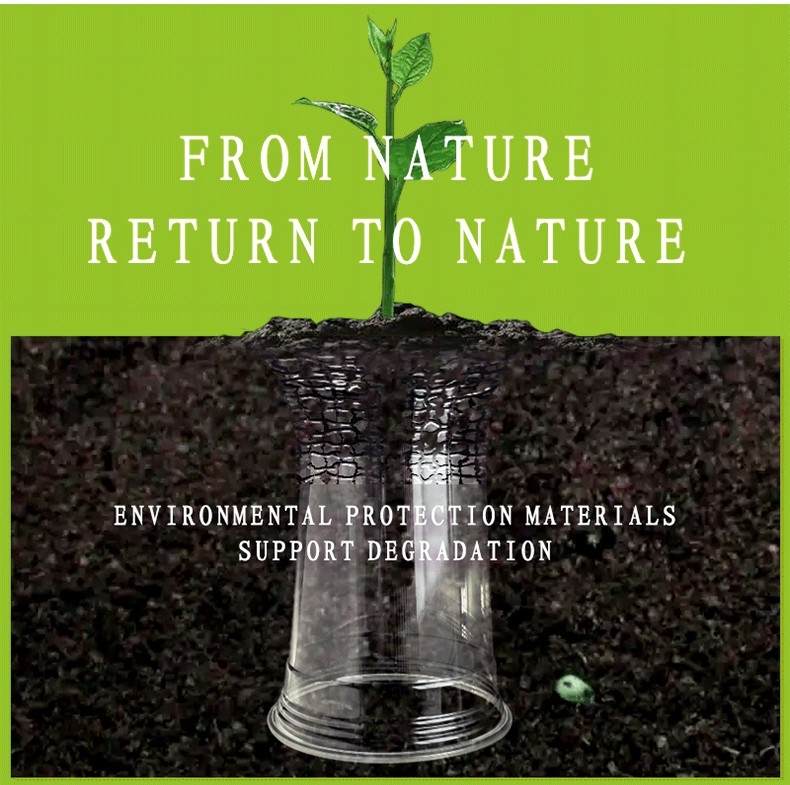
While recycling may not be a practical option for PLA cups, composting offers an alternative. Composting is the natural process of decomposing organic materials like food waste, yard clippings, and biodegradable plastics in a controlled environment. PLA cups are designed to break down into carbon dioxide, water, and organic matter under industrial composting conditions.
For PLA to compost properly, it must be placed in industrial composting facilities that maintain high temperatures (typically between 130°F and 160°F). Under these conditions, PLA breaks down within 90 to 180 days.
Data Table 1: Composting Process for PLA Cups
| Condition | Industrial Composting | Home Composting |
|---|---|---|
| Temperature | 130°F – 160°F (54°C – 71°C) | 60°F – 80°F (16°C – 27°C) |
| Time to Decompose | 90 – 180 days | 1 – 2 years |
| Moisture Requirements | High moisture required | High moisture required |
| Equipment Needed | Composting facility | Home compost bin |
As shown in Data Table 1, industrial composting offers the optimal conditions for PLA breakdown, whereas home composting does not provide the necessary temperature and moisture for PLA to decompose in a reasonable time frame.
3.2 Is PLA Compostable in Home Composting?
Home composting of PLA cups is generally not recommended due to the temperature and moisture conditions required for decomposition. While PLA is technically compostable, it requires higher temperatures than what is typically achievable in home composting systems. Without these conditions, PLA takes much longer to decompose, and may even take years in a home composting environment. Furthermore, home composting may not reach the required moisture levels to break down PLA.
For home composting to work, it would require an environment capable of sustaining temperatures upwards of 140°F, which is difficult to achieve without industrial composting equipment.
3.3 Compostable Cup Certifications
For a PLA cup to be truly compostable, it must meet specific certification standards. One of the most recognized certifications is the OK Compost certification, which ensures that the product will break down within a specified period when exposed to industrial composting conditions. Another common certification is the BPI (Biodegradable Products Institute) certification.
These certifications are vital to ensuring that PLA cups are disposed of correctly and can decompose properly at composting facilities.
Section 4: Specialized Recycling Programs for PLA
4.1 Emerging PLA Recycling Programs
While widespread recycling of PLA is not yet a reality, several specialized programs are emerging around the world:
Closed-loop recycling systems: Some companies and countries are testing closed-loop systems that recycle PLA into new PLA products.
Recycling Programs in Europe: Several European countries have established initiatives to recycle PLA, including Germany and France. These programs typically focus on industrial PLA recycling and are part of broader sustainability efforts.
In these regions, PLA products are separated from other plastics during the recycling process, ensuring that they don’t contaminate other materials.
4.2 The Future of PLA Recycling
The future of PLA recycling looks promising, but it faces challenges. Innovation in recycling technology could make it easier to recycle PLA at scale. Some companies are working on chemical recycling methods that break down PLA into its base monomers for reuse in new PLA products.
Section 5: Comparing PLA to Other Biodegradable Materials
5.1 Other Biodegradable Packaging Materials
PLA is not the only biodegradable material used for food packaging. Other materials, such as bagasse (made from sugarcane pulp) and starch-based plastics, are also gaining popularity. While these materials are compostable, they each have unique benefits and challenges compared to PLA:
Bagasse: Offers a similar eco-friendly alternative to PLA, but it’s generally used in containers and trays rather than cups.
Starch-based Plastics: Made from corn or potatoes, these plastics are also biodegradable but tend to be more fragile than PLA.
5.2 PLA vs. PET/PP Packaging
PLA is often marketed as a sustainable alternative to PET and PP. While PLA is compostable, PET and PP are highly recyclable, making them more suitable for closed-loop recycling systems. However, PLA offers a more environmentally friendly end-of-life option if disposed of in the right conditions.
Section 6: Real-World Applications and Case Studies
6.1 Case Study 1: PLA Cups in Foodservice
Many foodservice companies are transitioning to PLA cups as part of their sustainability efforts. For example, several large coffee chains have replaced their plastic cups with biodegradable PLA cups, citing reduced environmental impact as a key reason for the switch. However, these companies face challenges related to waste disposal, as the cups often end up in landfills when not composted properly.
6.2 Case Study 2: Specialized PLA Recycling in Europe
In parts of Europe, countries have implemented dedicated PLA recycling streams. Germany has developed a system where PLA cups are collected separately and sent to industrial composting or recycling facilities. This specialized recycling infrastructure is a model for other countries looking to tackle PLA waste.
Section 7: FAQs
1. Can PLA cups be recycled with other plastics?
No, PLA cups cannot be recycled with PET or PP because of their different chemical structures.
2. What happens to biodegradable cups in a landfill?
PLA cups can take years to break down in a landfill, as they need specific conditions (like high temperatures) to compost effectively.
3. Can biodegradable cups be composted at home?
Home composting of PLA cups is not recommended due to the temperature and moisture conditions required for decomposition.
4. What is the difference between biodegradable and compostable?
Biodegradable means a material will break down over time, but compostable materials break down into non-toxic components in a specific timeframe.
5. How long does it take for PLA cups to break down?
Under industrial composting conditions, PLA cups can break down within 90 to 180 days.
6. Where can I find recycling programs for PLA cups?
Some specialized recycling programs for PLA are available in parts of Europe and certain U.S. cities. You can check with local waste management services to find out if PLA is accepted.
7. Are PLA cups a better choice than plastic cups for the environment?
PLA cups are a better choice when it comes to composting, but they still require proper disposal infrastructure. Traditional plastic cups are recyclable but take hundreds of years to break down in landfills.
Conclusion
As the world continues to tackle the growing waste crisis, biodegradable clear cups made from PLA provide an attractive alternative to traditional plastic cups. However, the recycling challenges faced by PLA are significant. Composting offers a viable solution, but only when proper infrastructure is in place. The future of PLA recycling hinges on technological innovations and global efforts to improve waste management systems.
References
European Bioplastics:
BPI Certification
PLA Recycling Technologies
Composting Guidelines
Plastic Recycling and Waste Management
Copyright Statement
© 2025 Dashan Packing. All rights reserved.
This article is an original work created by the Dashan Packing editorial team.
All text, data, and images are the result of our independent research, industry experience,
and product development insights. Reproduction or redistribution of any part of this content
without written permission is strictly prohibited.
Dashan Packing is committed to providing accurate, evidence-based information and
to upholding transparency, originality, and compliance with global intellectual property standards.


评论
发表评论