Overcoming the Costs of Sustainable Packaging: A Guide for Businesses in the Modern World

Quick Summary
This article discusses how businesses can manage the costs of sustainable packaging by investing in technology, collaborating with suppliers, and optimizing production. It highlights how Xiamen Dashan offers cost-effective, eco-friendly packaging solutions, enabling companies to meet consumer demand for sustainability while reducing long-term packaging costs.
Introduction
Sustainable packaging is increasingly becoming a priority for businesses worldwide. With growing consumer demand for eco-friendly solutions and stricter environmental regulations, companies are faced with the challenge of adopting sustainable practices while managing the cost implications. This article explores how companies can overcome the financial hurdles of sustainable packaging and how Xiamen Dashan is leading the way with cost-effective, sustainable packaging solutions. We will delve into the strategies businesses can use to reduce costs, real-world case studies, and provide insights on cost-effective sustainable packaging practices.
1. The Growing Importance of Sustainable Packaging
Consumer Demand: Recent surveys show that over 60% of consumers are willing to pay a premium for products packaged in eco-friendly materials. As environmental awareness rises, businesses are compelled to adapt to these changes to meet consumer expectations.
Regulatory Pressures: Governments globally are rolling out stricter laws targeting plastic waste reduction and encouraging the adoption of sustainable packaging materials. For instance, the EU’s ban on single-use plastics has accelerated demand for alternatives such as PLA(Jump to PLA product page), RPET(You can jump to the RPET product page), and bagasse(Jump to the Sugarcane Bagasse Packaging Products Page).
Brand Image and Marketability: The rise in conscious consumerism means businesses adopting green packaging are seen more favorably, which leads to enhanced brand reputation, customer loyalty, and potential market share growth.
2. The High Initial Costs of Sustainable Packaging
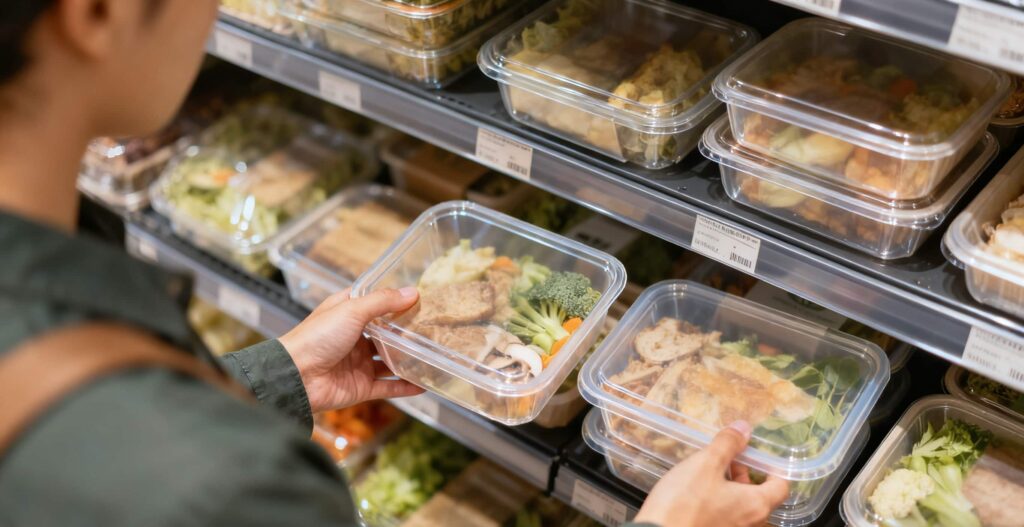
Transitioning from conventional packaging to sustainable packaging may require businesses to navigate higher initial costs. This includes:
Material Costs: Sustainable materials like PLA, RPET, and sugarcane bagasse can be more expensive than traditional plastic. For example, RPET costs are generally higher due to the extra processing required to recycle post-consumer plastic waste into reusable materials.
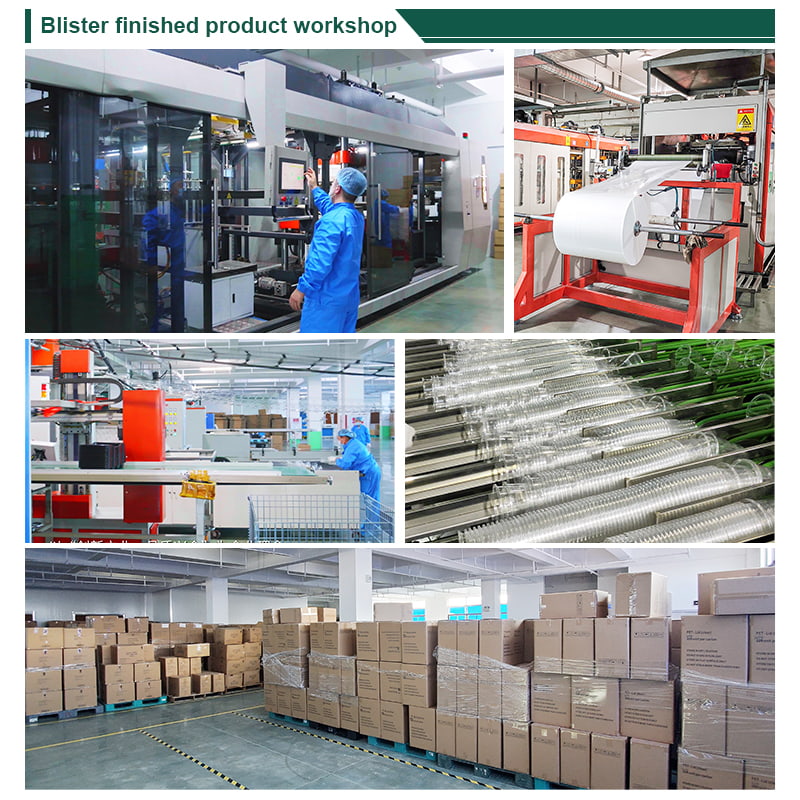
Production Adjustments: Businesses must often invest in new machinery or modify existing production lines to handle biodegradable materials and sustainable packaging designs, resulting in additional capital expenditure.
Supply Chain Integration: Sourcing sustainable materials from reliable suppliers can often come with higher logistical and transportation costs. This includes minimum order quantities (MOQs) for sustainable materials, which can add a financial burden.
3. Strategies for Overcoming the High Costs of Sustainable Packaging
a. Investing in Innovative Technologies
Automation and Efficiency: Investing in automated production lines can significantly reduce labor costs while enhancing packaging efficiency. Automation leads to better precision, faster production rates, and the minimization of material wastage.
Advanced Recycling Processes: Closed-loop recycling technologies can bring the costs of RPET and similar materials down by making recycling more efficient and cost-effective. Companies can process used materials and reuse them in new packaging without relying on virgin plastics.
Data-Driven Decisions: The use of data analytics to optimize the design and production of packaging helps reduce material waste, thus cutting costs. By understanding how much material is wasted in production, businesses can tailor their processes to be more resource-efficient.
b. Collaboration with Packaging Suppliers
Building Partnerships: Partnering with sustainable packaging suppliers like Xiamen Dashan allows businesses to leverage expertise in cost-effective packaging solutions. Dashan’s wide range of customizable packaging options helps reduce costs through more efficient designs and tailored solutions.
Bulk Purchasing: Companies can negotiate better prices for sustainable materials by purchasing in bulk. Dashan offers competitive pricing on materials like PLA, RPET, and CPET(Jump to CPET Packaging Products Page), reducing costs for businesses while maintaining high quality.
c. Optimizing Production Processes
Lean Manufacturing: By incorporating lean principles into manufacturing, businesses can eliminate waste and reduce production time. This results in cost savings that help balance the higher costs of sustainable materials.
Material Substitution: Switching to alternative sustainable materials that are cost-effective, like sugarcane bagasse or compostable packaging, can lower overall production costs while ensuring environmental benefits.
d. Focusing on Long-Term Cost Savings
Energy Efficiency: Investing in energy-efficient machinery and optimizing energy consumption can significantly reduce operational costs. By lowering energy consumption, companies can offset higher packaging costs.
Reusability and Durability: By designing reusable packaging that serves multiple purposes (e.g., stackable containers for the foodservice industry), businesses can reduce their total packaging spend in the long run.
Brand Loyalty and Consumer Willingness: Studies show that consumers are more likely to return to brands that prioritize sustainability, leading to higher sales and revenue. Sustainable packaging can also be an essential part of a brand story, which helps drive market value.
4. How Xiamen Dashan Overcomes the Costs of Sustainable Packaging
Innovation: Xiamen Dashan is at the forefront of innovative packaging solutions, using advanced manufacturing processes to reduce costs and maintain the integrity of eco-friendly packaging. By utilizing sustainable materials like RPET, PLA, and sugarcane bagasse, Dashan ensures its products are both cost-effective and environmentally responsible.
Customization: Dashan offers a range of customizable packaging options for various industries, including PET food packaging, PLA cups, and multi-compartment trays, ensuring that businesses only pay for what they need and minimize waste.
Efficient Logistics: Dashan’s global supply chain network allows for bulk ordering and optimized logistics, which significantly reduces shipping costs and helps clients save money.
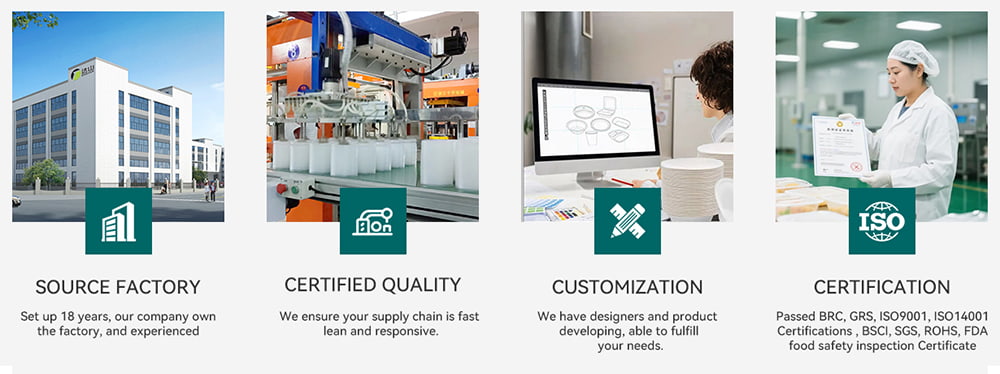
Sustainability Certifications(Details of the certificates owned by Dashan can be found in this article Certifications That Back Our Quality and Sustainability): Dashan adheres to international standards such as ISO 14001, which ensures that all products are sustainably sourced and that packaging solutions meet the environmental criteria of global markets.
5. Real-Life Case Studies and Data Analysis
Case Study 1: Reducing Carbon Footprint with RPET Packaging
A major international retailer partnered with Xiamen Dashan to implement RPET packaging for their products. The results were significant:
Table: CO2 Emission Reduction from RPET Usage
| Material Used | CO2 Emissions (kg) | Cost per Unit | Total Emissions Savings |
|---|---|---|---|
| RPET | 4.5 | $0.50 | 15,000 kg CO2/year |
| Conventional Plastic | 10.2 | $0.30 | N/A |
As seen in the table, switching to RPET resulted in a reduction in CO2 emissions, which contributed to both the retailer’s sustainability goals and their cost-saving strategy.
Case Study 2: PLA Cups for Cold Beverages
In collaboration with Xiamen Dashan, a beverage company shifted from plastic cups to PLA cups for their cold drinks. The transition, while costing more upfront, led to long-term savings due to the biodegradability of PLA and reduced waste management costs.
Table: Comparison of PLA vs. Plastic Cups
| Cup Type | Material Cost | Durability | Environmental Impact | Waste Reduction |
|---|---|---|---|---|
| PLA Cups | $0.15 | Medium | Biodegradable | 50% |
| Plastic Cups | $0.08 | High | Non-biodegradable | N/A |
6. Overcoming Barriers to Adoption of Sustainable Packaging
While the benefits of sustainable packaging are clear, businesses must address several barriers to ensure successful adoption:
Consumer Education: Educating consumers about the importance of eco-friendly packaging can encourage more people to support companies that use sustainable packaging. By explaining the environmental benefits and showing the long-term cost savings, businesses can increase customer loyalty.
Supply Chain Challenges: Supply chain optimization is crucial for ensuring that sustainable packaging is consistently available. Companies must work closely with reliable suppliers like Dashan to ensure a stable supply of materials like PLA, RPET, and sugarcane bagasse.
Cost vs. Benefit Analysis: Businesses must consider both the financial benefits and environmental impact when choosing packaging solutions. A comprehensive cost-benefit analysis that considers material savings, regulatory compliance, and brand equity will provide a clearer picture of the long-term gains from sustainable packaging.

7. FAQs
What are the most cost-effective sustainable packaging materials?
RPET and PLA are among the most cost-effective alternatives to traditional plastic, offering a balance between environmental benefits and cost-effectiveness.
How can businesses justify the higher costs of sustainable packaging?
Businesses can justify the higher costs by highlighting long-term savings, including reduced waste management costs, enhanced brand loyalty, and potential market growth.
What are the main challenges in adopting sustainable packaging?
The primary challenges include higher upfront costs, adjusting production processes, and ensuring the availability of sustainable materials in the supply chain.
How can packaging suppliers help reduce costs?
Suppliers like Xiamen Dashan offer bulk pricing, efficient packaging solutions, and customizable designs, which help reduce material waste and lower costs for businesses.
Is sustainable packaging always more expensive?
Not always. While initial costs may be higher, the long-term benefits in terms of energy savings, regulatory compliance, and increased consumer loyalty outweigh the initial investment.
How do energy efficiency and automation impact packaging costs?
Energy-efficient machinery and automation help lower operational costs by reducing energy consumption and labor costs.
Can sustainable packaging help companies meet regulatory requirements?
Yes, adopting sustainable packaging helps companies comply with evolving environmental regulations, reducing the risk of fines or non-compliance.
8. Conclusion
Adopting sustainable packaging is not just a trend, but a necessity for businesses aiming to stay competitive in the modern market. Although initial costs may be higher, the long-term savings, improved brand image, and consumer demand for eco-friendly solutions make the transition worthwhile. With companies like Xiamen Dashan leading the way in offering affordable, sustainable packaging solutions, businesses can confidently invest in the future of packaging.
References
Sustainable Packaging Materials: RPET vs PLA
Case Studies on Sustainable Packaging Solutions
The Environmental Benefits of Sustainable Packaging
Copyright Statement
© 2025 Dashan Packing. All rights reserved.
This article is an original work created by the Dashan Packing editorial team.
All text, data, and images are the result of our independent research, industry experience,
and product development insights. Reproduction or redistribution of any part of this content
without written permission is strictly prohibited.
Dashan Packing is committed to providing accurate, evidence-based information and
to upholding transparency, originality, and compliance with global intellectual property standards.


评论
发表评论