Plastic Pollution and the Packaging Industry’s Responsibility: How Dashan Is Leading the Way in Sustainable Packaging Solutions

Introduction
Plastic pollution is one of the most pressing environmental challenges of the modern era. Millions of tons of plastic waste are dumped into the oceans every year, severely impacting marine ecosystems and threatening biodiversity. As a key player in the packaging industry, Dashan recognizes the critical need for sustainable packaging solutions that reduce plastic waste while ensuring food safety and performance. This article explores the plastic pollution crisis, the packaging industry’s role in the problem, and how Dashan is stepping up with innovative, eco-friendly packaging solutions.
1. Understanding the Plastic Pollution Crisis
Plastic waste has become ubiquitous, with significant environmental consequences. According to the United Nations, by 2050, there could be more plastic in the oceans than fish, by weight. This alarming statistic is attributed to the widespread use of single-use plastics, which account for a large portion of oceanic plastic pollution.
Statistics on Plastic Pollution: Over 8 million tons of plastic enter the oceans annually, and plastic packaging contributes nearly 40% of global plastic production. This massive increase in plastic waste is having devastating effects on wildlife, marine life, and ecosystems.
Plastic’s Environmental Impact: Plastics, especially those used in packaging, can take hundreds of years to decompose. During this time, plastics fragment into microplastics, which are consumed by marine life, entering the food chain and causing significant health risks.
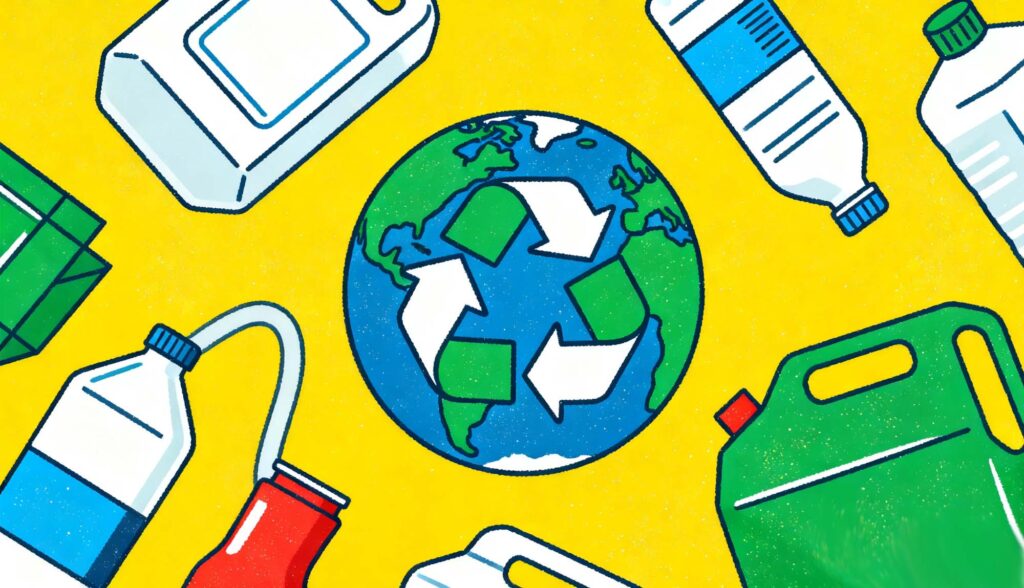
2. The Role of Packaging in the Plastic Waste Crisis
Packaging is essential in modern society, especially for food safety, but it is also one of the largest contributors to plastic pollution. Single-use plastic packaging like plastic bottles, bags, and cups has become a staple in the foodservice industry, but its environmental impact is undeniable.
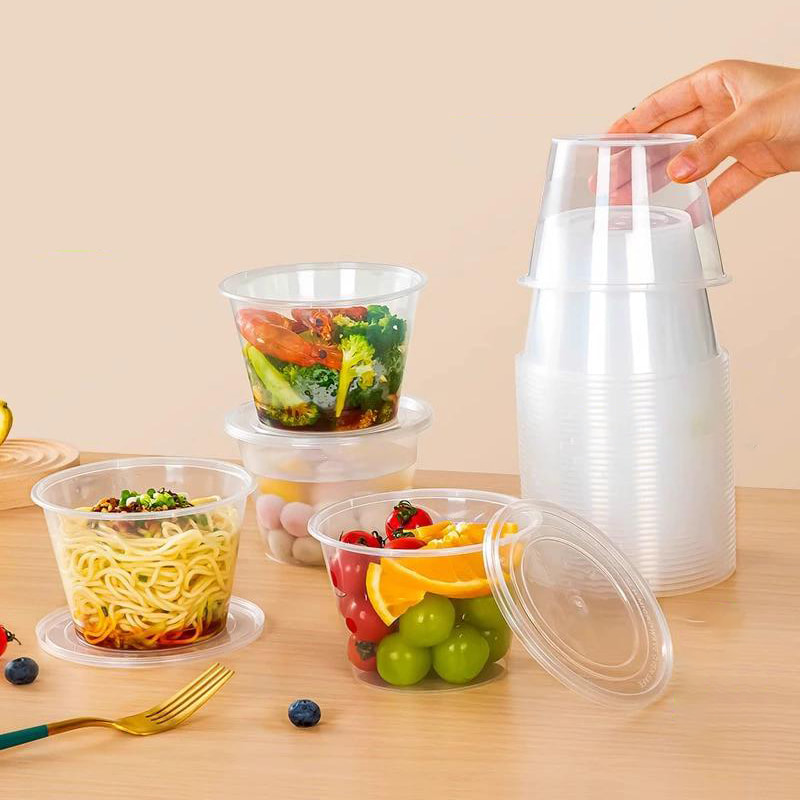
Plastic Packaging and Its Environmental Footprint: Common packaging materials like PET, PLA, CPET, and PP are often not biodegradable, contributing to long-lasting waste. For instance, PET (Polyethylene Terephthalate) is commonly used for beverage bottles, while PLA (Polylactic Acid) is often used for cups, bowls, and food containers. These materials take years to break down, filling landfills and polluting oceans.
Consumer Behavior and Packaging: Consumer demand for convenient, ready-to-use food packaging drives the use of disposable plastic packaging. However, many consumers are unaware of the environmental impact of the packaging their food comes in, leading to a “take-and-throw-away” culture that exacerbates plastic waste.
3. Industry Responsibility: The Call for Change
The packaging industry is under increasing scrutiny to address plastic pollution, given its significant role in the crisis. There is a growing consensus that the industry must adopt more sustainable practices, from switching to biodegradable materials to improving recycling efforts.
Adopting Sustainable Packaging Solutions: The need for alternative materials is clear. The packaging industry is increasingly turning to compostable materials such as PLA, sugarcane bagasse, and RPET (recycled PET) to reduce plastic waste. These materials decompose more easily than traditional plastics and offer eco-friendly options that still provide the durability and functionality required for food packaging.
The Role of Regulations: Governments worldwide are beginning to implement regulations aimed at reducing plastic waste. Policies such as plastic bans, extended producer responsibility (EPR) programs, and recycling targets are pushing the packaging industry to innovate and adopt more sustainable solutions.
4. Dashan’s Commitment to Sustainable Packaging
At Dashan, sustainability is at the core of everything we do. We recognize that the packaging industry plays a key role in addressing plastic pollution, and we are committed to providing packaging solutions that minimize environmental impact without compromising on performance or food safety.
Materials Innovation: We offer a wide range of sustainable materials such as PET, RPET, CPET, and PLA. These materials are designed to be both functional and environmentally friendly. For example, RPET is made from recycled plastic bottles, reducing the need for virgin plastics and giving old plastics a second life.
Customizable Packaging Solutions: Dashan provides customizable packaging that meets the unique needs of the foodservice and retail industries. Our packaging solutions can be tailored to specific sizes, shapes, and designs, ensuring both sustainability and functionality. We also offer embossing and printing options that allow businesses to showcase their branding while reducing waste.
Focus on Durability and Performance: While we prioritize eco-friendly materials, we also ensure that our packaging solutions maintain high levels of performance. Our products, such as PET food containers and PLA cups, offer excellent durability, heat resistance, and food safety, making them ideal for a wide range of applications, from salads to hot beverages.
5. Tackling the Challenge of Recycling and Waste Management
Recycling plays a crucial role in reducing plastic pollution. However, many packaging materials, especially those used in food packaging, are not easily recyclable due to contamination or the complexity of the material itself.
Closed-loop Recycling and Circular Economy: Dashan actively supports the development of closed-loop recycling systems, where packaging materials are reused in a continuous cycle. By using RPET, we help reduce the amount of plastic waste that ends up in landfills and oceans.
Recycling Challenges in the Food Packaging Industry: Food packaging is often contaminated by food residues, making it difficult to recycle. However, we are working closely with recycling organizations to improve collection and sorting methods, as well as encouraging consumers to participate in recycling programs.
6. Reducing Single-Use Plastics in Food Packaging
Single-use plastics, particularly in the food packaging sector, are a significant source of waste. These products are designed for short-term use but have long-term environmental consequences.
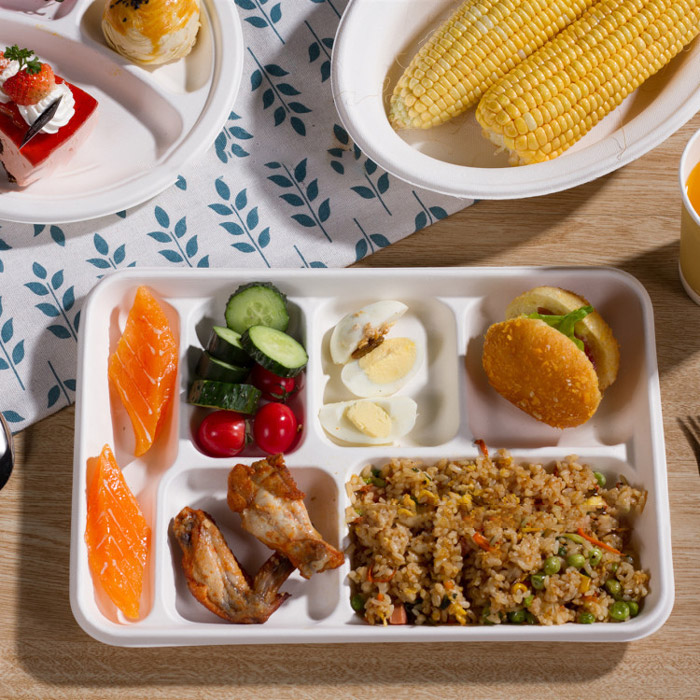
Sustainable Alternatives to Single-Use Plastics: Dashan is committed to providing sustainable alternatives to single-use plastics. For example, our PLA cups and cornstarch-based trays offer biodegradable alternatives to traditional plastic packaging. These solutions break down faster in composting environments, significantly reducing their environmental impact.
Innovative Solutions for Single-Use Packaging: Emerging trends in the packaging industry include compostable packaging and edible packaging, which Dashan is exploring to further reduce waste. These innovations provide a glimpse into the future of packaging, where sustainability and convenience are seamlessly integrated.
7. The Business Case for Sustainable Packaging
Adopting sustainable packaging solutions not only benefits the environment but also presents significant business opportunities. As consumers become more environmentally conscious, businesses that embrace sustainability will gain a competitive edge.
Consumer Demand for Eco-Friendly Packaging: More and more consumers are choosing brands that prioritize sustainability in their packaging. A 2020 study found that 73% of consumers are willing to pay more for products with sustainable packaging. By offering eco-friendly packaging, businesses can tap into this growing market demand.
Cost-Effectiveness of Sustainable Packaging: While sustainable packaging may initially seem more expensive, in the long term, it can reduce costs associated with waste disposal, regulatory compliance, and consumer backlash. Furthermore, sustainable packaging enhances brand loyalty and attracts eco-conscious consumers.
8. Future Trends in Sustainable Packaging
The future of packaging is increasingly focused on sustainability, with new innovations continually emerging. As technology advances, Dashan is committed to staying at the forefront of these trends, ensuring that we provide our customers with the most sustainable solutions available.
Bioplastics and Advanced Packaging Solutions: Future trends include the development of biodegradable plastics, edible packaging, and smart packaging that can monitor food freshness. These innovations have the potential to revolutionize the packaging industry and offer even more sustainable options for foodservice businesses.
The Role of AI and Automation in Packaging: The use of artificial intelligence and automation in the packaging process will play a key role in improving sustainability. These technologies can optimize packaging design, reduce waste, and improve efficiency, leading to more sustainable production processes.
9. How Dashan Is Leading the Way Forward
As we look to the future, Dashan is committed to continuous innovation and improvement in the realm of sustainable packaging. Our R&D efforts focus on developing new materials, improving recycling methods, and reducing the environmental impact of our packaging solutions.
Ongoing Research and Development: We invest heavily in R&D to explore new, eco-friendly materials and improve the recyclability of our packaging products. Our goal is to create packaging solutions that not only meet the needs of our customers but also contribute to a cleaner, greener world.
Collaboration with Industry Stakeholders: Dashan works closely with industry partners, environmental organizations, and policy-makers to drive sustainability in the packaging industry. By collaborating with others, we can help create a more sustainable future for everyone.
Conclusion
The packaging industry plays a critical role in addressing the global plastic pollution crisis. By adopting sustainable packaging solutions, improving recycling systems, and reducing single-use plastics, the industry can make a significant impact in reducing environmental harm. Dashan is proud to be part of this solution, offering innovative, eco-friendly packaging that supports both businesses and the planet.
FAQ
What is plastic pollution, and why is it a problem?
Plastic pollution refers to the accumulation of plastic waste in the environment, particularly in the oceans, where it harms wildlife and ecosystems. It poses long-term environmental risks, including contamination of water sources, harm to marine life, and microplastic ingestion.How does Dashan contribute to sustainability?
Dashan is committed to providing eco-friendly packaging solutions made from materials like PLA, RPET, and sugarcane bagasse. These materials are biodegradable and recyclable, significantly reducing the environmental impact of food packaging.What are the environmental benefits of switching to sustainable packaging?
Sustainable packaging helps reduce waste, minimize carbon emissions, and protect natural resources. It also reduces the need for virgin plastic, encouraging the use of recycled materials, and improves the overall sustainability of the packaging lifecycle.Can biodegradable packaging completely replace plastic?
While biodegradable packaging offers an environmentally friendly alternative, it is not a one-size-fits-all solution. The effectiveness of biodegradable packaging depends on factors like the disposal environment and the specific product application.Why is closed-loop recycling important in packaging?
Closed-loop recycling allows materials to be reused continuously, reducing the need for virgin resources and minimizing waste. It helps create a circular economy, where materials are constantly recycled and reintroduced into production.
References
United Nations Environment Programme (UNEP). (2020). Single-Use Plastics: A Roadmap for Sustainability.
Ellen MacArthur Foundation. (2016). The New Plastics Economy: Rethinking the Future of Plastics.
PlasticsEurope. (2019). Plastics – The Facts 2019: An analysis of European plastics production, demand and waste.
Greenpeace. (2020). The Plastic Polluter: How the Plastic Industry is Failing to Address the Crisis.
World Economic Forum. (2018). The New Plastics Economy: Rethinking the Future of Plastics.
Copyright Statement
© 2025 Dashan Packing. All rights reserved.
This article is an original work created by the Dashan Packing editorial team.
All text, data, and images are the result of our independent research, industry experience,
and product development insights. Reproduction or redistribution of any part of this content
without written permission is strictly prohibited.
Dashan Packing is committed to providing accurate, evidence-based information and
to upholding transparency, originality, and compliance with global intellectual property standards.


评论
发表评论