Practical Applications of PLA, PET, and RPET Cups in Cafes: Sustainability, Benefits, and Real-World Cases

Introduction: Understanding Eco-Friendly Cups in the Café Industry
In recent years, the demand for eco-friendly products has surged, especially in industries like foodservice. Cafes, where beverages are served in single-use containers, face the challenge of balancing convenience with environmental responsibility. As sustainability becomes increasingly important to consumers, cafes are looking for alternatives to traditional plastic cups.
This article explores the role of PLA (Polylactic Acid), PET (Polyethylene Terephthalate), and RPET (Recycled Polyethylene Terephthalate) cups in cafes, with a focus on their practical applications, sustainability benefits, and how Dashan, a leading manufacturer in high-quality food plastic packaging, provides innovative, eco-friendly solutions.

1. The Rise of Sustainable Packaging in Cafes
Why Sustainability Matters
Sustainability is no longer just a buzzword—it’s a core value that defines modern businesses. Consumers today are more aware of their environmental impact and are making conscious decisions to support brands that prioritize sustainability. This is especially true in the foodservice industry, where disposable products like cups contribute to significant waste.
The café industry, in particular, has been under pressure to reduce its environmental footprint. Cafes use billions of disposable cups annually, contributing to the global plastic pollution crisis. Shifting to eco-friendly alternatives like PLA, PET, and RPET cups can help cafes reduce waste, conserve resources, and meet the growing consumer demand for sustainable products.
The Need for Alternative Materials
Traditional plastic cups, often made from polystyrene (PS) or polypropylene (PP), are problematic due to their non-biodegradable nature. These cups take hundreds of years to decompose and often end up in landfills or the ocean. As a result, cafes are turning to materials that are either biodegradable, compostable, or recyclable—such as PLA, PET, and RPET—to meet both environmental and customer expectations.
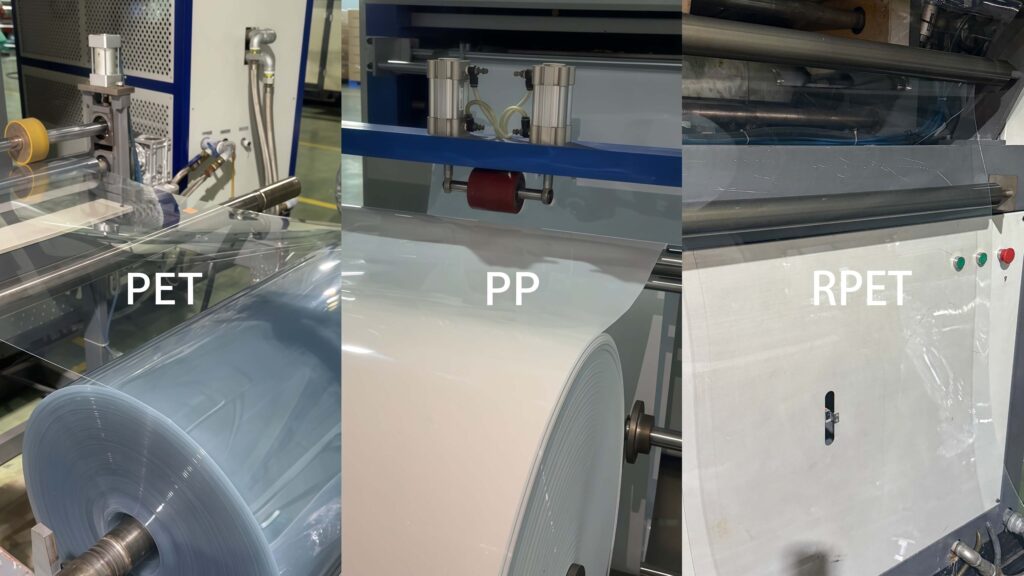
2. PLA Cups: The Eco-Friendly Choice
What is PLA?
PLA is a biodegradable and compostable material made from renewable resources like cornstarch, sugarcane, or cassava. It is an alternative to petroleum-based plastics and is known for its environmentally friendly properties. Unlike traditional plastic, PLA breaks down into natural components when exposed to industrial composting conditions, making it an excellent choice for cafes committed to sustainability.
Applications of PLA Cups in Cafes
PLA cups are ideal for cold beverages, including iced coffee, smoothies, fresh juices, and bubble tea. Their lightweight nature and transparency make them visually appealing for beverages that require customer interaction or promotion. The biodegradability of PLA also makes them an attractive option for customers looking for eco-friendly alternatives.
Cold Beverages
The primary use for PLA cups in cafes is serving cold beverages. Because PLA is not suited for hot liquids (it has a lower heat resistance compared to PET or RPET), its use is limited to cold drinks. However, the material offers a unique selling point for beverages like iced coffee, cold brew, and smoothies, where sustainability can be a key marketing advantage.
Customization Options
Cafes can customize PLA cups with logos, promotional messages, and custom prints, further enhancing the branding opportunity. PLA cups are available in various sizes—from small 8oz cups for juice to large 16oz cups for iced coffee.
Consumer Appeal
Consumers today are more aware of the environmental implications of their purchasing decisions. Using PLA cups allows cafes to position themselves as environmentally conscious, which can attract a loyal customer base who values sustainability.
Real-World Case: Café X’s Transition to PLA Cups
Café X, a popular coffee chain in California, made the decision to switch from traditional plastic cups to PLA cups for their iced beverages. After a three-month trial, the company reported an increase in customer satisfaction, with 75% of patrons approving of the change. Not only did this transition reduce the company’s carbon footprint, but it also helped to solidify Café X’s brand as eco-conscious and sustainable. They were able to differentiate themselves from competitors by emphasizing their commitment to using compostable and biodegradable materials.
3. PET Cups: Durability and Transparency
What is PET?
PET (Polyethylene Terephthalate) is one of the most widely used plastics in food and beverage packaging due to its clarity, strength, and recyclability. It is typically used for both hot and cold drinks because of its high heat resistance. PET cups are clear and provide a sleek, attractive presentation, which is important for beverages like lattes and iced teas, where visual appeal matters.
Unlike PLA, PET is not biodegradable, but it is 100% recyclable, making it a sustainable option when used correctly. The recyclability of PET cups supports a circular economy and helps reduce the demand for virgin plastic.
Applications of PET Cups in Cafes
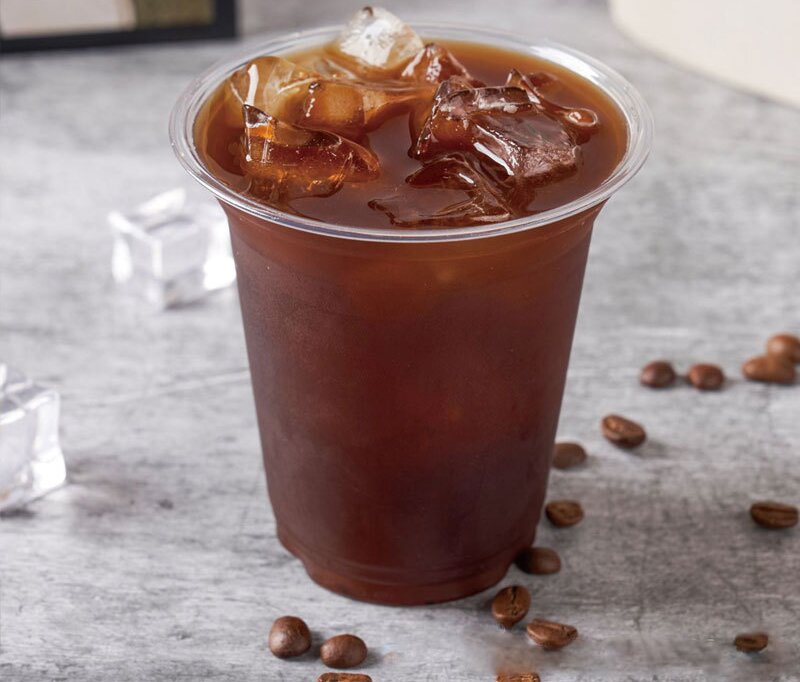
PET cups are used for both hot and cold beverages in cafes, making them versatile. For cold drinks like iced lattes, PET cups provide excellent durability and allow consumers to enjoy a clear view of the drink. For hot beverages, PET offers heat resistance, making it a preferred choice for take-out coffee cups.
Transparency and Visual Appeal
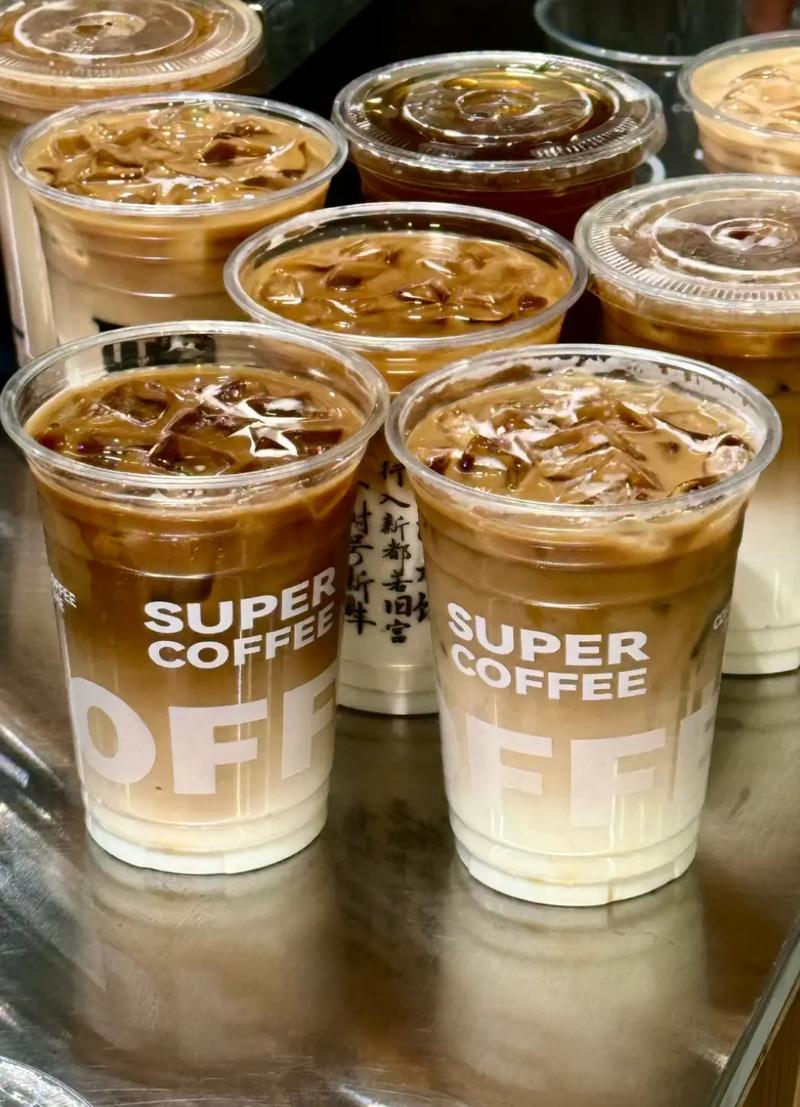
The transparency of PET cups is a significant selling point. Beverages like iced coffees, frappes, and bubble tea look more appealing in clear cups, and the material’s clarity makes it easy for customers to see the layers of their drinks. This visibility also plays into the growing trend of visually Instagrammable beverages, where the look of the drink is as important as the taste.
Customization
Like PLA cups, PET cups can be easily customized with logos, artwork, and branding. This feature allows cafes to differentiate themselves in a competitive market.
Real-World Case: Java Café’s Use of PET Cups
Java Café, a chain specializing in iced beverages, switched to PET cups for both their hot and cold drinks. The PET cups helped reduce operational costs due to their durability, as they were less prone to cracking or leaking. The customers appreciated the high-quality feel of the cups, and the clear plastic added to the appeal of their drinks. Java Café was also able to cut down on waste by implementing a recycling program for PET cups.
4. RPET Cups: Closed-Loop Sustainability
What is RPET?
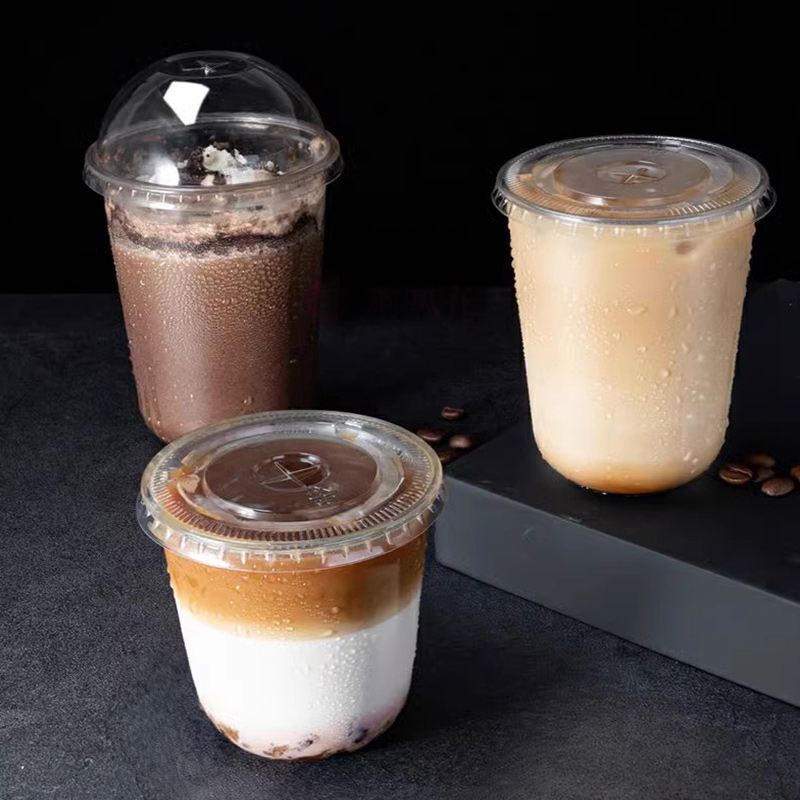
RPET (Recycled Polyethylene Terephthalate) is made from post-consumer recycled PET bottles, giving plastic a second life. RPET cups are essentially PET cups that have been recycled, reducing the need for virgin materials and supporting a circular economy. The material is both environmentally friendly and cost-effective, as it helps reduce the carbon footprint of packaging production.
Applications of RPET Cups in Cafes
RPET cups are used in a similar manner to PET cups, but with the added benefit of being made from recycled materials. These cups can be used for both hot and cold beverages, and they maintain the same level of strength, durability, and clarity.
Eco-Friendly Reusability
Since RPET is made from recycled material, it supports the idea of reusing and recycling, encouraging cafes to adopt a closed-loop system. By using RPET, cafes can significantly reduce their environmental impact by supporting the recycling industry.
Cost Efficiency
While RPET may have a slightly higher production cost than traditional PET, the material’s ability to be recycled and reused makes it a long-term cost-effective solution for cafes looking to minimize waste.
Real-World Case: Green Café’s RPET Initiative
Green Café, located in London, became one of the first cafes to introduce RPET cups as part of their sustainability strategy. They partnered with Dashan to provide RPET cups made from 100% recycled plastic. The move not only enhanced their environmental image but also helped them stand out in a competitive market. Green Café launched a campaign highlighting their use of RPET, which led to a 40% increase in customers who chose to support the café due to its sustainability efforts.
5. Benefits of Using PLA, PET, and RPET Cups in Cafes
Sustainability Benefits
PLA cups are compostable, reducing landfill waste.
PET and RPET cups are recyclable, supporting the circular economy and reducing reliance on virgin plastic.
All three materials help cafes meet the growing demand for sustainable packaging.
Operational Benefits
Cost-effective long-term investments, particularly with RPET.
Customization options allow cafes to brand their products, enhancing customer engagement.
Durability and strength ensure minimal breakage and customer satisfaction.
6. Challenges in Implementing PLA, PET, and RPET Cups in Cafes
Supply Chain and Sourcing
While the demand for PLA, PET, and RPET cups is growing, sourcing high-quality materials at scale can be challenging. Cafes need reliable suppliers who can consistently deliver these materials.
Customer Education
Despite growing awareness of sustainability, some customers are still confused about the differences between PLA, PET, and RPET. Educating consumers on the benefits of each material can help cafes gain more buy-in from customers.
7. The Role of Dashan in Supporting Cafes
Dashan provides customizable PLA, PET, and RPET cups, tailored to meet the needs of cafes. With a focus on quality control and environmental responsibility, Dashan ensures that its cups meet the highest standards of safety, durability, and sustainability.
8. FAQs (Frequently Asked Questions)
Q1: What is the difference between PLA, PET, and RPET cups?
PLA cups are biodegradable and compostable, ideal for cold beverages.
PET cups are durable, transparent, and recyclable, suitable for both hot and cold drinks.
RPET cups are made from recycled plastic, offering the benefits of PET with a lower environmental impact.
Q2: Are PLA cups compostable?
Yes, PLA cups are compostable in industrial composting facilities, breaking down into natural materials.
Q3: How can cafes customize these cups?
Cafes can customize PLA, PET, and RPET cups with logos, branding, and promotional prints, allowing for unique customer experiences.
Q4: Are these cups durable enough for hot beverages?
PET and RPET cups are durable and suitable for hot beverages, while PLA cups are best for cold drinks.
Q5: Can PET and RPET cups be recycled?
Yes, both PET and RPET cups are recyclable and contribute to a circular economy when disposed of correctly.
9. Conclusion: Shaping the Future of Café Packaging
The shift towards eco-friendly cups is becoming a necessity for cafes looking to align with consumer preferences and environmental goals. PLA, PET, and RPET cups offer various benefits, from sustainability to customization options, making them an attractive choice for cafes aiming to provide high-quality, environmentally responsible products.
10. References
Sustainable Packaging Coalition – PLA Cups.
Recycling PET – A Guide.
PLA vs PET: Which One is More Sustainable?
Dashan Official Website: Dashan Packing
Copyright Statement
© 2025 Dashan Packing. All rights reserved.
This article is an original work created by the Dashan Packing editorial team.
All text, data, and images are the result of our independent research, industry experience,
and product development insights. Reproduction or redistribution of any part of this content
without written permission is strictly prohibited.
Dashan Packing is committed to providing accurate, evidence-based information and
to upholding transparency, originality, and compliance with global intellectual property standards.


评论
发表评论