The Impact of Packaging Materials on Food Preservation

Introduction: The Crucial Role of Packaging in Food Preservation
Food packaging serves as an essential barrier between the product and the external environment. It not only protects food from contamination and physical damage but also plays a significant role in preserving its quality, taste, and nutritional value. In today’s fast-paced world, effective food preservation is crucial to extending the shelf life of food, reducing food waste, and maintaining product quality.
With growing consumer demand for fresh, convenient, and sustainable food, the choice of packaging materials has become increasingly important. This article delves into the influence of various packaging materials on food preservation, analyzing their properties and effectiveness in maintaining food quality.
Basic Principles of Food Preservation
To understand the significance of packaging materials, it’s essential to grasp the fundamental principles of food preservation. Food spoilage is primarily caused by:
Oxidation: Exposure to oxygen accelerates the breakdown of fats and nutrients, leading to rancidity, discoloration, and loss of nutritional value.
Microbial Growth: Bacteria, mold, and yeast thrive in moist, oxygen-rich environments, leading to food spoilage.
Moisture Loss: Dehydration or excessive moisture can affect the texture and taste of food.
Temperature Fluctuations: Improper temperature regulation can affect the freshness of food, leading to spoilage.
Effective food packaging helps mitigate these issues by controlling oxygen, moisture, temperature, and light exposure. Let’s now explore how different materials address these challenges.
The Impact of Different Packaging Materials on Food Preservation
1. PET (Polyethylene Terephthalate)
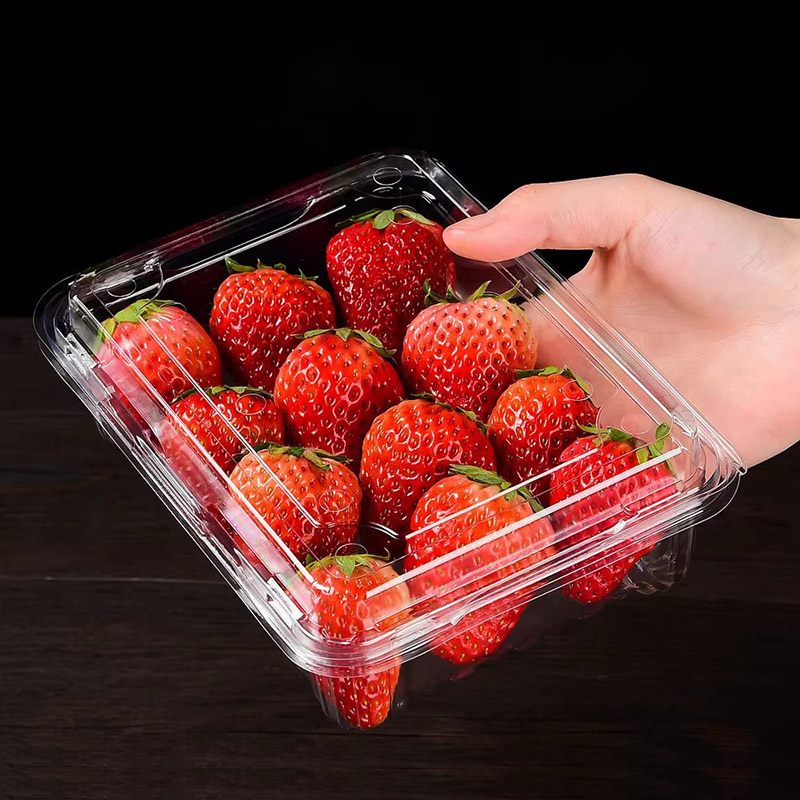
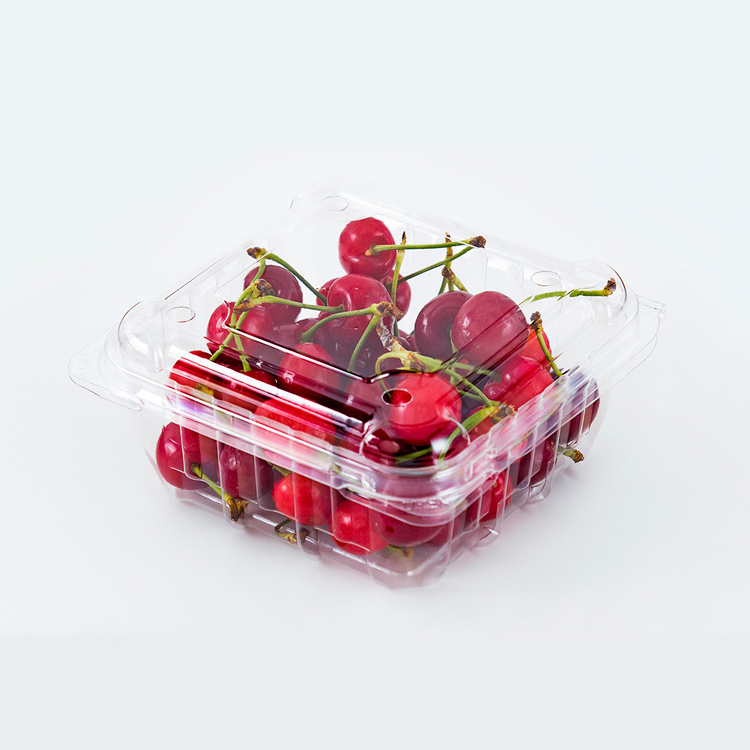
PET is one of the most commonly used materials in food packaging. It is highly effective in preserving food due to its excellent oxygen barrier properties and moisture resistance.
Benefits: PET packaging is known for its ability to preserve the freshness of perishable foods like fruits, vegetables, and beverages. It prevents oxygen from interacting with food, which significantly slows down oxidation. PET also offers high clarity, making it ideal for showcasing food products while providing protection.
Preservation Effects: The material helps maintain the color, flavor, and nutritional content of foods. It also offers high impact resistance, reducing the chances of damage during transport or handling.
2. CPET (Crystallized PET)
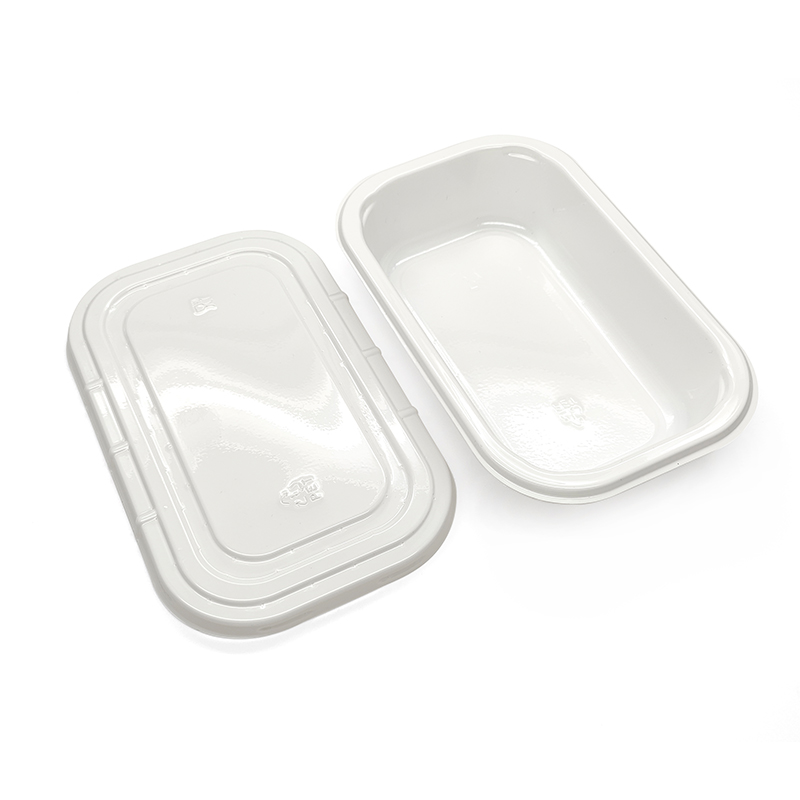
CPET is an enhanced version of PET, made with crystalline properties that improve its thermal resistance. It is commonly used for ready-to-eat meals and microwave-safe containers.
Benefits: CPET is heat-resistant, which makes it ideal for hot food packaging. It can withstand high temperatures, such as those used in microwave heating, without losing its structural integrity.
Preservation Effects: CPET’s barrier properties help maintain food quality by preventing moisture loss and controlling gas exchange, which extends the shelf life of hot foods. It’s particularly effective for hot meals, prepared meals, and microwave dinners.
3. PLA (Polylactic Acid)
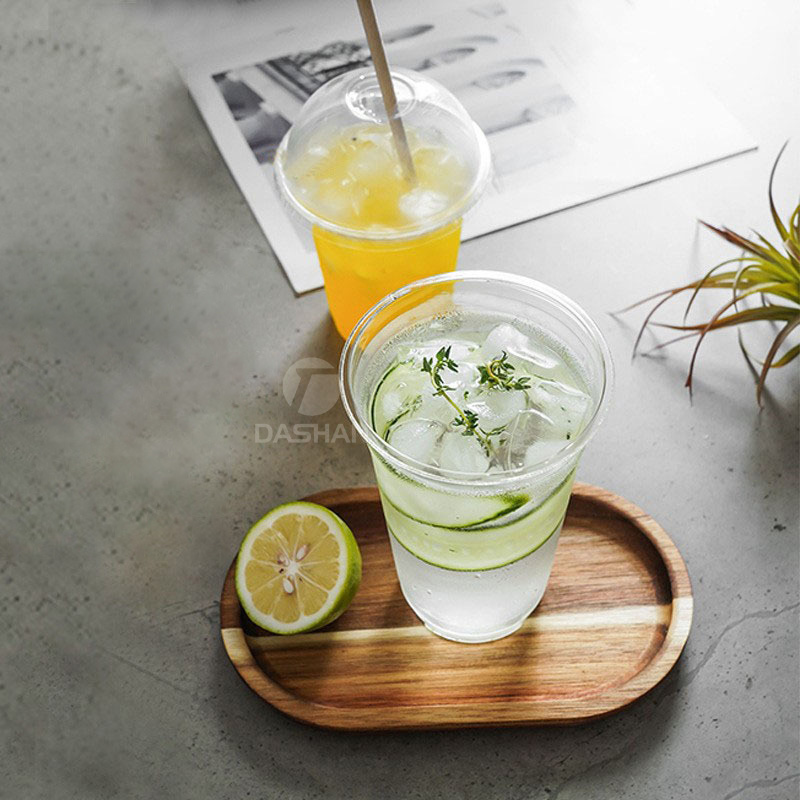
PLA is a biodegradable plastic derived from renewable resources like cornstarch or sugarcane. While it is a more sustainable alternative, its performance in food preservation is somewhat limited compared to PET and CPET.
Benefits: PLA is eco-friendly, compostable, and made from renewable materials. It’s widely used for cold beverages, salads, and desserts.
Preservation Effects: PLA is suitable for short-term food preservation as it is permeable to oxygen and moisture. This material works well for products that don’t require long shelf lives. While it doesn’t provide the same level of oxygen and moisture protection as PET, its biodegradability makes it a popular choice for sustainable food packaging.
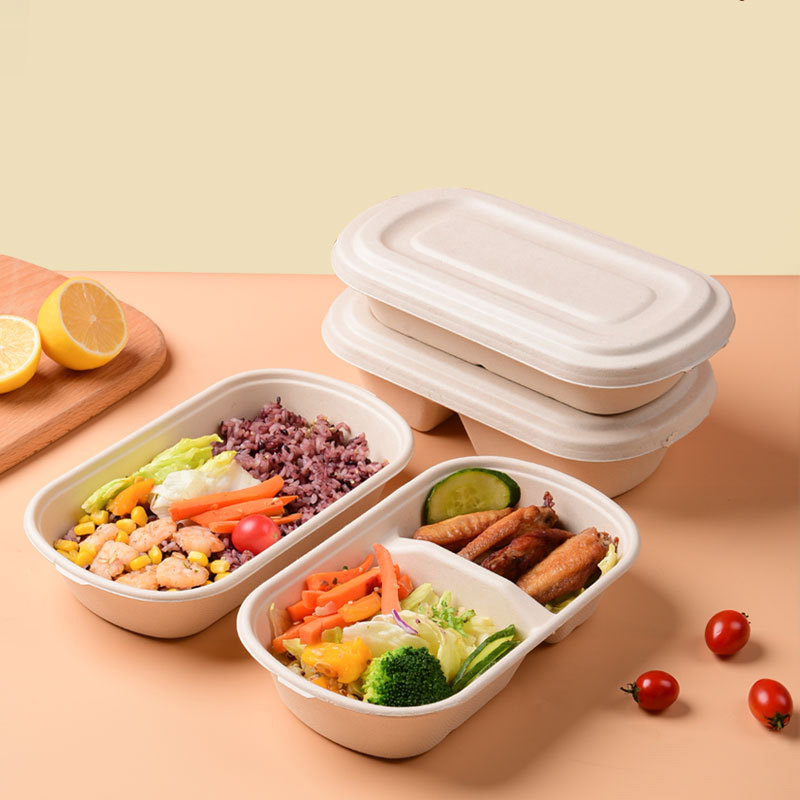
4. Paper-Based Materials (Sugarcane Bagasse, Paperboard)
Paper-based packaging materials, such as sugarcane bagasse, have gained popularity as sustainable alternatives to plastic. These materials are biodegradable and compostable, making them suitable for eco-conscious consumers.
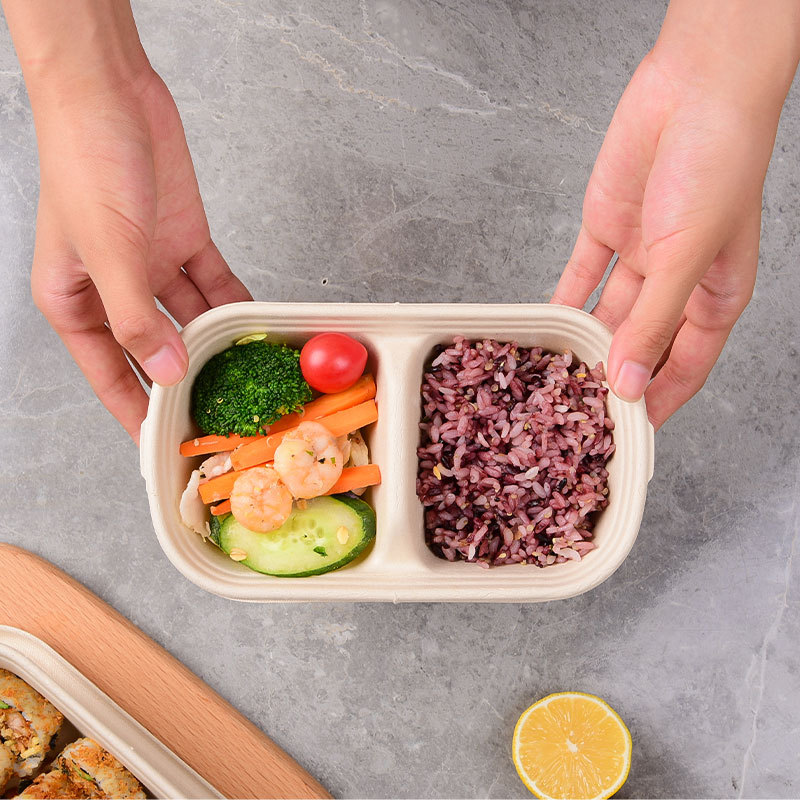
Benefits: Sugarcane bagasse and other paper-based materials are renewable and offer a low environmental impact. They are often used for products like takeout containers, dessert trays, and compartmentalized meal boxes.
Preservation Effects: Paper packaging, although sustainable, has high permeability to oxygen and moisture. As a result, it may not be suitable for products that require long shelf lives or those that need to stay dry. However, for dry snacks, baked goods, or other low-moisture products, paper-based packaging can be an excellent option.
Key Factors in Food Preservation
While the choice of material is crucial, several other factors influence how well food is preserved:
1. Oxygen Barrier Properties
Oxygen exposure accelerates oxidation, leading to spoilage, rancidity, and the loss of nutritional value. Materials like PET and CPET provide superior oxygen barrier properties, making them ideal for perishable foods such as fruits, vegetables, dairy, and meats.
2. Moisture Permeability
Different foods require different levels of moisture control. For example, fresh produce needs packaging that allows for some moisture exchange, while dry snacks require moisture-resistant packaging. Materials like PET and CPET offer low moisture permeability, while PLA and paper-based materials may allow higher levels of moisture to pass through.
3. UV Protection
Some foods, like fruit juices or dairy products, are sensitive to light, particularly ultraviolet (UV) light, which can degrade the nutrients and cause discoloration. Packaging materials with UV-blocking properties, like opaque PET, are ideal for protecting light-sensitive products.
4. Temperature Control
Temperature fluctuations can negatively impact food quality. CPET is especially effective in maintaining food quality under high-temperature conditions, making it suitable for heat-treated meals. Materials with low heat resistance can cause the food to lose flavor and texture, leading to a shorter shelf life.
Packaging Materials and Food Types: Matching the Right Packaging
1. Chilled and Refrigerated Foods
Packaging for chilled foods, such as fresh fruits, vegetables, and dairy products, needs to prevent moisture loss and limit oxygen exposure to maintain freshness. Materials like PET are commonly used, while CPET is suitable for hot meals that require refrigeration.
2. Frozen Foods
Frozen foods need packaging that prevents moisture loss and protects from freezer burn. Materials with excellent moisture resistance, such as PET, are ideal. Heat-sealed bags or vacuum-sealed containers can also enhance the preservation of frozen products.
3. Hot Foods
For ready-to-eat meals or foods that require heating (like microwave dinners), CPET is the best choice due to its ability to withstand high temperatures. It also helps to preserve the texture and flavor of hot meals.
4. Dry and Baked Foods
For dry or baked foods, such as crackers, chips, and pastries, packaging materials like paperboard or bagasse are suitable, provided they are moisture-resistant. These materials help maintain the crispiness and texture of dry foods while offering an eco-friendly solution.
Innovative Packaging and the Future of Food Preservation
1. Smart Packaging
Emerging technologies like smart packaging offer promising solutions for extending shelf life. Gas-flushing and modified atmosphere packaging (MAP) regulate the levels of oxygen and carbon dioxide around the food to slow down spoilage.
2. Nanotechnology
Nanotechnology in food packaging involves the use of nano-coatings and nano-materials to enhance barrier properties, reduce microbial growth, and even monitor the condition of the food in real-time.
3. Edible Packaging
As sustainability becomes increasingly important, edible packaging made from ingredients like seaweed, rice, and corn starch is being developed. These can be particularly effective for single-serving portions and contribute to a zero-waste food system.
Conclusion: The Future of Food Packaging and Preservation
As consumer demand for sustainable, efficient, and high-quality food packaging grows, innovations in packaging materials and technology will continue to drive improvements in food preservation. The choice of packaging material directly affects how well food maintains its freshness, flavor, texture, and nutritional value.
By selecting the appropriate packaging material based on food type and preservation requirements, manufacturers can significantly extend shelf life, reduce waste, and meet the increasing consumer demand for both freshness and sustainability.
FAQ (Frequently Asked Questions)
Q1: How does PET packaging help preserve food?
A1: PET packaging provides an excellent barrier against oxygen and moisture, which helps slow down oxidation and prevent microbial growth. This makes it ideal for preserving the freshness of fruits, vegetables, and beverages.
Q2: Can PLA be used for hot foods?
A2: No, PLA is not suitable for hot foods as it is a relatively low-temperature material. PLA is best used for cold foods and beverages, such as salads or iced drinks.
Q3: What makes CPET ideal for microwave meals?
A3: CPET is heat-resistant and can withstand high temperatures, making it perfect for microwave meals. It helps maintain the texture and flavor of hot foods while providing effective moisture and oxygen barriers.
Q4: Why is moisture permeability important for food packaging?
A4: Moisture permeability is crucial because it helps control the humidity inside the packaging. If too much moisture escapes, the food may dry out; if too much moisture enters, it could lead to mold or spoilage. Packaging materials with low moisture permeability, like PET and CPET, are essential for moisture-sensitive foods.
Q5: Is paper-based packaging a good choice for preserving food?
A5: Paper-based packaging materials, such as sugarcane bagasse, are excellent for dry foods like baked goods but are less effective at preserving moisture-sensitive items. They are more suitable for eco-conscious consumers looking for biodegradable solutions.
References
Jiang, L. et al. (2020). “The Impact of Packaging Materials on Food Preservation.” Food Science & Technology, 34(2), 123-135.
Pereira, C. et al. (2019). “The Role of Modified Atmosphere Packaging in Extending Food Shelf Life.” Journal of Food Engineering, 50(7), 42-48.
Siddiqui, M. et al. (2021). “Innovations in Food Packaging: Trends and Future Prospects.” Packaging Technology and Science, 40(3), 45-56.
Chen, R. & Zhang, X. (2022). “PLA Bioplastics in Food Packaging: Challenges and Opportunities.” Sustainable Packaging, 28(1), 56-63.
Copyright Statement
© 2025 Dashan Packing. All rights reserved.
This article is an original work created by the Dashan Packing editorial team.
All text, data, and images are the result of our independent research, industry experience,
and product development insights. Reproduction or redistribution of any part of this content
without written permission is strictly prohibited.
Dashan Packing is committed to providing accurate, evidence-based information and
to upholding transparency, originality, and compliance with global intellectual property standards.


评论
发表评论