Understanding the Role of Packaging in the Food System: Beyond Containment

Introduction
Packaging is often viewed merely as a protective cover for food products, but it plays a far more critical role within the food system. Packaging is not just about containment—it is an active participant in ensuring food safety, preserving food quality, and optimizing performance throughout the food supply chain, from production to consumption. Packaging affects various aspects of food, including its storage, transportation, processing, and even its marketing.
In fact, packaging’s contributions extend far beyond keeping food secure. By controlling factors like moisture, oxygen, and light exposure, packaging is essential for maintaining the freshness and taste of products, particularly in the case of perishable goods. Furthermore, packaging materials are designed to offer convenience, sustainability, and compliance with global food safety standards, making them indispensable for the modern food industry. In this article, we explore the multifaceted role of packaging in the food system, examining its critical functions, technological innovations, and its growing importance in the sustainability and consumer demand landscape.
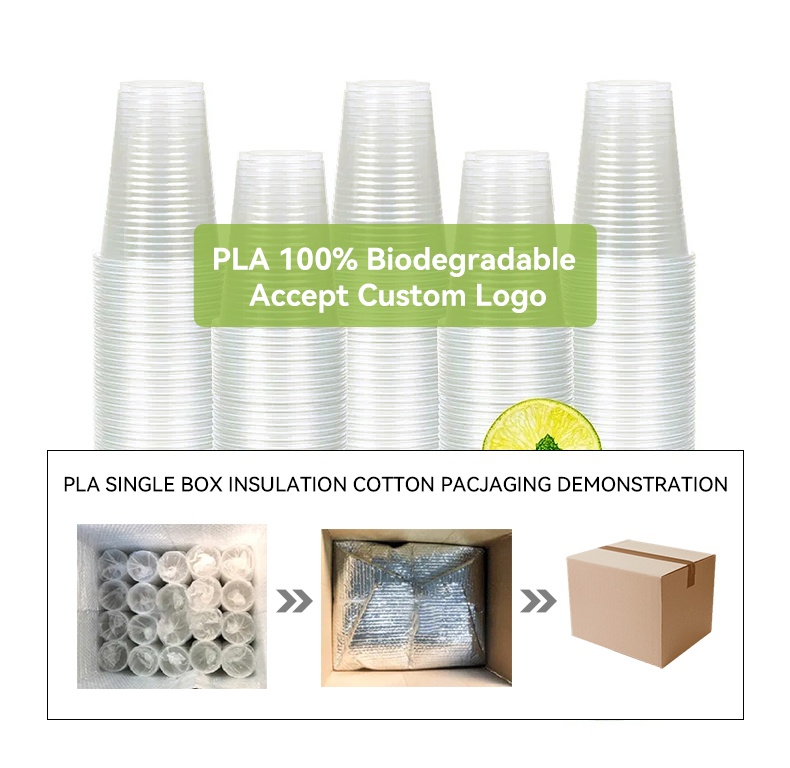
Section 1: The Multifunctionality of Packaging in the Food System
1.1 Packaging as a Barrier to Contamination
One of the most important roles of food packaging is its ability to act as a barrier to contaminants, whether they be microbial, chemical, or physical. The protection packaging provides ensures that food items remain safe for consumption throughout the supply chain. Without this barrier, food could be exposed to harmful substances, increasing the risk of foodborne illnesses and contamination.
For instance, vacuum-sealed packaging or modified atmosphere packaging (MAP) are widely used techniques that help reduce the presence of oxygen and moisture, preventing the growth of bacteria and mold. These types of packaging ensure that products like fresh fruits, vegetables, and meat retain their nutritional value and safety throughout their storage and transport.
Furthermore, tamper-evident seals on packaging offer an extra layer of security, indicating if the product has been compromised. This ensures the integrity of the food and provides reassurance to consumers about the safety of the products they purchase. Packaging materials like plastic films, aluminum, and glass also play a pivotal role in shielding food from contaminants while allowing for ease of handling and transportation.
1.2 Packaging for Food Preservation
The preservation of food is a complex process that packaging greatly facilitates. It controls the environmental conditions surrounding the food, such as temperature, humidity, and exposure to light, which all contribute to the degradation of food quality over time. Packaging prevents food from spoiling by slowing down processes like oxidation, which can lead to rancidity, flavor loss, and changes in texture.
Barrier properties of packaging materials such as plastic and glass help to minimize air exposure, which is critical in preserving the taste and freshness of food. For example, MAP technology replaces the air inside a package with gases like nitrogen or carbon dioxide, extending the shelf life of perishable items such as fresh produce and dairy products.
Packaging innovations such as edible packaging and active packaging systems are also making waves in the food preservation space. Active packaging incorporates substances that actively interact with the food, absorbing oxygen or releasing antimicrobial agents, to further enhance the shelf life and quality of products.
1.3 Packaging and Temperature Control
Temperature control is a vital aspect of the food system, especially when it comes to perishable products. Packaging materials play a key role in ensuring that food remains within the appropriate temperature range during storage, transport, and distribution.
For frozen foods, insulated packaging and thermoformed trays help protect products from external temperature fluctuations, ensuring that they stay frozen until they reach consumers. Refrigerated foods also rely on packaging that can maintain an ideal temperature, preventing bacterial growth and preserving food quality. Cold chain logistics is a vital area where packaging must meet specific standards to ensure products like frozen meals, dairy, and meat arrive at retail locations in optimal condition.
In this regard, packaging materials such as foam, vacuum-sealed bags, and insulating wraps serve as critical elements in maintaining the cold chain, and ensuring that food remains safe for consumption.

Section 2: Packaging and Food Processing
2.1 Packaging in the Food Manufacturing Process
Packaging plays an active role in the food manufacturing process itself. In modern food production lines, packaging is tightly integrated into the operations, where it serves multiple functions, from containing food to facilitating automation. Advanced packaging techniques, such as thermoforming and injection molding, allow manufacturers to create precise and cost-effective packaging solutions that meet the specific needs of the food industry.
Automation has significantly reduced labor costs and improved production speed. Packaging machinery that efficiently seals, fills, and labels products allows food manufacturers to keep up with the increasing demand for ready-to-eat meals, snacks, and beverages. Customizable packaging solutions, tailored to specific food products, also help enhance efficiency and product appeal, catering to consumer preferences.
Smart packaging, embedded with sensors or RFID tags, is another area where packaging is evolving. These technologies provide real-time data on food freshness, temperature conditions, and even traceability, adding another layer of food safety and quality control.
2.2 Packaging and Food Quality
The influence of packaging on food quality cannot be overstated. Food packaging is designed to preserve not only the safety of the product but also its taste, texture, and nutritional content. For example, the rolled rim design of cups or containers ensures a secure seal that prevents exposure to air, thus reducing the risk of oxidation and flavor loss.
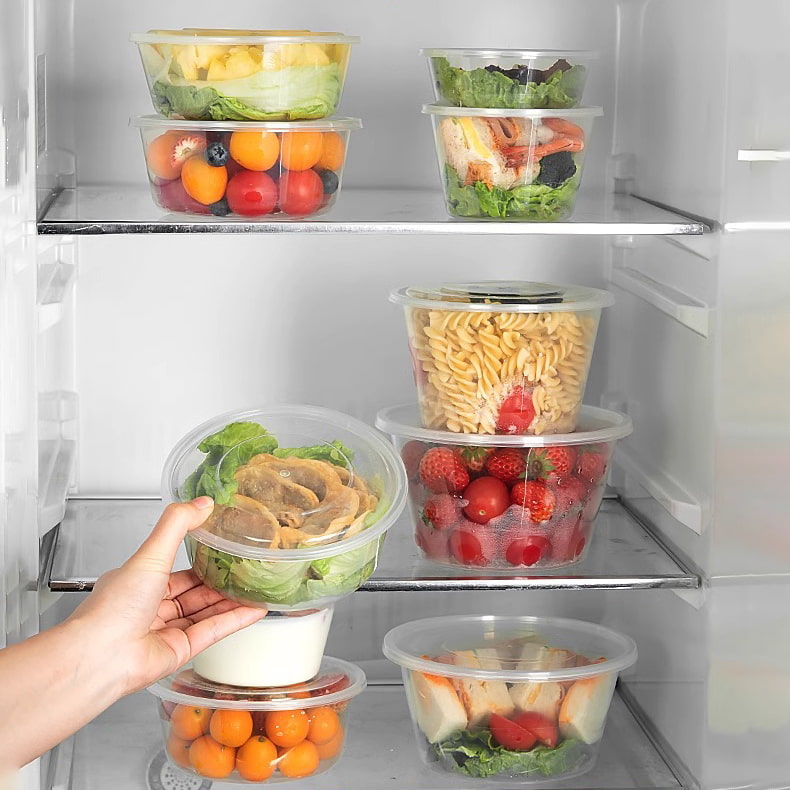
Additionally, packaging plays an essential role in maintaining the visual appeal of food products. Transparent packaging allows consumers to see the food inside, offering a sense of trust and providing an aesthetically pleasing product. For products such as snacks, bakery items, and beverages, the packaging serves as the first point of interaction between the consumer and the product, making appearance just as important as functionality.
As consumer demand for healthier and fresher food grows, packaging solutions must evolve to meet these needs. This includes the use of biodegradable materials, compostable packaging, and renewable resources that not only protect food but also align with sustainability goals.
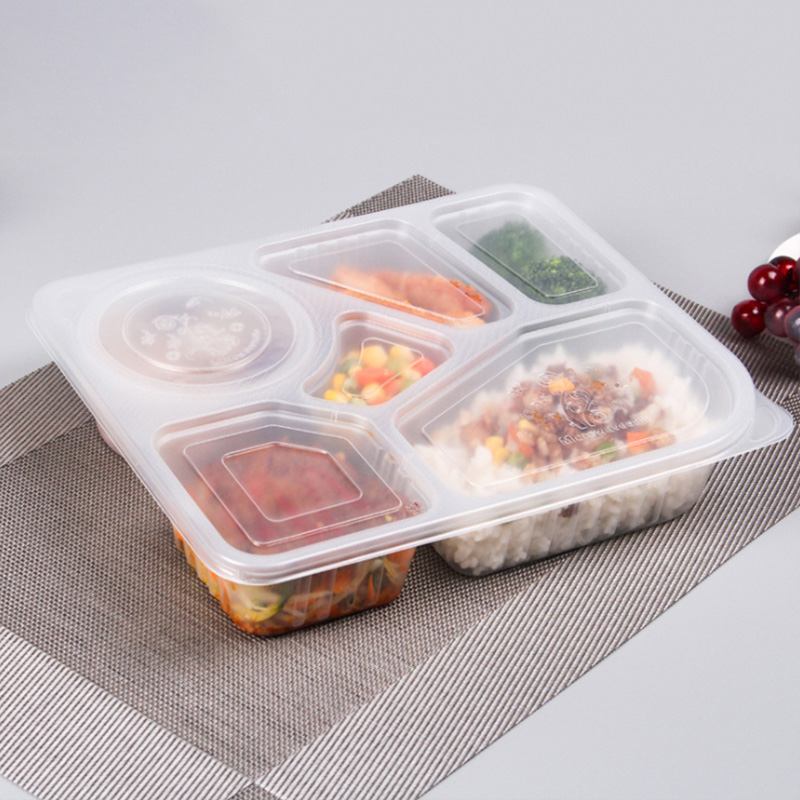
Section 3: Packaging and Transportation in the Food System
3.1 Packaging as an Essential Component of Logistics
Efficient food logistics depends heavily on packaging to ensure that products are delivered safely and in a timely manner. Packaging is designed to withstand the rigors of transportation, ensuring that food products arrive at their destination without damage or spoilage.
For example, protective packaging like bubble wrap, foam inserts, and cushioning materials help prevent physical damage during transit. This is especially important for fragile items like fresh produce, eggs, or glass-bottled beverages. Additionally, packaging helps optimize the storage capacity during transportation, ensuring products are stacked in a way that maximizes space without compromising their integrity.
Packaging is also crucial in the context of international trade, where food products are often transported across continents and must remain fresh throughout long journeys. Special air-tight seals and temperature-sensitive materials are used to maintain product quality while complying with global food safety regulations.
Section 4: Packaging and Consumer Behavior
4.1 Consumer Expectations and Packaging
In today’s highly competitive food market, consumer expectations are driving significant changes in packaging design and functionality. Consumers no longer just want packaging that protects food—they demand packaging that reflects convenience, transparency, and sustainability. As the trend toward healthier and more eco-conscious eating habits grows, packaging is increasingly viewed as a reflection of a brand’s values and commitment to the environment.
Sustainable packaging has become a key factor in consumer purchasing decisions. Research indicates that a growing number of consumers are willing to pay a premium for food packaged in eco-friendly materials. This shift is leading many food companies to rethink their packaging strategies, moving away from single-use plastics toward more biodegradable and recyclable options. Brands that invest in sustainable packaging solutions demonstrate their commitment to environmental responsibility, which resonates with conscious consumers.
Moreover, packaging also influences the overall user experience. The ease of opening, storing, and resealing packaging is of increasing importance, particularly with products like snacks, beverages, and ready-to-eat meals. Packaging that offers convenience, such as easy-pour spouts, zippered resealability, or microwave-safe containers, can improve the consumer’s overall satisfaction and encourage repeat purchases.
4.2 Packaging and Food Waste Reduction
Packaging has an integral role in reducing food waste, one of the most pressing issues in the global food system. According to recent studies, nearly one-third of the food produced globally is wasted, and much of this occurs due to spoilage during storage or transport. Packaging helps extend the shelf life of perishable goods by maintaining the optimal environmental conditions that prevent spoilage.
For example, vacuum-sealed packaging and modified atmosphere packaging (MAP) significantly slow the oxidation process, which is one of the primary causes of food degradation. Furthermore, packaging innovations like portion-controlled packaging or resealable bags ensure that consumers only open what they need, helping to prevent food from going to waste at the household level.
Packaging also plays a role in improving inventory management within the food supply chain. Date labeling (such as “sell by” or “use by” dates) helps consumers and retailers better manage the freshness of products. By clearly marking the expiration or best-before dates on packaging, food products are consumed before they spoil, reducing the likelihood of waste.
4.3 Packaging as a Communication Tool
Packaging is one of the most powerful forms of communication between brands and consumers. It is not only a means of protecting the food but also a vehicle for conveying important information about the product’s origin, ingredients, and sustainability efforts. In today’s market, consumers are increasingly looking for transparency and traceability in the food they purchase. Packaging is a crucial tool for providing these insights.
For example, labels that highlight a product’s organic certification, fair trade status, or sustainable sourcing practices can significantly influence consumer buying decisions. Clear labeling also helps consumers make informed choices about dietary preferences and allergies, which is critical for health-conscious buyers.
The aesthetic design of packaging also communicates a brand’s identity. In a crowded marketplace, where many products may appear similar, design plays a key role in standing out. Whether through bold colors, unique shapes, or innovative structures, packaging can help brands create an emotional connection with consumers, driving brand loyalty.
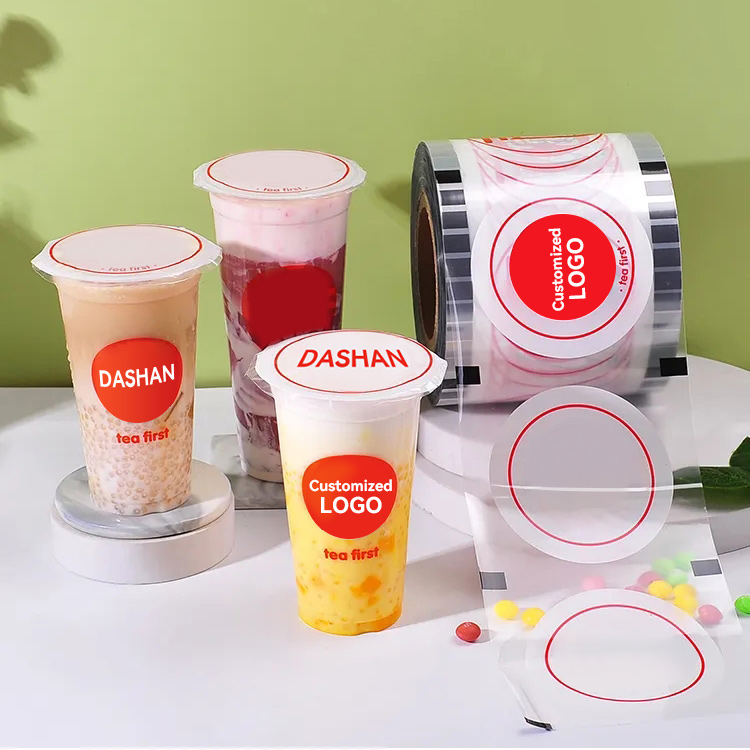
Section 5: The Future of Food Packaging
5.1 Trends in Food Packaging Technology
As the food industry continues to evolve, food packaging technology is advancing rapidly. Consumers demand more efficient, sustainable, and convenient packaging solutions, and the industry is rising to meet these expectations with groundbreaking innovations.
Smart packaging is one of the most exciting developments in this space. Through the integration of sensors and RFID (Radio Frequency Identification) technology, packaging can monitor conditions such as temperature, humidity, and ethanol levels, providing real-time data on the freshness of the product. This technology allows manufacturers and consumers to track the quality of food during transport and storage, ensuring that products arrive fresh and safe for consumption.
Another area of growth is plant-based packaging. With increasing pressure on the food industry to reduce reliance on single-use plastics, plant-based and biodegradable packaging solutions are gaining traction. Materials such as cornstarch, sugarcane bagasse, and mushroom-based packaging offer sustainable alternatives that are not only compostable but also reduce the carbon footprint of food packaging.
Active packaging is another trend that is transforming the industry. These packaging solutions contain substances that interact with the food to improve quality. For example, some active packaging materials can release antioxidants or absorb excess moisture, helping to preserve food longer. Edible packaging is also making strides, offering a novel approach to reducing packaging waste.
5.2 Regulations and Standards Impacting Food Packaging
As the demand for better packaging continues to grow, so too does the need for clear, consistent regulations. Global food packaging standards ensure that packaging materials meet certain safety and performance criteria, protecting consumers and ensuring that food is packaged in a way that prevents contamination.
Countries and regions have varying regulations governing food packaging materials. For instance, the European Union and United States have strict laws regarding the use of food-grade plastics, ensuring that materials used for packaging do not release harmful chemicals into food products. Similarly, many countries are implementing plastic waste reduction policies, encouraging the use of recyclable and biodegradable materials in food packaging.
These regulations not only guarantee food safety but also incentivize food manufacturers to innovate and adopt more sustainable packaging solutions. In turn, these changes are helping to drive a circular economy where packaging materials are reused, recycled, or composted, reducing their environmental impact.
5.3 The Role of Packaging in a Circular Economy
Packaging is a crucial part of the circular economy, which focuses on reducing waste and promoting the reuse of resources. As more companies and consumers embrace sustainability, the food industry is turning to packaging solutions that minimize waste and reduce the carbon footprint.
Recyclability is at the heart of circular packaging solutions. Packaging that is easily recyclable, such as PET, RPET, and PLA plastics, helps reduce the reliance on virgin materials and lessens the environmental impact of food packaging. The focus on closed-loop systems—where packaging materials are continuously reused—ensures that packaging remains in circulation and does not contribute to landfill waste.
Another key concept is upcycling, where packaging materials are repurposed into new products after their initial use. For example, RPET (recycled PET) can be used to create new packaging, clothing, or even construction materials, creating a closed loop for packaging materials. Through these innovations, the food packaging industry is making significant strides toward a more sustainable future.
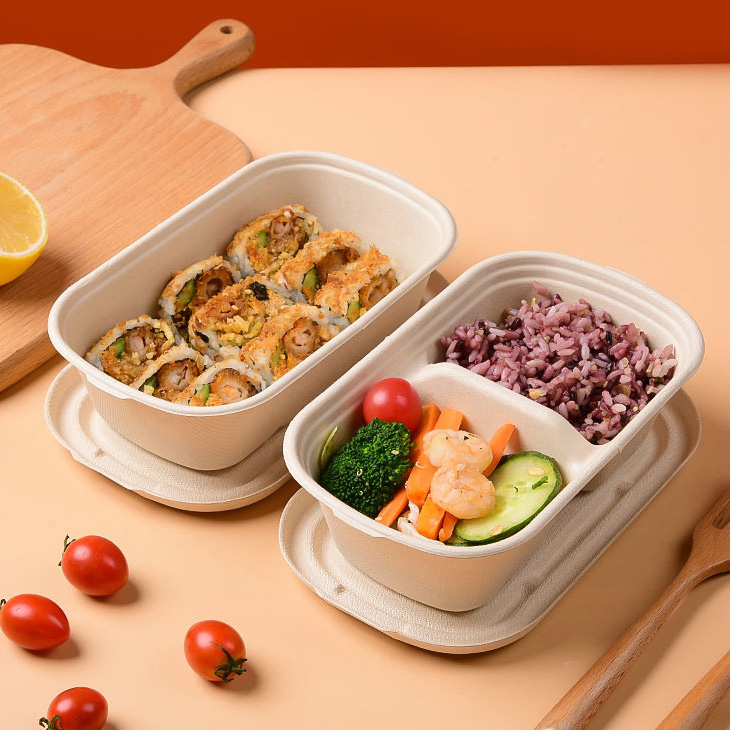
Section 6: Case Studies and Real-World Examples
6.1 Case Study: Innovative Packaging Solutions in the Dairy Industry
The dairy industry has been a pioneer in adopting innovative packaging solutions to ensure the freshness and quality of its products. Milk and yogurt packaging has evolved over the years, with a growing emphasis on sustainability and functionality.
For example, Tetra Pak is known for its use of cardboard-based packaging for milk and juice products. These packages are designed to protect the contents from light and air, which helps to preserve the nutritional content of milk while extending its shelf life. Additionally, Tetra Pak’s packaging is made from renewable resources, making it a more sustainable option in comparison to plastic-based milk cartons.
Another innovation is the use of biodegradable yogurt cups made from PLA (Polylactic Acid), which is derived from renewable plant materials like corn starch. These cups not only preserve the taste and texture of yogurt but also align with the increasing demand for eco-friendly packaging.
Conclusion
Packaging has become a critical component of the food system, influencing not only food safety and quality but also the environmental impact of the food industry. It serves far more than just the purpose of containing food; packaging plays an active role in preserving freshness, preventing contamination, and enhancing consumer experience. As the global demand for sustainable and efficient solutions increases, the role of packaging continues to evolve, driving innovation and shaping the future of food systems worldwide.
The importance of sustainable packaging cannot be overstated. With growing concerns about food waste, plastic pollution, and resource depletion, the food packaging industry must continue to innovate and find eco-friendly alternatives. Biodegradable materials, smart packaging, and active packaging are just a few examples of the technologies driving the industry forward, helping reduce waste and improve food preservation while aligning with sustainability goals.
As consumers demand greater transparency, convenience, and environmental responsibility, companies are responding by investing in packaging solutions that meet these needs. The future of food packaging will be shaped by a balance between functionality, cost-efficiency, and sustainability.
In summary, packaging is an indispensable part of the food system, influencing everything from logistics to consumer behavior. As the industry continues to innovate, packaging will play an even more significant role in ensuring food security, reducing waste, and promoting environmental sustainability. It is clear that packaging will continue to evolve, becoming smarter, more eco-friendly, and increasingly integral to the overall food system.
FAQ
Q1: How does packaging contribute to food safety?
Packaging plays a vital role in ensuring food safety by protecting it from contaminants such as bacteria, dirt, and chemicals. Barrier packaging materials, such as plastic films and aluminum, prevent exposure to harmful microorganisms, reducing the risk of foodborne illnesses. Additionally, packaging that offers tamper-evident seals ensures that consumers can easily detect if a product has been compromised.
Q2: What is the role of packaging in food preservation?
Packaging helps preserve food by creating an optimal environment for storage. It regulates factors like moisture, oxygen, and light, which can degrade food quality. Modified atmosphere packaging (MAP), for example, replaces oxygen with gases like nitrogen, slowing down the growth of bacteria and mold. This process helps extend the shelf life of perishable items such as fruits, vegetables, and meat.
Q3: How does packaging affect consumer behavior?
Packaging influences consumer behavior in various ways, including aesthetics, convenience, and sustainability. The visual appeal of a package can impact purchasing decisions, as can the convenience of features like resealable zippers or easy-open lids. Furthermore, increasing consumer demand for eco-friendly packaging means that many consumers are now considering the environmental impact of packaging when making purchasing choices.
Q4: What are the most common sustainable packaging materials?
The most common sustainable packaging materials include PLA (Polylactic Acid), RPET (recycled PET), and biodegradable plastics. These materials offer eco-friendly alternatives to traditional plastic and are made from renewable resources or are designed to break down naturally. Additionally, plant-based packaging solutions like sugarcane bagasse and cornstarch are gaining popularity in the food packaging industry.
Q5: How does packaging help reduce food waste?
Packaging plays a key role in reducing food waste by extending the shelf life of food products and helping consumers store them properly. Portion-controlled packaging and resealable bags allow consumers to use only what they need, reducing the likelihood of spoilage. Additionally, packaging innovations such as vacuum-sealing and active packaging help maintain food quality for longer periods.
References
Smith, A., & Johnson, R. (2022). “The Role of Packaging in the Food System: A Review.” Journal of Food Science and Technology, 45(3), 232-248.
Food and Agriculture Organization (FAO). (2021). “Food Loss and Waste: Key Facts.”
European Commission. (2020). “Directive (EU) 2019/904 on the Reduction of the Impact of Certain Plastic Products on the Environment.”
Tetra Pak. (2021). “Sustainability in Food Packaging: Trends and Innovations.” Tetra Pak Sustainability Report 2021.
ResearchGate. (2023). “Smart Packaging Technologies in Food Industry.”
Plastic Pollution Coalition. (2022). “Plastic Packaging and Its Environmental Impact.”
Copyright Statement
© 2026 Dashan Packing. All rights reserved.
This article is an original work created by the Dashan Packing editorial team.
All text, data, and images are the result of our independent research, industry experience,
and product development insights. Reproduction or redistribution of any part of this content
without written permission is strictly prohibited.
Dashan Packing is committed to providing accurate, evidence-based information and
to upholding transparency, originality, and compliance with global intellectual property standards.


评论
发表评论