Comparing CPET Food Packaging to Glass and Ceramic: The Ideal Choice for Airline Catering

Introduction
In the rapidly evolving food packaging industry, materials such as Crystallized Polyethylene Terephthalate (CPET), glass, and ceramic are widely used for packaging, especially in the airline catering sector. Airlines require packaging solutions that are lightweight, durable, microwave-safe, and capable of maintaining food quality during the flight. CPET has emerged as a versatile material that combines many of the features that airlines and food service providers need. However, how does CPET stack up against traditional materials like glass and ceramic, which are also used in food packaging?
This article will provide a detailed comparison of CPET, glass, and ceramic food packaging, focusing on their use in airline meals. We will evaluate their properties, benefits, environmental impact, and practical applications in inflight catering. By the end of this article, you will have a comprehensive understanding of why CPET is the material of choice for many airlines and catering services.
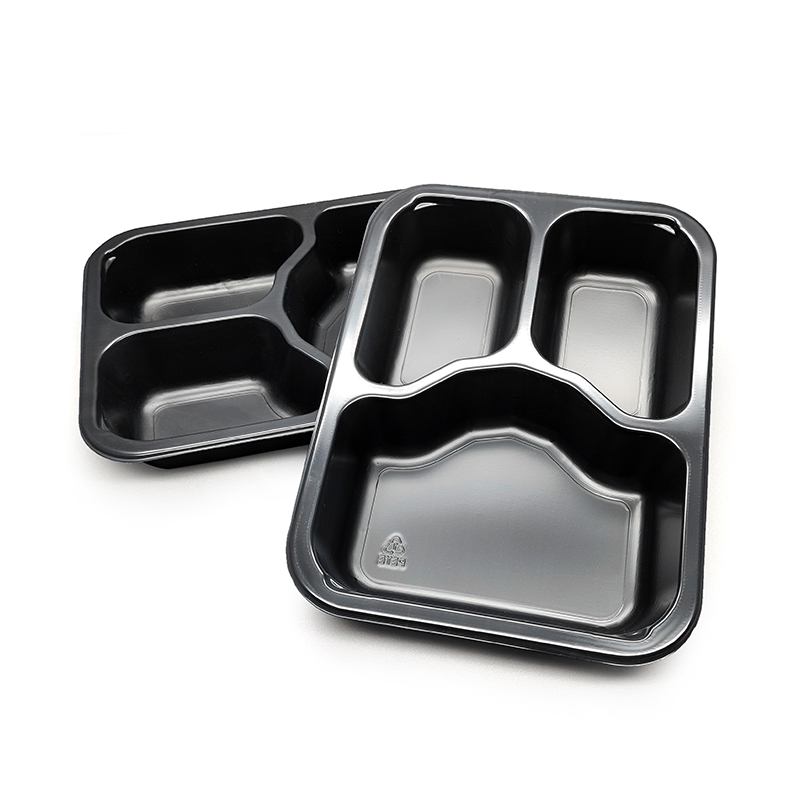
1. Overview of CPET, Glass, and Ceramic Packaging Materials
CPET (Crystallized Polyethylene Terephthalate):
CPET is a specialized form of polyethylene terephthalate (PET), which undergoes a crystallization process to improve its heat resistance. It is commonly used in food packaging for ready-to-eat meals, especially in airline catering. CPET offers excellent microwave safety, strength, and shatter resistance, making it a highly practical solution for inflight meal packaging.
Key Properties of CPET:
Microwave-safe: Can withstand high temperatures without warping or releasing harmful chemicals.
Lightweight: Ideal for reducing overall weight in airline meals, helping airlines to save on fuel costs.
Durability: Shatter-resistant and less prone to breakage compared to glass or ceramic.
Cost-Effective: Compared to glass or ceramic, CPET is more affordable for large-scale packaging needs.
Glass Packaging:
Glass is a traditional packaging material known for its ability to preserve food quality. It is chemically inert, meaning it does not react with food, ensuring flavor and freshness are retained. However, glass is significantly heavier and more fragile than CPET, which limits its use in certain applications, such as airline catering.
Key Properties of Glass:
Microwave-safe: Glass can safely be used in microwave ovens, although it requires longer heating times compared to CPET.
Heavy: The weight of glass increases the overall mass of the airline meal package, making it less ideal for air travel.
Fragile: Glass can break easily, which poses a safety risk in a cramped, jostling environment like an airplane.
Ceramic Packaging:
Ceramic is another traditional material used for food packaging. It is commonly used in premium, high-end food packaging. Ceramic provides excellent heat retention, but like glass, it is heavier and more prone to breakage.
Key Properties of Ceramic:
Microwave-safe: Ceramic packaging can withstand high temperatures and is microwave-safe.
Heat Retention: Ceramic retains heat better than CPET, which can be both an advantage and a disadvantage depending on the context.
Heavier and Fragile: Ceramic’s weight and brittleness make it impractical for single-use, inflight meals.
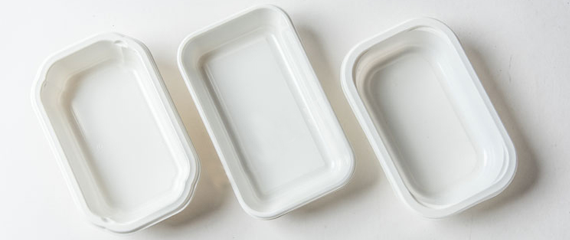
2. Key Factors in Airline Catering Packaging
Microwave-Safe Requirements
One of the most critical features of airline catering packaging is microwave compatibility. Meals need to be reheated onboard, and the packaging must withstand high temperatures without affecting the food’s quality.
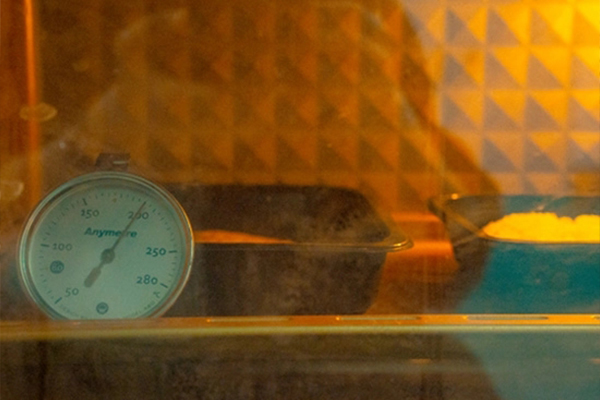
CPET: CPET can safely withstand temperatures up to 220°C, making it ideal for microwave reheating. It offers rapid, even heating, ensuring that the food is uniformly heated without warping or releasing harmful chemicals.
Glass: Glass is microwave-safe, but it heats up more slowly compared to CPET, requiring more energy to achieve the same results.
Ceramic: Like glass, ceramic is microwave-safe, but it retains heat for a longer time, which can lead to uneven reheating and potential safety concerns (burns).
Durability and Breakage Resistance
Since airline meals are transported and handled in a high-pressure environment, packaging materials must be durable and break-resistant.
CPET: CPET is highly durable and shatter-resistant. It is less likely to break or crack under pressure, which is essential for inflight catering.
Glass: Glass is fragile and can break easily, posing a safety risk, especially in confined spaces like the galley or overhead compartments.
Ceramic: Ceramic, while durable, is more prone to cracking or breaking upon impact, which makes it unsuitable for single-use inflight meals.
Cost-Effectiveness
Cost is always a crucial factor when selecting packaging materials, particularly in the airline industry, where large quantities of packaging are needed for each flight.
CPET: CPET is an affordable option for large-scale production. Its lower manufacturing cost compared to glass and ceramic makes it an ideal solution for airlines looking to keep costs down while maintaining quality.
Glass: Glass is relatively expensive to produce, transport, and store due to its weight and fragility.
Ceramic: Ceramic packaging tends to be more costly due to its production process, materials, and the added weight, making it less ideal for disposable packaging.
Weight Considerations
In the airline industry, weight is a critical factor. Excess weight leads to increased fuel consumption and higher operating costs.
CPET: CPET is lightweight, helping airlines reduce overall weight and fuel consumption while maximizing cargo space.
Glass: Glass is heavy, and the added weight of glass containers can result in higher fuel costs and less efficient use of available cargo space.
Ceramic: Ceramic is also heavy, which further contributes to unnecessary weight in inflight meal packaging.
3. Performance of CPET vs. Glass vs. Ceramic in Airline Catering
Thermal Properties
Thermal properties are critical when it comes to inflight food packaging. The material must handle reheating without deforming, losing shape, or affecting the food’s quality.
CPET: CPET’s thermal properties allow it to withstand high temperatures, making it perfect for microwaving and reheating meals. It does not warp or melt under standard microwave heating conditions.
Glass: Glass can handle high temperatures but takes longer to heat up. Furthermore, due to its thicker structure, it can retain heat longer, potentially leading to uneven heating.
Ceramic: Ceramic retains heat well and offers slow, even heating. However, because of its prolonged heat retention, it can make food too hot and less convenient for passengers.
Moisture and Leak Resistance
A major concern for airline meals is preventing leaks and moisture loss. Packaging materials must keep the food contained without spilling during transit.
CPET: CPET is highly resistant to moisture and provides an excellent seal when used with proper lids, preventing leaks and maintaining food freshness.
Glass: Glass containers can be sealed but tend to have issues with moisture retention, leading to potential leaks.
Ceramic: Like glass, ceramic requires external packaging or a tight-fitting lid to prevent moisture loss and leaks.
4. Sustainability: Environmental Impact Comparison
As sustainability becomes an increasingly important concern in the packaging industry, understanding the environmental impact of each material is crucial.
Recyclability
CPET: CPET is recyclable in many regions, but the availability of recycling programs may vary. It is a more sustainable option than single-use plastic, especially in contexts like airline catering.
Glass: Glass is 100% recyclable and can be recycled endlessly without losing quality.
Ceramic: Ceramic is not recyclable and typically ends up in landfills after use, which is a significant environmental drawback.
Carbon Footprint
CPET: The production of CPET has a lower carbon footprint compared to glass and ceramic due to its lighter weight and more efficient manufacturing processes.
Glass: Glass production is energy-intensive and results in a higher carbon footprint due to the need for high-temperature furnaces.
Ceramic: Like glass, ceramic production involves high energy consumption, contributing to a higher carbon footprint.
5. Practical Benefits and Use Cases for Airline Meal Packaging
Portion Control and Customization
CPET allows for precise portion control and customization of meal packaging. Its ability to mold into various shapes and sizes ensures that airlines can provide meals that meet passengers’ needs while maintaining cost-efficiency.
CPET: Ideal for portion control, CPET containers can be tailored to the specific needs of different airlines or catering services. It also allows for intricate customization options, such as embossed logos or specific meal compartments.
Glass and Ceramic: Both glass and ceramic offer limited options for customization compared to CPET, particularly when it comes to portion sizes and design flexibility.
Storage Efficiency
CPET’s lightweight and stackable design make it easy to store, maximizing the available storage space in both the warehouse and the aircraft.
CPET: Space-efficient and easy to stack, making it perfect for storing large quantities of meals in limited space.
Glass and Ceramic: Both materials are bulky and heavy, taking up more storage space and making them less practical for airline catering.
Reusability and Single-Use
While CPET is typically used for single-use applications, it can be reused in certain contexts if handled properly. Glass and ceramic packaging are more suited for reuse, but this is less practical for disposable inflight meals.
6. Consumer Perception and Market Trends
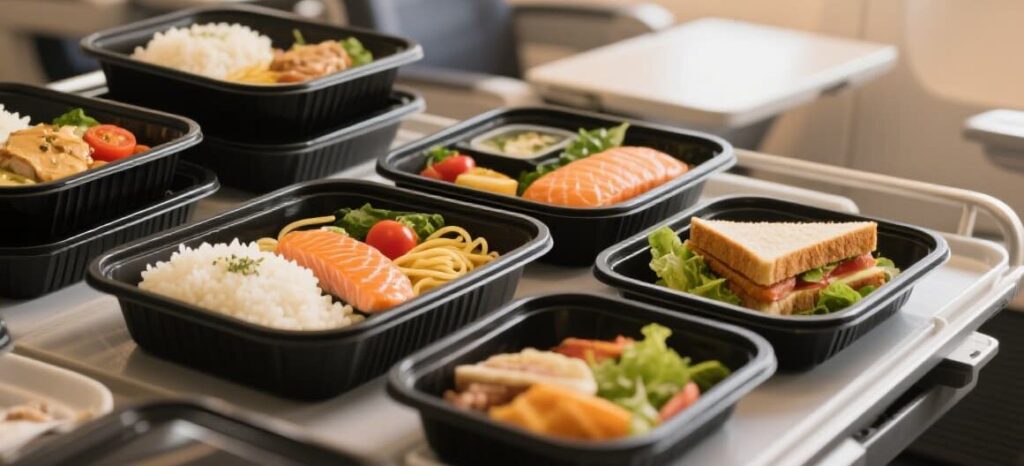
CPET: Generally perceived as a practical and cost-effective solution for inflight meals. The material’s flexibility, combined with its sustainability, has made it increasingly popular in the airline industry.
Glass: Glass is often seen as a premium option, especially for high-end meals, but its fragility and weight limit its appeal in the airline sector.
Ceramic: Ceramic is viewed as an eco-friendly and premium option, but its high cost and breakability make it less viable for disposable airline meal packaging.
7. CPET Packaging in Action: Case Studies and Real-World Applications
Several major airlines have adopted CPET packaging for inflight meals, citing its combination of microwave safety, durability, and cost-effectiveness. For instance, [Airline X] uses CPET trays for all its domestic flights, reducing packaging costs by 30% while maintaining meal quality and passenger satisfaction.
8. FAQs
What is CPET?
CPET (Crystallized Polyethylene Terephthalate) is a type of PET plastic that undergoes a crystallization process to improve its heat resistance. It is commonly used for microwave-safe food packaging, particularly in airline catering.
Why is CPET preferred for airline meal packaging?
CPET is preferred because it is lightweight, durable, microwave-safe, and cost-effective. These qualities make it ideal for airline meals, which require packaging that can withstand the rigors of flight while maintaining food quality.
Can CPET packaging be recycled?
Yes, CPET is recyclable in many regions, but availability of recycling programs may vary. As an environmentally friendly alternative to traditional plastics, CPET is a sustainable choice in many contexts.
What are the benefits of CPET over glass or ceramic for airline catering?
CPET offers a combination of lightweight design, breakage resistance, microwave safety, and cost-effectiveness. Unlike glass and ceramic, CPET is more practical for single-use inflight meals due to its reduced weight and durability.
How does CPET perform under microwave heating?
CPET performs excellently in microwave conditions, withstanding temperatures up to 220°C without warping or releasing harmful chemicals. It ensures even heating, which is crucial for inflight meal quality.
Is CPET packaging durable for air travel?
Yes, CPET is highly durable and shatter-resistant, making it ideal for air travel. It can withstand the rough handling typical in airline catering and does not break or crack easily.
What are the sustainability benefits of CPET packaging?
CPET is recyclable in many regions and has a lower carbon footprint compared to glass and ceramic, which require more energy for production. This makes CPET a more sustainable choice for airline catering packaging.
9. Conclusion
CPET stands out as the ideal material for airline catering packaging due to its lightweight, microwave-safe, durable, and cost-effective properties. While glass and ceramic have their place in food packaging, they are less practical for the unique requirements of airline catering. CPET’s versatility, combined with its sustainability, makes it the material of choice for modern airline catering operations.
10. References
Link to CPET properties and benefits
Sustainability of CPET packaging
Case studies on CPET in airline catering
Copyright Statement
© 2026 Dashan Packing. All rights reserved.
This article is an original work created by the Dashan Packing editorial team.
All text, data, and images are the result of our independent research, industry experience,
and product development insights. Reproduction or redistribution of any part of this content
without written permission is strictly prohibited.
Dashan Packing is committed to providing accurate, evidence-based information and
to upholding transparency, originality, and compliance with global intellectual property standards.


评论
发表评论