Is PLA Food Packaging Completely Environmentally Friendly?

Quick Summary
PLA food packaging is often marketed as an environmentally friendly alternative to traditional plastic. Derived from renewable plant sources like corn and sugarcane, PLA is biodegradable and compostable under specific conditions. While it has a lower carbon footprint compared to petroleum-based plastics, the production process is energy-intensive, and PLA can take years to degrade in landfills or oceans if not properly composted. Moreover, PLA can contaminate recycling streams, as it is not compatible with traditional recycling systems. Despite these challenges, PLA can contribute to sustainability if it is disposed of correctly in industrial composting facilities. However, it is not a perfect solution, and alternatives like sugarcane bagasse, cornstarch packaging, and reusable materials are also important components of the sustainable packaging landscape.
Introduction
In recent years, the demand for sustainable packaging has surged as consumers and companies alike strive to reduce their environmental footprint. One material that has garnered significant attention is Polylactic Acid (PLA), a bioplastic made from renewable plant sources such as corn starch or sugarcane. As an alternative to petroleum-based plastics, PLA is often marketed as an eco-friendly option in food packaging. However, the key question remains: is PLA food packaging truly as environmentally friendly as it seems?
This article explores the environmental impact of PLA food packaging, including its biodegradability, sustainability, and challenges. We will delve into the material’s production process, its potential benefits, limitations, and how it compares to other materials. Through this analysis, we aim to provide a clearer picture of PLA’s role in the circular economy and whether it can contribute to a sustainable future.
What is PLA Food Packaging?
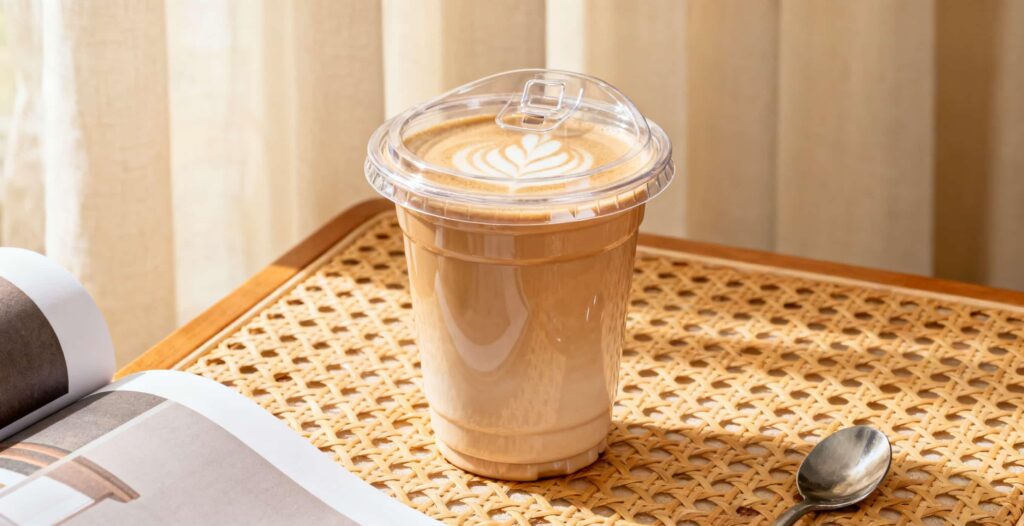
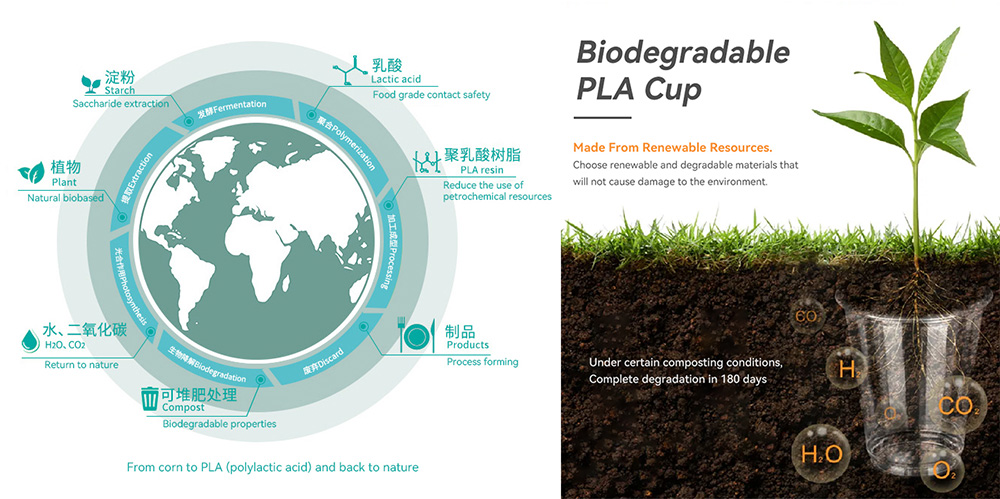
Polylactic Acid (PLA) is a biodegradable plastic made from renewable plant-based resources like corn or sugarcane. PLA is commonly used for various food packaging items, such as cups, trays, containers, and wraps. The production of PLA begins with the fermentation of plant sugars into lactic acid, which is then polymerized to form long-chain polymers, creating the plastic material.
Key Features of PLA Food Packaging:
Made from renewable resources: PLA is derived from crops like corn, sugarcane, and other starch-rich plants.
Biodegradable: PLA can break down into natural elements, provided it is exposed to the right environmental conditions.
Clear and transparent: PLA is transparent and can be used for various food items that require visibility.
Environmental Benefits of PLA Food Packaging
1. Biodegradability and Compostability
One of the primary advantages of PLA is its biodegradability, which differentiates it from conventional plastic that can take centuries to degrade. PLA can break down into natural components, including water and carbon dioxide, under specific conditions.
Industrial Composting:
Under industrial composting conditions, PLA can decompose in 30-90 days. Industrial composting facilities provide the ideal conditions—higher temperatures (50-70°C), moisture, and proper aeration—for PLA to break down efficiently.
Home Composting:
PLA can also degrade in home composting systems, but at a slower rate compared to industrial composting. Depending on the temperature and moisture levels in the home composting bin, PLA may take several months to a year to decompose.
Landfills:
If PLA ends up in a landfill, its biodegradation rate slows considerably. Landfills lack the necessary conditions (especially the right moisture and temperature) to facilitate rapid breakdown. In such environments, PLA can take 2-5 years to degrade, and during this time, it may release methane, a potent greenhouse gas, contributing to climate change.
2. Renewable Resource
Unlike traditional plastics, which are made from petroleum-based materials, PLA is derived from renewable plant sources. This characteristic reduces its carbon footprint, as plants absorb CO2 during their growth phase, potentially offsetting some of the emissions produced during PLA’s manufacturing.
Carbon Footprint: Studies have shown that PLA’s carbon footprint is significantly lower than conventional plastics, particularly because of its plant-based origins. However, the carbon benefits are influenced by farming practices, transportation, and energy used in PLA production.
3. Reduced Dependence on Fossil Fuels
By shifting from petroleum-based plastics to PLA, we reduce our reliance on fossil fuels. This shift is part of the broader movement towards renewable materials and a more sustainable circular economy. As PLA is made from crops, it contributes to a more sustainable and diversified material supply chain.
Challenges of PLA Food Packaging
1. Production Process and Energy Use
While PLA is made from renewable resources, its production process is still energy-intensive. The fermentation of sugars and polymerization of lactic acid require considerable amounts of energy, often sourced from fossil fuels. This increases the overall carbon footprint of PLA, particularly if renewable energy sources are not used during production.
The energy-intensive nature of PLA production also raises concerns about its environmental impact, especially in regions where electricity is predominantly generated from non-renewable sources.
2. Disposal and Recycling Issues
PLA is often not compatible with traditional recycling systems. Most municipal recycling programs do not accept PLA, and when it is mixed with other plastics, it can contaminate recycling streams. If PLA is mixed with PET or HDPE plastics, it can cause issues during the sorting and recycling processes, rendering the entire batch non-recyclable.
Recycling contamination: PLA packaging is commonly mistaken for PET or HDPE, which are recyclable plastics. This leads to significant contamination in recycling bins, making it harder to recycle other materials properly.
Limited Recycling Options:
While PLA can technically be recycled, the infrastructure for PLA recycling is limited. Only a few specialized recycling facilities accept PLA, which poses a barrier to widespread recycling of PLA packaging.
3. Limited Biodegradation in Non-Ideal Environments
Although PLA can biodegrade in controlled environments, it does not break down quickly in less-than-ideal conditions. In landfills, PLA can persist for years, as it does not have access to the necessary temperature and moisture for efficient decomposition. This delay in degradation can undermine its environmental benefits.
PLA and Marine Pollution:
PLA’s degradation in marine environments is also a concern. While it breaks down faster than traditional plastic, it still takes a significant amount of time, leading to the risk of marine debris and its associated environmental impact.

Data and Tables on PLA Food Packaging
Table 1: PLA vs Conventional Plastic Environmental Impact
| Factor | PLA Food Packaging | Traditional Plastic (PET/HDPE) |
|---|---|---|
| Renewability | Derived from renewable plants | Derived from petroleum |
| Biodegradability | Biodegradable in industrial composting | Non-biodegradable |
| Carbon Footprint | Lower, due to plant-based resources | Higher, due to fossil fuels |
| Energy Use in Production | Moderate energy use | High energy use |
| Recycling | Contaminates plastic recycling streams | Widely recyclable (PET/HDPE) |
Table 2: Biodegradation Times in Different Environments
| Environment | PLA Biodegradation Time | Conventional Plastic (PET) Biodegradation Time |
|---|---|---|
| Industrial Composting | 30-90 days | N/A |
| Home Composting | 6 months to 1 year | N/A |
| Landfill | 2-5 years | 450+ years |
| Ocean | 1-2 years | 450+ years |
Does PLA Contribute to the Circular Economy?
PLA is often marketed as a key part of the circular economy. However, its role is limited due to the challenges outlined earlier. While PLA is biodegradable and compostable under ideal conditions, its disposal and recycling issues pose significant barriers to creating a truly circular lifecycle.
Composting and Recycling: The lack of widespread industrial composting infrastructure and PLA’s contamination of traditional recycling streams hinder its ability to fully close the loop in the circular economy.
Waste Management: In regions without composting facilities, PLA may contribute to waste accumulation, particularly in landfills.
Alternatives to PLA Food Packaging
While PLA offers certain benefits, it is not the only eco-friendly alternative to traditional plastics. Other sustainable options include:
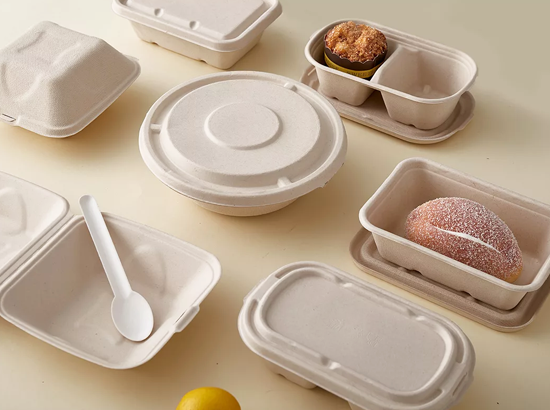
Sugarcane Bagasse: A waste product from sugar production, bagasse is biodegradable and compostable. It is used to make food packaging such as trays and containers.
Cornstarch Packaging: Derived from the starch of corn, this material is biodegradable and suitable for various food packaging applications.
Reusable Packaging: Materials like glass, metal, and silicone offer long-term solutions that reduce the need for single-use packaging.
In addition to these options, innovations in packaging technology continue to emerge, offering better solutions for sustainable packaging.
FAQs on PLA Food Packaging
Is PLA completely biodegradable?
PLA is biodegradable under industrial composting conditions but can take years to decompose in landfills or the ocean.
How does PLA compare to traditional plastic?
PLA is derived from renewable resources and is biodegradable, while traditional plastic is petroleum-based and non-biodegradable.
Can PLA be recycled?
PLA is technically recyclable but is not widely accepted in most municipal recycling programs, often contaminating plastic recycling streams.
What are the environmental drawbacks of PLA?
The energy-intensive production process and the limited availability of industrial composting facilities are key drawbacks of PLA.
Is PLA suitable for home composting?
PLA can degrade in home composting but at a much slower rate than in industrial composting conditions.
Does PLA contribute to greenhouse gas emissions?
The production of PLA generates fewer emissions than petroleum-based plastics, but it still requires significant energy, often sourced from fossil fuels.
What are some sustainable alternatives to PLA?
Alternatives include packaging made from sugarcane bagasse, cornstarch, and reusable materials like glass and metal.
Conclusion
While PLA food packaging offers several environmental benefits, including being made from renewable resources and being biodegradable under the right conditions, it is not without its limitations. Its energy-intensive production process, contamination issues in recycling streams, and slow degradation in non-ideal environments mean that it is not a perfect solution. However, with proper disposal practices and advancements in recycling and composting infrastructure, PLA can play a role in reducing the environmental impact of packaging materials.
References
U.S. Environmental Protection Agency (EPA): “Plastics Recycling.”
European Bioplastics: “What is PLA?”
Cornell Waste Management Institute: “The Biodegradation of PLA.”
Journal of Polymers and the Environment: “Life Cycle Assessment of PLA and Conventional Plastics.”
Global Recycling Network: “PLA Recycling Challenges.”
Copyright Statement
© 2026 Dashan Packing. All rights reserved.
This article is an original work created by the Dashan Packing editorial team.
All text, data, and images are the result of our independent research, industry experience,
and product development insights. Reproduction or redistribution of any part of this content
without written permission is strictly prohibited.
Dashan Packing is committed to providing accurate, evidence-based information and
to upholding transparency, originality, and compliance with global intellectual property standards.


评论
发表评论