Why PET Salad Boxes Are So Popular in Europe and North America

Quick Summary
PET (Polyethylene Terephthalate) salad boxes have gained significant popularity in Europe and North America due to their transparency, strength, recyclability, and cost-effectiveness. As health-conscious eating trends rise, consumers increasingly seek convenient, pre-packaged meals, such as fresh salads, which PET packaging supports perfectly. The material’s durability ensures safe food transportation, while its lightweight nature reduces shipping costs. Additionally, PET’s recyclability, particularly with the growing use of recycled PET (RPET), aligns with the demand for sustainable packaging. Despite challenges related to plastic waste, PET remains a top choice for foodservice businesses and consumers due to its practicality, versatility, and eco-friendly options, with innovations in biodegradable coatings and smart packaging leading the way forward.
Introduction
In recent years, there has been a notable shift in the way food is packaged, especially for take-out and pre-packaged meal solutions. Among various packaging materials, PET (Polyethylene Terephthalate) has emerged as a clear favorite in many regions, especially in Europe and North America, for items like salads and other ready-to-eat meals. The popularity of PET salad boxes can be attributed to a combination of factors, including sustainability, cost-effectiveness, durability, and consumer preferences for health-conscious, on-the-go dining options. This article explores why PET salad boxes have gained widespread adoption in these regions and why they continue to be a top choice for foodservice businesses, retailers, and consumers alike.
1. What is PET Material?
PET is a widely used plastic polymer known for its versatility, durability, and excellent clarity. It is the material of choice for many types of food packaging, from soft drink bottles to salad boxes. PET is highly transparent, making it ideal for showcasing the fresh contents inside, such as colorful salads. Additionally, PET is lightweight, strong, and resistant to impacts, which helps prevent damage during transportation.
Properties of PET:
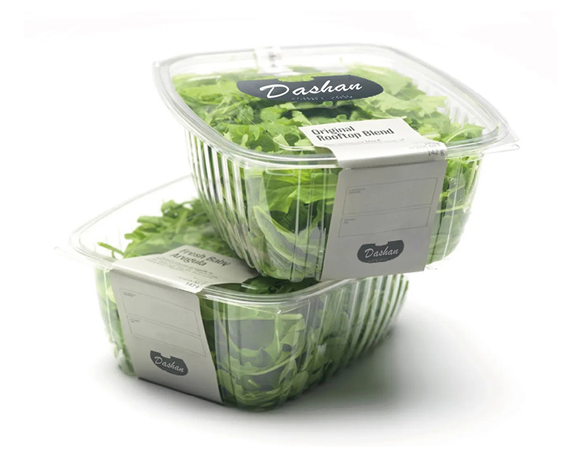
Clarity: PET is clear, allowing consumers to see the product inside, which enhances its appeal.
Strength: Despite its lightweight nature, PET is strong enough to protect food during handling and shipping.
Recyclability: PET is widely recyclable, making it a more sustainable option compared to other plastics.
Food Safety: PET is recognized as safe for food packaging and does not leach harmful chemicals into food.

2. Growing Demand for Healthy and Convenient Eating Options
The demand for healthy eating has surged globally, driven by an increasing focus on wellness and nutrition. This shift has resulted in a rise in the consumption of fresh salads, meal kits, and on-the-go meals, particularly in Europe and North America. The convenience of pre-packaged salads in PET containers offers consumers an easy and healthy option for busy lifestyles.
Health Trends:
Increasing Salad Consumption: According to the International Food Information Council, over 50% of adults in the United States consume salad at least once a week. Similarly, Europe has seen a steady increase in salad consumption as part of a balanced diet.
Meal Prepping: PET salad boxes are also popular for meal prepping, where individuals prepare multiple meals in advance for convenience and portion control.
3. Advantages of PET for Salad Boxes
Transparency and Appeal:
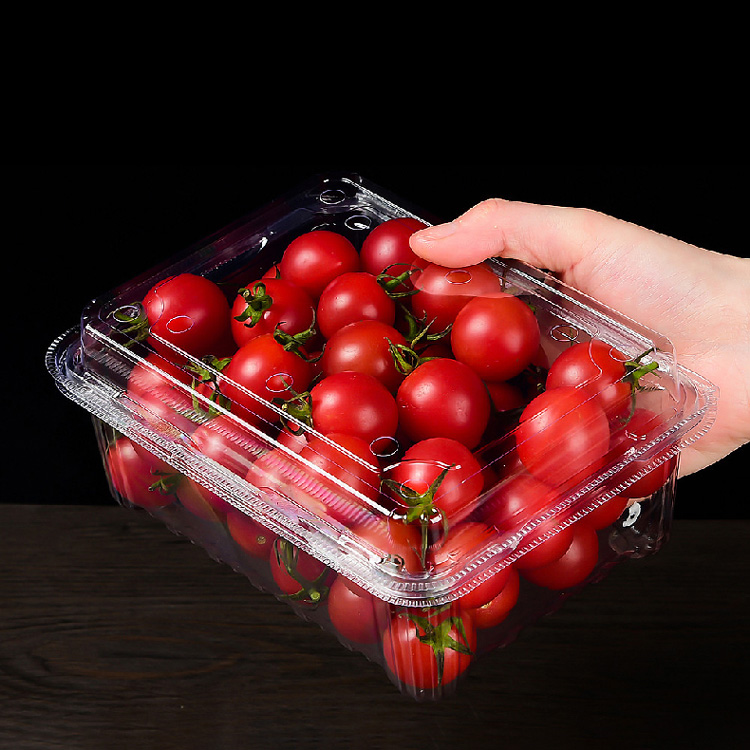
PET’s transparency is one of its most significant advantages when it comes to salad packaging. Consumers are drawn to clear packaging because it allows them to see the fresh ingredients inside, which enhances the visual appeal of the product. For salads, where freshness and vibrant colors are essential, PET’s clarity makes it an ideal choice.
Strength and Durability:
PET salad boxes are strong and can withstand impacts, reducing the likelihood of breaking or spilling during transit. This durability is a significant advantage over other materials like glass or even PLA, which can be more fragile.
Lightweight and Cost-Effective:
Despite its strength, PET is lightweight, which helps to keep shipping costs lower. Additionally, the manufacturing costs of PET packaging are relatively low, making it an economical choice for foodservice businesses.
Food Safety:
PET is approved for food contact by regulatory bodies in Europe and North America, and it does not contain harmful chemicals like BPA (Bisphenol A) that can be found in some other plastics. This food safety feature is crucial for consumer confidence and trust in PET-based packaging.
4. Sustainability and Environmental Considerations
Sustainability has become an essential consideration for both consumers and companies in recent years. PET’s recyclability and the growing use of recycled PET (RPET) make it a more sustainable option compared to many other packaging materials.
Recyclability of PET:
PET is one of the most commonly recycled plastics in the world. In Europe, approximately 40% of PET bottles are recycled each year, according to PlasticsEurope.
The use of RPET in food packaging is becoming increasingly common. RPET is made from recycled PET, which helps reduce the demand for virgin plastic and lowers the overall environmental impact.
Comparison with Alternatives:
While materials like PLA (Polylactic Acid) are often marketed as more environmentally friendly because they are compostable, PET has the advantage of being widely recyclable and more commonly accepted by recycling programs in Europe and North America. Additionally, PET is more durable than PLA and can be reused multiple times before recycling.
5. Consumer Preferences and Market Trends
In both Europe and North America, there is a growing trend of consumers demanding more sustainable packaging options. PET salad boxes meet this demand while also providing other benefits, such as durability, transparency, and cost-effectiveness.
Popularity in Europe and North America:
Sustainability Focus: Europe has long been a leader in sustainability initiatives, with many countries actively encouraging recycling and reducing plastic waste. In the U.S., consumers are increasingly interested in brands that offer eco-friendly packaging options.
Consumer Education: Efforts to educate consumers about the benefits of recycling PET and the environmental impact of their packaging choices have also contributed to the popularity of PET packaging.
6. PET Salad Boxes in the Foodservice and Retail Sectors
Foodservice Applications:
Many restaurants, salad bars, and cafes have adopted PET salad boxes due to their practicality and appealing presentation. PET containers help maintain the quality and freshness of the food while offering consumers a transparent view of their meal.
Retail and Pre-Packaged Meals:
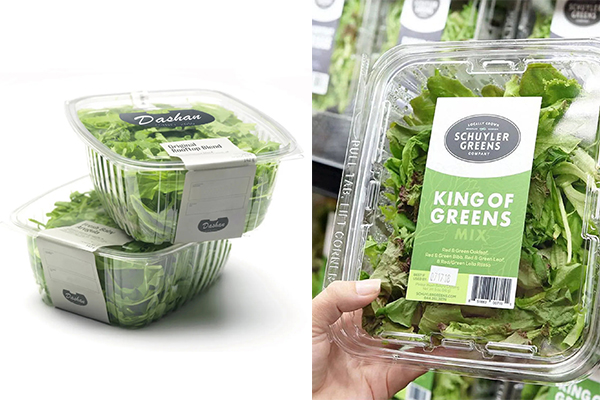
In grocery stores, pre-packaged salads in PET boxes are a staple in the refrigerated section. Consumers appreciate the convenience of ready-to-eat meals that require no preparation, and PET packaging allows for easy labeling and branding.
Customization Options:
PET packaging is highly customizable. Brands can print their logos, product information, and sustainability messages directly onto the boxes, providing a unique branding opportunity. Customization is also essential for retailers who wish to create a distinctive appearance for their products.
7. Case Studies of PET Salad Box Popularity
Several brands and businesses in both regions have successfully implemented PET salad boxes as a standard packaging choice. These companies have benefitted from the combination of sustainability, convenience, and cost-effectiveness that PET offers.
Success Stories:
Whole Foods Market (USA) has embraced PET packaging for its fresh salads, opting for clear PET containers that showcase the freshness of the ingredients.
Pret a Manger (UK) also uses PET containers for its pre-packaged salads, contributing to its brand image as an eco-conscious and convenient meal provider.
Data Table: PET Packaging in the Food Industry:
| Country | Market Share of PET in Food Packaging | Annual Growth Rate | Recycling Rate for PET |
|---|---|---|---|
| United States | 35% | 5% | 40% |
| Germany | 42% | 4.5% | 45% |
| France | 38% | 6% | 38% |
| United Kingdom | 33% | 4% | 39% |
8. Cost-Effectiveness of PET Salad Boxes
Comparison with Other Materials:
The cost of PET salad boxes is generally lower compared to alternatives like PLA or glass. While PLA is biodegradable, it tends to be more expensive to produce and is less durable. Glass, on the other hand, is fragile and significantly heavier, resulting in higher transportation costs.
Impact on Pricing for Consumers and Sellers:
The lower cost of PET packaging enables foodservice businesses to offer competitive prices for pre-packaged salads, while still maintaining profitability. Additionally, because PET is lightweight, businesses can save on shipping costs, which also benefits consumers through more affordable pricing.
9. Innovations in PET Packaging
The PET packaging industry is constantly evolving, with new innovations aimed at improving sustainability and consumer experience.
New Developments:
Better Sealing Mechanisms: New lid designs and sealing technologies are enhancing the freshness and shelf-life of products packed in PET.
Biodegradable Coatings: Some PET packaging is now being coated with biodegradable substances to make it more environmentally friendly.
Smart Packaging: Advances in technology have introduced the possibility of embedding QR codes or RFID tags in PET containers to provide consumers with product information, nutritional facts, and recycling instructions.
10. Regulatory Landscape and Compliance
The food packaging industry is highly regulated, particularly when it comes to materials used in direct contact with food. In both Europe and North America, PET packaging is compliant with food safety standards, ensuring that it is safe for use in the food industry.
Packaging Regulations in the EU and North America:
PET packaging must adhere to the regulations set by authorities such as the European Food Safety Authority (EFSA) and the Food and Drug Administration (FDA) in the U.S.
Certifications for Sustainability:
PET packaging that is made from recycled content or is fully recyclable often carries certifications such as ISO 14001 or Cradle to Cradle certification, which boosts consumer trust and aligns with global sustainability goals.
11. Challenges and Future of PET Salad Boxes
Despite its many benefits, PET packaging does face some challenges, particularly around environmental concerns related to plastic waste. However, the ongoing development of recycling infrastructure and the rise of RPET are helping address some of these issues.
Environmental Concerns:
While PET is recyclable, there is still concern about plastic pollution, and PET waste can contribute to environmental issues if not properly recycled. More education and efficient recycling systems are needed to ensure that PET salad boxes are reused properly.
The Future of Packaging:
The future of PET in food packaging looks bright, with increased use of recycled content and innovations that make PET more sustainable. Additionally, advancements in biodegradable coatings and the push for a circular economy will play a significant role in shaping the future of PET salad boxes.
FAQ
What are the benefits of using PET for salad boxes?
PET offers clarity, strength, and cost-effectiveness, making it ideal for salad packaging.
Is PET salad packaging recyclable?
Yes, PET is widely recyclable, and RPET is commonly used to reduce environmental impact.
Can PET be used for hot food packaging?
PET is typically used for cold food, but specialized PET grades can handle hot foods.
Are PET salad boxes safe for food?
PET is food-safe and complies with food safety regulations globally.
How do PET salad boxes compare to PLA boxes?
PET is more durable and recyclable, while PLA is compostable but less durable.
Why is PET packaging so popular in Europe and North America?
Due to its recyclability, consumer preference for transparency, and cost-effectiveness.
Can PET containers be customized?
Yes, PET packaging is highly customizable for branding and product differentiation.
Conclusion
PET salad boxes have proven to be an ideal choice for the growing demand for fresh, healthy, and convenient food options in Europe and North America. With its sustainability, versatility, and consumer appeal, PET continues to dominate the food packaging market, meeting both environmental and practical demands. As innovations in packaging technology continue to evolve, PET’s future looks promising, especially as the food industry pushes for more sustainable and circular packaging solutions.
References
PlasticsEurope
International Food Information Council
Food and Drug Administration (FDA)
European Food Safety Authority (EFSA)
Copyright Statement
© 2026 Dashan Packing. All rights reserved.
This article is an original work created by the Dashan Packing editorial team.
All text, data, and images are the result of our independent research, industry experience,
and product development insights. Reproduction or redistribution of any part of this content
without written permission is strictly prohibited.
Dashan Packing is committed to providing accurate, evidence-based information and
to upholding transparency, originality, and compliance with global intellectual property standards.


评论
发表评论