Bagasse vs Plastic Containers: Which One Should You Import?

Quick Answer
When evaluating the debate of Bagasse vs Plastic Containers, your choice dictates your entire market strategy. Bagasse is the ultimate choice for eco-conscious brands and regions with strict plastic bans, offering premium sustainability and compliance. Plastic (PET/PP), however, remains the undisputed leader in cost-efficiency, mature supply chain stability, and versatile applications requiring leak-proof seals and high transparency.
The Importer’s Dilemma: Navigating the 2026 Packaging Shift
As we move deeper into 2025 and 2026, food packaging wholesalers and restaurant chains are facing a critical crossroads. Environmental regulations are tightening globally, yet consumer demand for reliable, leak-proof delivery packaging has never been higher. Deciding whether to import sugarcane bagasse or traditional plastic isn’t just an environmental choice—it’s a high-stakes financial decision that impacts your freight costs, profit margins, and compliance risks(Please read the blog post titled “US Food Packaging Regulations 2025–2026: A Complete Supplier Guide”).
To make the right import decision, you need to look beyond the “eco-friendly” labels and analyze how these materials actually perform in the real world.
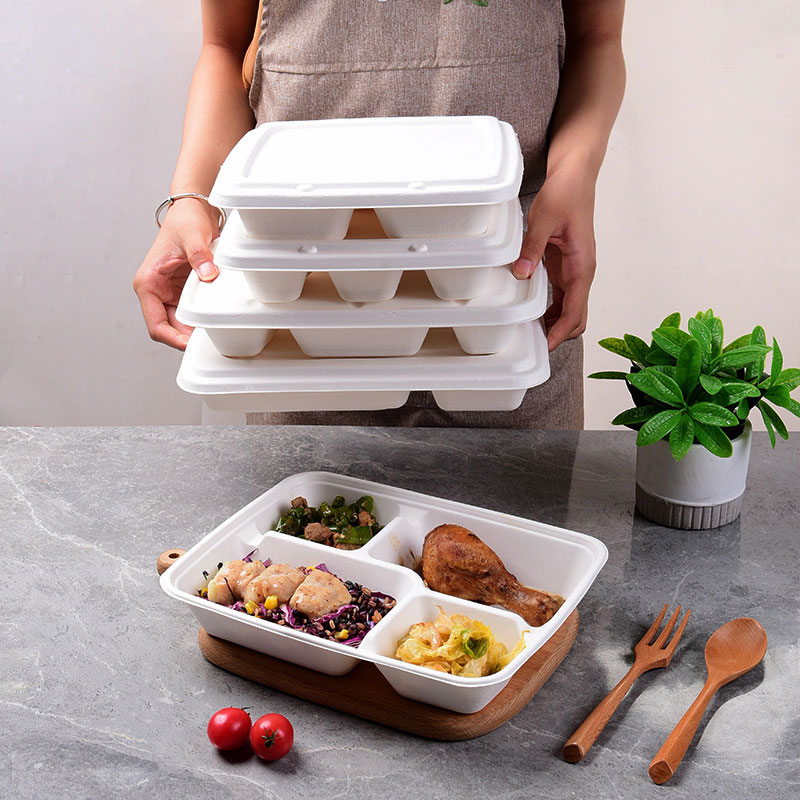
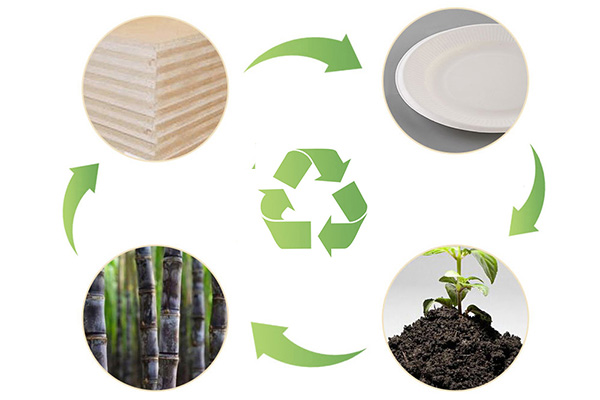
What Is Bagasse? (And Why Global Buyers Are Obsessed)
Bagasse is a fibrous byproduct that remains after juice is extracted from sugarcane. However, you shouldn’t just view it as agricultural waste; in the packaging industry, it is a strategic asset.
Why Overseas Buyers Care:
Bypass Plastic Taxes: In many European and North American markets, importing single-use plastics incurs heavy Extended Producer Responsibility (EPR) fees or outright bans. Bagasse bypasses these penalties.
The “Premium” Tactile Feel: Bagasse has a natural, textured, and matte finish. Consumers psychologically associate this look with healthy, organic, and premium food, allowing restaurants to charge a higher price point for their meals.
End-of-Life Profile: Unlike plastics that take centuries to break down, certified compostable bagasse can return to the earth in 90 to 120 days in commercial composting facilities.
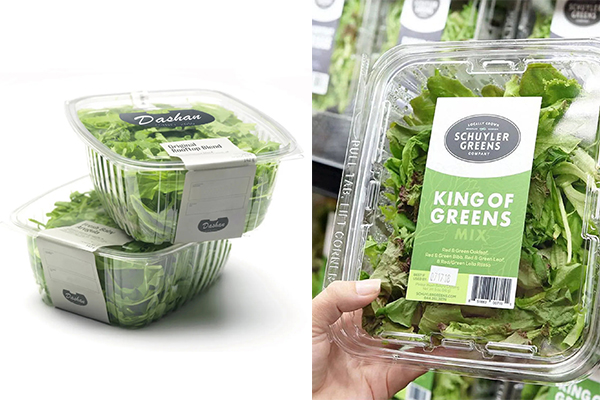
What Are Plastic Containers? (The Undisputed Champions of Utility)
Despite the green wave, plastic containers (primarily Polypropylene/PP and Polyethylene Terephthalate/PET) are far from obsolete. They remain the backbone of the global takeaway industry because their functional maturity is currently unmatched by any organic alternative.
The Practical Reality for Buyers:
Total Transparency (PET): If you are selling fresh salads, cut fruits, or vibrant desserts, consumers buy with their eyes. PET plastic offers glass-like clarity that bagasse simply cannot replicate.
Structural Integrity & Anti-Leak (PP): For heavy, hot, or liquid-based foods (like ramen, curries, or heavy sauces), PP containers offer secure, snap-fit lids that guarantee zero leakage during rough transit.
Logistics & Stacking: Plastic containers are manufactured with incredibly precise, thin walls. This means they nest together tightly, allowing you to fit significantly more units into a standard 40HQ shipping container compared to thicker bagasse products, drastically lowering your per-unit freight cost.
The Ultimate Comparison: Bagasse vs. Plastic
To help you make an informed sourcing decision, here is a direct comparison across the metrics that matter most to your bottom line:
| Feature / Metric | Bagasse (Sugarcane) | Plastic (PP / PET) | The Importer’s Verdict |
| Unit Cost | Medium to High | Low | Plastic offers better raw margins, but bagasse commands a higher retail price. |
| Visual Appeal | Natural, opaque, eco-premium | Clear (PET) or translucent/black (PP) | Use PET for visual display; use bagasse for brand ethos. |
| Heat Resistance | Excellent (Microwave & Oven safe up to 200°C) | PP is microwave safe; PET will melt. | Bagasse and PP tie for hot foods. |
| Oil & Water Resistance | Good (but can get soggy over long periods) | Perfect (100% impermeable) | Plastic wins for liquid/heavy grease delivery. |
| Leak-Proof Seal | Fair (lids can loosen during transit) | Excellent (snap-fit, tight seals) | Plastic is the only choice for soups. |
| Regulatory Risk | Low (if certified PFAS-Free) | High in strict regions (Bans, EPR fees) | Bagasse future-proofs your business against legislation. |
| Supply Stability | Growing rapidly, occasionally subject to crop yields | Extremely stable, massive global capacity | Plastic offers unmatched consistency in high-volume orders. |
Best Use Cases: Matching Material to the Market
Do not force one material to do a job it wasn’t designed for. Here is how you should segment your product catalog:
Fast Food & Dry Takeout (Burgers, Fries, Sandwiches): Bagasse. The breathable nature of sugarcane fiber prevents condensation, keeping fried foods crispy.Check our latest bagasse clamshell box designs for burgers and tacos.
Supermarket Deli & Cold Displays (Salads, Sushi, Cut Fruit): PET Plastic. Clarity is king here. You need the 100% visibility of PET to drive impulse purchases.
Heavy Liquid Delivery (Soups, Curries, Asian Cuisine): PP Plastic. The secure, tight-fitting lids of PP containers are mandatory to prevent spills and customer complaints.
Corporate Catering & High-End Events: Bagasse. Presenting food in premium molded fiber elevates the perceived value of the catering service.

Fatal Buyer Mistakes to Avoid When Importing
When transitioning or expanding packaging lines, importers frequently lose money by making these three critical errors:
Focusing Only on the “Eco” Label, Not Performance: Buying bagasse for a client who specializes in hot soup delivery will result in soggy containers and massive customer complaints. Always align the material’s physical limits with the actual food type.
Ignoring Freight Density: Importers often look only at the EXW (Ex Works) unit price. Because bagasse products are thicker and don’t nest as deeply as plastic, a shipping container will hold fewer bagasse items. You must calculate your landed cost factoring in the higher freight per unit.
Forgetting Chemical Compliance: Ensure your supplier maintains rigorous manufacturing standards. If your bagasse containers use traditional PFAS for grease resistance, they will be seized by US customs. Always demand a PFAS-Free Certificate.

FAQ: Making the Right Purchasing Decision
1. Is bagasse significantly more expensive than plastic?
Generally, bagasse costs 10% to 30% more per unit than standard plastic containers. However, this premium is often offset by avoiding plastic taxes and the ability to charge a premium for sustainable packaging.
2. Can bagasse hold hot soup for food delivery?
While bagasse can hold hot liquids, it is not recommended for delivery times exceeding 30-45 minutes, as the fiber will eventually soften. For long-distance liquid delivery, PP plastic is the industry standard.
3. Are plastic containers still profitable to import in 2026?
Absolutely. In regions where plastic is not banned, or for specific applications like cold deli displays (PET) and microwaveable prep-meals (PP), plastic remains the most profitable and high-volume packaging material.
4. Can both materials be microwaved?
Bagasse and PP (Polypropylene) plastic are both excellent for microwave use. However, PET plastic must never be microwaved, as it will melt and warp instantly.
5. How do I transition my clients from plastic to bagasse?
Start with a hybrid approach. Move their dry items, burger boxes, and plates to bagasse first, while keeping liquid-heavy items in PP plastic. This minimizes operational shock and customer complaints.
Practical Takeaway & Conclusion
The debate between bagasse and plastic isn’t about which material is universally “better”—it’s about which material is the right strategic fit for your specific market, legislation, and culinary application.
Choose Plastic if your priority is rock-bottom pricing, 100% leak-proof seals, and crystal-clear food presentation.
Choose Bagasse if you are targeting eco-conscious demographics, navigating strict single-use plastic bans, and want to position your brand as a premium, sustainable leader.
The most successful importers in 2026 don’t choose just one; they offer a carefully curated catalog of both.
Smart importers in 2026 evaluate the Total Cost of Ownership (TCO). While bagasse may have a higher landed cost due to freight density, bypassing EPR taxes in regions like Europe or California often makes it the more profitable long-term investment. The most successful importers don’t choose just one; they offer a carefully curated catalog of both.
Ready to optimize your packaging portfolio?
At Dashan Packing, we manufacture both high-precision, recyclable [ Internal Link: plastic containers] and certified, PFAS-free [ Internal Link: bagasse solutions].
Whether you need to cut costs or upgrade your sustainability profile, [Internal Link: Contact our export team today] to get free samples and a customized landed-cost analysis for your next shipment.
References & Authoritative Sources
To ensure our material comparisons and market advice are grounded in global standards, Dashan Packing references the latest data and regulations from the following leading organizations:
UN Environment Programme (UNEP): Single-Use Plastics: A Roadmap for Sustainability and global legislative trends.
ASTM International: ASTM D6868 – Standard Specification for Labeling of End Items that Incorporate Plastics and Polymers as Coatings or Additives with Paper and Other Substrates Designed to be Aerobically Composted (Key for Bagasse compostability verification).
U.S. Food and Drug Administration (FDA): Packaging & Food Contact Substances (FCS) Guidelines (Governing both PP/PET and molded fiber safety).
Ellen MacArthur Foundation: The New Plastics Economy and Extended Producer Responsibility (EPR) frameworks.
(Note: The comparative data provided is intended to guide strategic sourcing decisions. Market regulations and material recycling capabilities vary significantly by region. Always consult local waste management authorities and certified lab reports for your specific destination market.)
Copyright & Legal Disclaimer
© 2026 Dashan Packing. All rights reserved.
This material comparison guide is an original work created by the Dashan Packing editorial team. All text, product performance data, and market strategy insights are the result of our independent research and extensive manufacturing experience. Reproduction or redistribution of any part of this content without written permission is strictly prohibited.
Dashan Packing is committed to providing accurate, evidence-based information and to upholding transparency, originality, and compliance with global intellectual property standards.


评论
发表评论