CPET Airline Meal Trays: A Comprehensive Guide to Material Benefits, Applications, and Future Trends in the Aviation Industry

Quick Summary
CPET (Crystallized Polyethylene Terephthalate) has become a popular material for airline meal trays due to its unique combination of heat resistance, moisture protection, and recyclability. It offers significant advantages over traditional materials like PET, foam, and aluminum, making it ideal for maintaining food quality during flights. CPET Airline Meal Trays are durable, lightweight, and safe for food contact, contributing to better passenger experiences and operational efficiencies for airlines. The material is also eco-friendly, supporting the industry’s move toward sustainable packaging solutions.
While CPET provides several benefits, challenges such as sourcing raw materials, higher initial costs, and competition from biodegradable options remain. Nevertheless, the growing demand for sustainable packaging, innovations in recycled CPET (rCPET), and smart packaging solutions are likely to drive further adoption. Airlines like Emirates, Lufthansa, and Delta have already embraced CPET trays, benefiting from reduced waste, cost savings, and improved food presentation.
In the future, CPET is expected to play a key role in sustainable aviation packaging, with a focus on increasing recycled content and exploring biodegradable alternatives. As the airline industry seeks to reduce its environmental impact, CPET remains a valuable solution in the evolution of in-flight catering.
Introduction
In the ever-evolving world of aviation, the packaging materials used for in-flight meals have undergone significant transformations. Gone are the days when meals were served in generic containers made from materials that lacked the necessary durability, sustainability, and functionality. One material that has increasingly gained traction in the airline industry is CPET (Crystallized Polyethylene Terephthalate), a high-performance plastic material that is used to produce airline meal trays.
CPET is valued for its exceptional thermal stability, moisture resistance, and recyclability, making it the ideal choice for airline catering. These trays not only contribute to operational efficiencies but also align with the growing demand for sustainable packaging solutions in the aviation sector.
This article provides a comprehensive guide to CPET airline meal trays, exploring their features, benefits, applications, and innovations. Additionally, we will compare CPET with other materials like PET, aluminum, and foam, as well as discuss how the material is shaping the future of airline food packaging.
1. What is CPET?
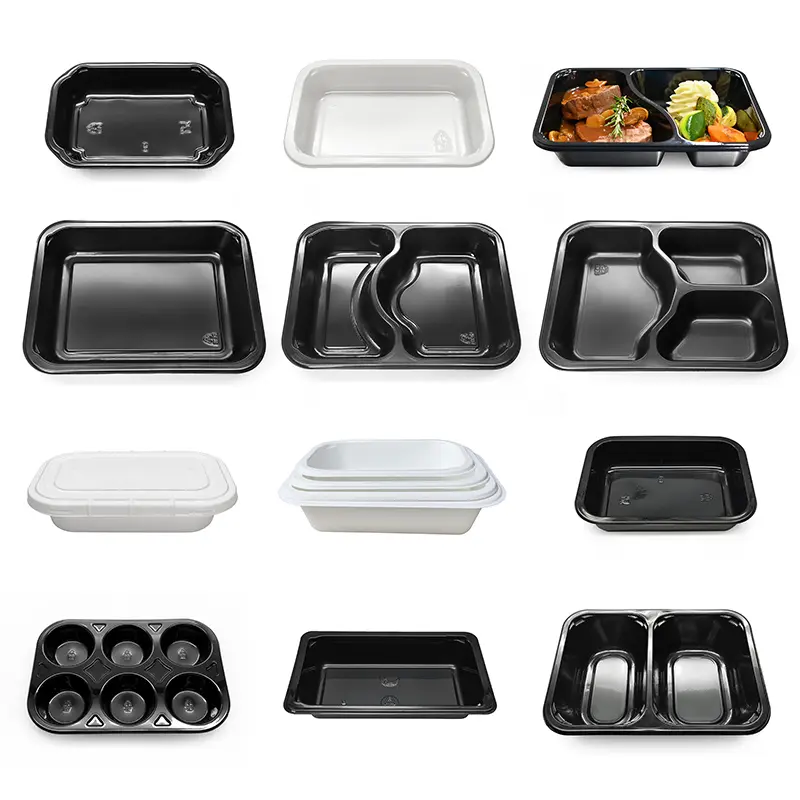
CPET (Crystallized Polyethylene Terephthalate) is a specially formulated plastic that is made by the crystallization process of PET (Polyethylene Terephthalate). PET is widely recognized for its strength, transparency, and recyclability, but CPET goes a step further by being able to withstand higher temperatures, making it a perfect material for food packaging, especially in the airline industry.
Material Composition and Properties:
Crystallization Process: CPET is produced by heating PET to a high temperature and then cooling it in a controlled environment to achieve its unique crystalline structure. This process enhances its strength, heat resistance, and moisture resistance.
Durability: CPET is a highly durable material, which makes it ideal for food packaging that must endure long transportation times and temperature fluctuations.
Temperature Resistance: One of the key advantages of CPET is its ability to withstand both high and low temperatures. It can be safely used in the oven or microwave, making it suitable for reheating meals during flights.
Recyclability: As with PET, CPET is fully recyclable, which aligns with the growing demand for eco-friendly materials in the food packaging industry.

2. The Evolution of Airline Packaging
The need for effective food packaging in the airline industry has evolved significantly over the decades. In the early days of aviation, meal packaging was often made from aluminum or foam, which were effective at insulating food but posed significant environmental challenges. Over time, airlines and catering services sought materials that could offer better food safety, improve the overall passenger experience, and align with environmental goals.
As global awareness about plastic pollution increased, there was a significant push towards finding more sustainable materials. CPET emerged as a solution, offering airlines a way to deliver high-quality meals while also promoting sustainability.
3. Key Features of CPET Airline Meal Trays
CPET airline meal trays are designed to meet the specific needs of the aviation industry. These trays are engineered to deliver a range of features that contribute to the efficient serving of meals during flights. Some of the key features include:
Heat Resistance and Thermal Stability:
CPET trays can withstand temperatures of up to 220°C (428°F), making them ideal for oven reheating or microwave use during in-flight catering. This ensures that meals remain warm and fresh during the flight, providing a better dining experience for passengers.Moisture and Grease Resistance:
The material’s resistance to moisture and grease ensures that the trays maintain their structural integrity even when filled with oily or watery foods. This property helps prevent leakage or spillage, which can cause contamination or mess during meal service.Lightweight and Durable:
CPET trays are lightweight, which helps airlines reduce fuel consumption during flight. At the same time, they are durable enough to withstand the stresses of transportation and handling.Convenient for Passengers:
CPET trays are easy to open and close, with secure lids that prevent food from spilling. This enhances the convenience for passengers, making it easier for them to enjoy their meals without the hassle of struggling with difficult-to-open containers.
4. Benefits of CPET in Airline Meal Trays
4.1. Sustainability
Sustainability is one of the most significant factors driving the shift towards CPET in the airline catering industry. Airlines are increasingly adopting sustainable materials in their operations, and CPET is a key component of this shift. Here are some of the sustainability benefits:
Recyclability: CPET is 100% recyclable, meaning that used meal trays can be processed and reused in the production of new trays or other plastic products.
Reduced Carbon Footprint: By switching to CPET, airlines can help reduce their overall carbon footprint. The lightweight nature of CPET also contributes to lower fuel consumption during flights, further enhancing the sustainability of airline operations.
Reduced Waste: Unlike other disposable materials, CPET trays are highly durable and can be reused in some cases, reducing waste and promoting a circular economy.
4.2. Food Safety and Hygiene
CPET is non-toxic and safe for food contact, which is crucial in the airline industry. Ensuring that food packaging does not contain harmful chemicals is essential for maintaining passenger health and safety. CPET is compliant with global food safety regulations, including FDA and EU standards.
Additionally, CPET’s moisture and grease resistance play a critical role in maintaining the hygiene and quality of the food, preventing contamination during transit.
4.3. Cost Efficiency
While CPET may have a slightly higher initial cost compared to traditional materials like foam or PET, the material’s durability and long lifespan offer significant cost savings in the long run. Airlines benefit from:
Reduced breakage: CPET’s durability reduces the risk of broken trays, which means fewer replacements and less waste.
Lower transportation costs: Since CPET trays are lightweight, they contribute to lower fuel consumption and transportation costs.
4.4. Consumer Experience
The experience of passengers is central to the success of any airline. CPET trays contribute to a better dining experience through:
Better food presentation: The transparency of CPET trays makes them ideal for showcasing food, improving the visual appeal of the meal.
Convenience: The trays’ compartments help maintain the organization of meals, preventing food from mixing or spilling. This convenience enhances the overall passenger experience during the flight.
5. Applications of CPET Airline Meal Trays
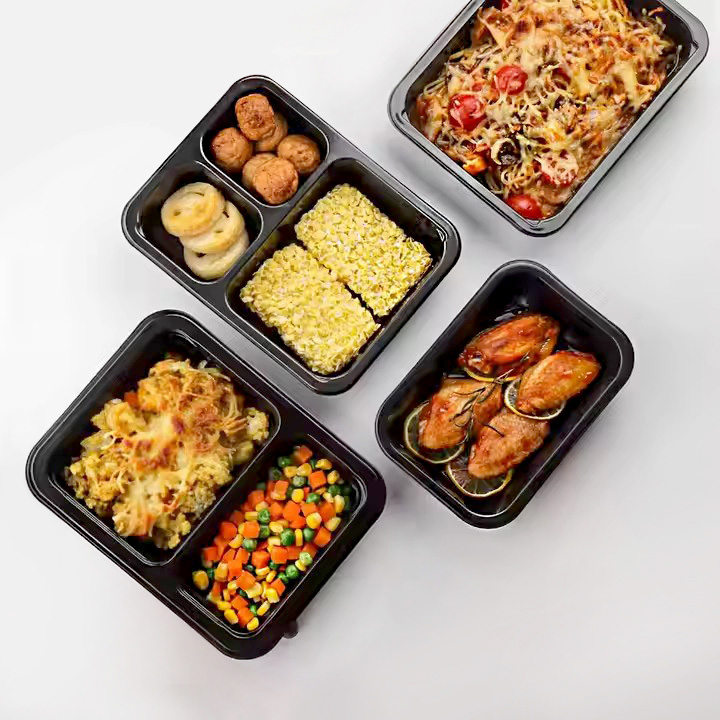
CPET meal trays are versatile and can be used for a wide range of meal types, including:
Hot Meals: CPET trays can withstand high temperatures, making them perfect for serving hot meals such as pasta, meats, and vegetables.
Cold Meals: CPET is also used for cold meals like salads, sandwiches, and desserts, as it prevents moisture from affecting the food’s quality.
Specialty Meals: CPET trays are ideal for serving special meals, including vegetarian, vegan, gluten-free, and other dietary options.
Custom Meals: Airlines can customize CPET trays for specific customer needs, such as meal size, compartments, and packaging style.
6. Comparison of CPET with Other Airline Meal Tray Materials
Here’s a comparison of CPET against other commonly used materials for airline meal trays:
| Feature | CPET | PET | Aluminum | Foam |
|---|---|---|---|---|
| Heat Resistance | Excellent | Moderate | Excellent | Poor |
| Moisture Resistance | Excellent | Good | Excellent | Poor |
| Sustainability | High | Moderate | Low | Low |
| Durability | High | High | High | Low |
| Cost | Moderate | Low | High | Low |
| Consumer Experience | High | Moderate | Moderate | Low |
| Recycling | Yes | Yes | No | No |
Key Takeaways:
CPET provides superior heat resistance and sustainability compared to PET and foam.
It’s a more eco-friendly option than aluminum, which is difficult to recycle.
The lightweight nature of CPET contributes to reduced fuel consumption during flights.
7. Innovations in CPET Airline Meal Trays
The future of CPET in the airline industry is marked by constant innovations to enhance its performance and efficiency. Some of these innovations include:
Stackable Designs: To save space in storage and transportation, CPET trays are increasingly being designed to be stackable.
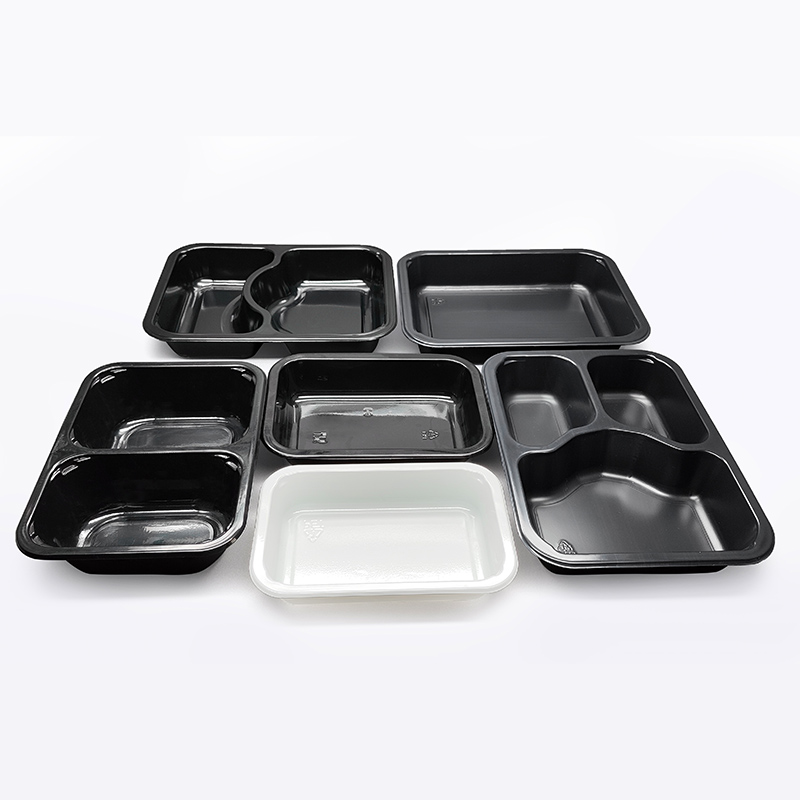
Customized Compartments: Airlines are adopting customized CPET trays with multiple compartments to separate different meal components.
Innovative Packaging: CPET trays are being integrated into innovative packaging systems that reduce waste and improve meal organization.
8. Challenges of CPET Airline Meal Trays
While CPET offers numerous advantages, there are also some challenges associated with its use in the airline industry. These challenges must be addressed to ensure its continued success as a material for in-flight meal trays.
8.1. Sourcing CPET Raw Material
One of the challenges faced by the airline catering industry is sourcing CPET raw material. As with any plastic material, CPET relies on petrochemical-based products, which can face supply chain disruptions or price fluctuations. Additionally, the production of CPET requires energy-intensive processes, which can raise concerns about the environmental impact of sourcing the raw materials.
8.2. High Initial Cost
Although CPET offers cost efficiencies in the long run, the initial production cost is generally higher than other materials, such as PET or foam. The higher manufacturing costs can be a barrier to some airlines that are operating on tight budgets or are less focused on sustainability.
8.3. Competition with Other Materials
CPET faces competition from other packaging materials, such as PLA (Polylactic Acid), sugarcane bagasse, and paper-based products, which are gaining popularity in the market due to their biodegradability and renewable nature. While CPET is recyclable, the growing demand for biodegradable options may reduce its attractiveness to environmentally conscious consumers and airlines.
8.4. Regulatory Challenges
The global regulatory landscape for food packaging materials continues to evolve, and CPET is subject to various regulations depending on the region. For example, airlines flying in the EU must comply with stringent EU Plastics Directive regulations, which mandate that plastic packaging must be recyclable or contain a significant proportion of recycled material. Ensuring that CPET packaging meets these regulations may involve additional costs and changes to manufacturing processes.
8.5. Limited High-Temperature Application
While CPET can withstand high temperatures, it is not suitable for some extreme applications. For instance, when catering services require trays to be heated at temperatures higher than 220°C (428°F), CPET may not be the best material choice. As airlines continue to experiment with innovative meal delivery methods, such as advanced in-flight cooking techniques, the ability of CPET to perform in these extreme conditions will be tested.
9. Future Trends and the Role of CPET in Sustainable Aviation Packaging
As sustainability continues to be a key focus for the aviation industry, CPET’s role in this transformation will only grow. Here are some of the emerging trends that will shape the future of CPET in airline meal trays.
9.1. Increased Use of Recycled CPET (rCPET)
With the increasing global emphasis on recycling and the circular economy, we expect airlines to shift towards using more recycled CPET (rCPET) in their meal trays. This shift not only reduces the environmental footprint of packaging but also meets the regulatory requirements for recycled content in packaging materials.
Manufacturers are already exploring ways to incorporate post-consumer recycled (PCR) materials into CPET production without compromising the quality or performance of the trays. The rise of rCPET will likely accelerate as recycling technologies improve.
9.2. Biodegradable Alternatives to CPET
As demand for biodegradable materials grows, the aviation industry will likely explore alternatives to CPET. Materials such as PLA (Polylactic Acid), sugarcane bagasse, and palm fiber may become viable options in the future. While CPET remains recyclable, these alternatives offer advantages in terms of biodegradability and lower carbon footprint.
That said, it is unlikely that CPET will disappear entirely in the near future. Instead, airlines may opt for a combination of materials that balances both sustainability and performance.
9.3. Smart Packaging Solutions
The future of CPET meal trays may also involve the integration of smart packaging technologies. These technologies can monitor the temperature, humidity, and freshness of in-flight meals, alerting airline staff to potential issues before passengers are served. Innovations like RFID (Radio Frequency Identification) and QR codes can be embedded into CPET trays to enhance traceability and ensure food safety.
9.4. Customization for Premium Airlines
In the competitive world of premium travel, airlines are increasingly focused on personalizing the customer experience. CPET trays, with their ability to be molded into different shapes and sizes, can be customized for specific classes of service (economy, business, first class). Airlines will continue to invest in premium packaging solutions that reflect their brand, offer luxury, and meet the dietary needs of passengers.
9.5. Partnerships for Sustainability
To further boost sustainability efforts, airlines may increasingly partner with CPET suppliers and recycling organizations to create a circular supply chain. This could include programs where used meal trays are returned, cleaned, and reused, rather than being disposed of after a single use. Such initiatives align with the growing desire for closed-loop systems in aviation and other industries.
10. Case Studies of Airlines Using CPET Meal Trays
10.1. Emirates Airline
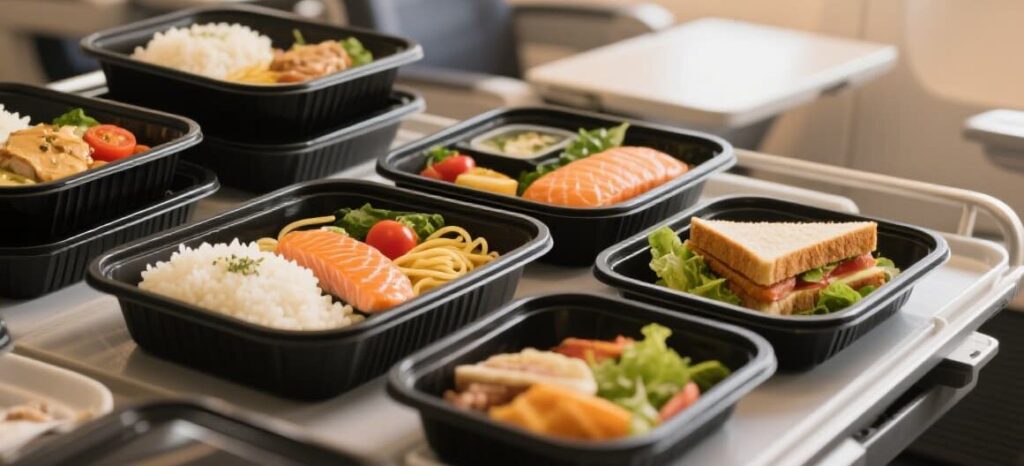
Emirates, a leader in the aviation industry, has been at the forefront of incorporating sustainable packaging solutions into its in-flight services. The airline has adopted CPET meal trays for several years, citing their heat resistance, durability, and eco-friendliness as key factors in their choice. The airline uses CPET trays for both economy and premium-class meals, ensuring that passengers receive high-quality meals that are served at the ideal temperature.
10.2. Lufthansa
Lufthansa is another airline that has made significant strides in adopting sustainable packaging materials. The airline’s catering division switched to CPET trays to offer greener packaging while maintaining the integrity and quality of its meals. Lufthansa also collaborates with its suppliers to increase the use of recycled CPET in its tray production, aligning with its corporate sustainability goals.
10.3. Delta Airlines
Delta has been committed to improving its environmental footprint and customer experience. The airline uses CPET meal trays for long-haul flights, with a focus on reducing waste and optimizing operational efficiencies. Delta’s adoption of CPET trays has been a key part of its strategy to provide premium in-flight dining experiences for passengers while adhering to sustainable practices.
11. Conclusion
CPET airline meal trays represent a significant advancement in the evolution of in-flight food packaging. They offer a balanced combination of heat resistance, moisture protection, sustainability, and consumer appeal—making them the go-to choice for many airlines around the world. While challenges exist, particularly related to cost and sourcing, the advantages of CPET far outweigh the drawbacks. Airlines that continue to adopt CPET are likely to see improvements in customer satisfaction, cost savings, and environmental performance.
As the demand for sustainable packaging solutions grows, CPET will continue to play a crucial role in shaping the future of airline meal packaging. With innovations in recycled materials, smart packaging, and sustainability initiatives, CPET meal trays will remain a central part of the airline catering landscape for years to come.
Frequently Asked Questions (FAQs)
What is CPET, and how is it used in airline meal trays?
CPET (Crystallized Polyethylene Terephthalate) is a high-performance plastic used in the manufacturing of durable, heat-resistant, and eco-friendly meal trays for airlines. It is preferred for its ability to withstand high temperatures, moisture, and grease, making it ideal for in-flight meals.Why is CPET preferred over other materials like PET or aluminum for airline meal trays?
CPET offers superior heat resistance, moisture protection, and sustainability compared to PET and aluminum. Unlike foam, CPET is recyclable and provides better food safety by maintaining the structural integrity of the meal tray.Are CPET airline meal trays environmentally friendly?
Yes, CPET is fully recyclable and contributes to a lower carbon footprint compared to non-recyclable materials like foam and aluminum. Airlines adopting CPET are aligned with sustainable packaging trends and reducing waste.Can CPET trays withstand high temperatures in flight catering?
Yes, CPET trays are designed to withstand temperatures of up to 220°C (428°F), making them ideal for heating meals in ovens or microwaves during flight.What are the cost advantages of using CPET trays for airlines?
CPET trays provide cost savings over time due to their durability and reusability, leading to fewer replacements and lower long-term operating costs. Their lightweight design also helps reduce fuel consumption on flights.Are CPET meal trays safe for food contact?
Yes, CPET is non-toxic and complies with global food safety standards such as FDA approval and EU regulations for food contact materials.How can airlines customize CPET trays to reflect their brand?
CPET trays can be customized in terms of size, compartments, and color. Airlines can also print logos and other branding elements directly onto the trays to enhance the passenger experience and strengthen their brand identity.
References
Sustainable Packaging Coalition. “Recyclability of CPET and the Future of Food Packaging Materials.”
Environmental Protection Agency (EPA). “The Benefits of Recycling CPET.”
European Union Plastics Directive. “EU Regulations on Plastics and Packaging Waste.”
Food and Drug Administration (FDA). “Food Contact Substances and Regulations.”
Lufthansa Catering. “Sustainable Practices in Airline Catering: Shifting to Eco-friendly Packaging.”
Copyright Statement
© 2026 Dashan Packing. All rights reserved.
This article is an original work created by the Dashan Packing editorial team.
All text, data, and images are the result of our independent research, industry experience,
and product development insights. Reproduction or redistribution of any part of this content
without written permission is strictly prohibited.
Dashan Packing is committed to providing accurate, evidence-based information and
to upholding transparency, originality, and compliance with global intellectual property standards.


评论
发表评论