Current Trends in Food Packaging Materials in Russia: A Comprehensive Analysis

Quick Summary:
The Russian food packaging industry has experienced significant transformations over the past decade, driven by changing consumer preferences, technological advancements, environmental concerns, and global market trends. Traditional plastics remain widely used, yet sustainable and biodegradable alternatives are gaining traction. This article explores the most popular food packaging materials in Russia, their applications, market share, innovations, and challenges.
Introduction
Food packaging is a critical aspect of the food supply chain, providing protection, shelf-life extension, and convenience to consumers. In Russia, the industry has grown steadily due to rising urbanization, increasing e-commerce food delivery, and government initiatives promoting sustainability. The materials used in food packaging vary widely—from traditional plastics like PET, PP, and PS to innovative biodegradable materials like PLA and bagasse. Understanding current trends helps businesses, policymakers, and consumers make informed choices.
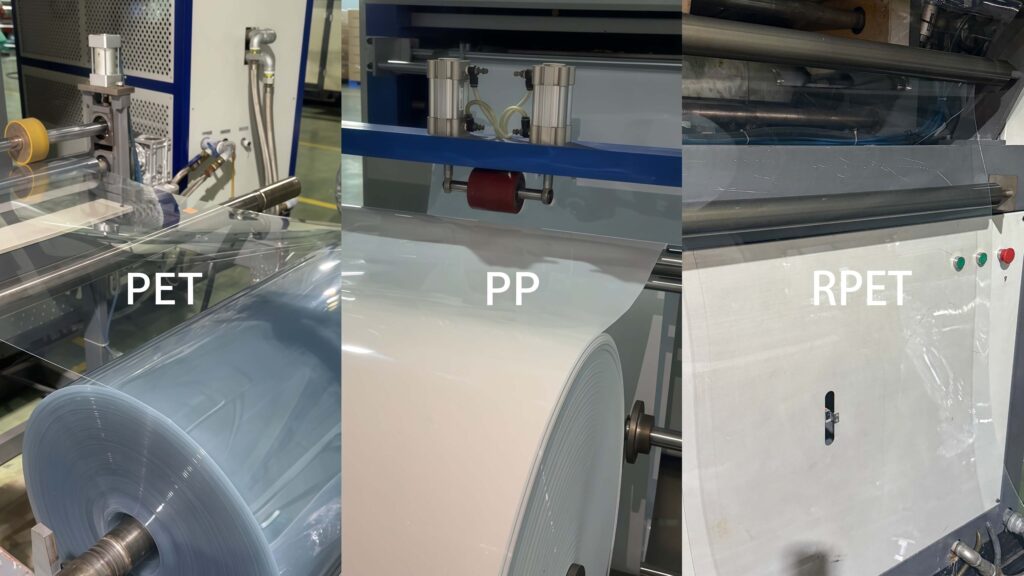
1. Plastic Packaging in Russia
Plastic continues to dominate the Russian food packaging market due to its affordability, versatility, and durability. Common plastic materials include:
1.1 Polyethylene Terephthalate (PET)
PET is widely used for beverages, salads, and ready-to-eat meals. Its popularity in Russia is due to:
High clarity and transparency, appealing to consumers.
Resistance to moisture and gas, extending product shelf life.
Lightweight nature, reducing transportation costs.
Market Data Table – PET Usage in Russia (2025 estimates)
| Product Type | Market Share (%) | Annual Consumption (million tons) | Key Suppliers |
|---|---|---|---|
| Bottled Water & Beverages | 35 | 1.2 | Coca-Cola HBC, PepsiCo Russia |
| Ready-to-Eat Salads | 12 | 0.4 | Xiamen Dashan, Local Suppliers |
| Dairy Products | 10 | 0.35 | Danone Russia, Local Producers |
1.2 Polypropylene (PP)
PP is popular in Russia for its heat resistance, making it ideal for microwavable meals, soups, and bakery items.
Transparent and food-safe.
Suitable for hot food applications.
Recyclable under local waste management schemes.
1.3 Polystyrene (PS) and Expanded PS (EPS)
PS and EPS are commonly used for disposable cups, plates, and trays. Despite their cost-effectiveness, environmental concerns are pushing some producers to replace them with biodegradable alternatives.
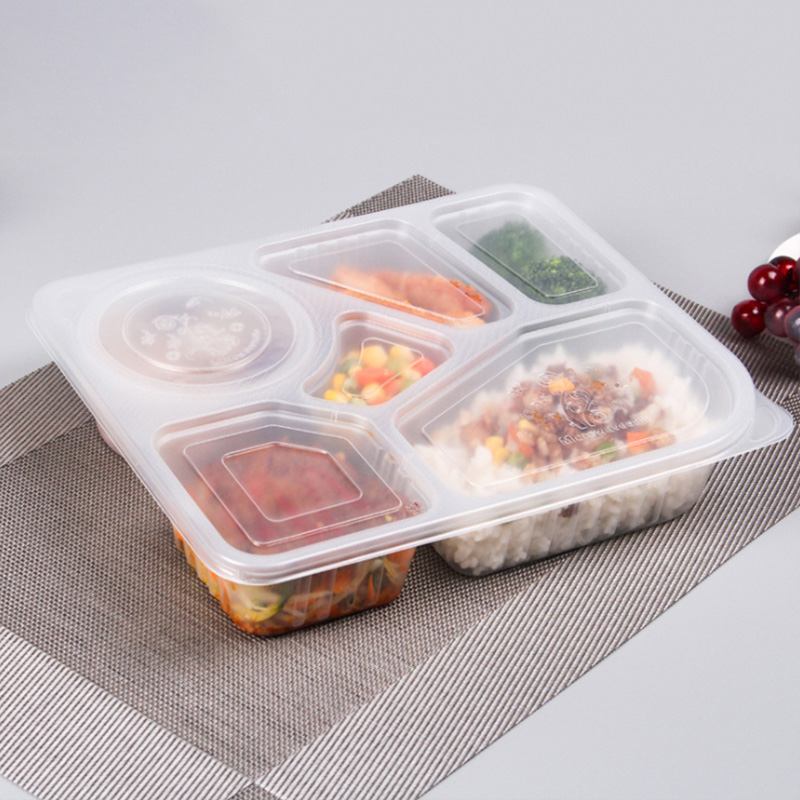
2. Biodegradable and Eco-Friendly Materials
Sustainability has become a major focus in Russia, especially in urban areas like Moscow and St. Petersburg. Consumers increasingly demand eco-friendly packaging that reduces plastic waste.
2.1 Polylactic Acid (PLA)
PLA, derived from corn starch or sugarcane, is used for cups, containers, and trays.
Fully compostable under industrial conditions.
Transparent like conventional plastics, maintaining visual appeal.
Limited heat resistance, suitable only for cold or room-temperature foods.
2.2 Bagasse (Sugarcane Fiber)
Bagasse-based packaging is gaining popularity for takeaway meals, desserts, and lunch boxes.
Strong and durable, with excellent heat tolerance.
Biodegradable and compostable.
Often coated with a thin layer of PLA or other food-safe films to enhance moisture resistance.
2.3 Paperboard with Coatings
Paperboard packaging with water- and grease-resistant coatings remains common for bakery items, frozen foods, and retail packaging.
Recyclable and widely accepted in municipal recycling schemes.
Often combined with PLA or PE coatings for durability.
Market Data Table – Biodegradable Packaging in Russia (2025 estimates)
| Material | Market Share (%) | Key Applications | Leading Suppliers |
|---|---|---|---|
| PLA | 5 | Cups, Cold Meal Trays | Xiamen Dashan, Local |
| Bagasse | 7 | Takeaway Boxes, Trays | Local Manufacturers |
| Paperboard | 8 | Bakery, Frozen Foods | Mondi, Smurfit Kappa |

3. Glass Packaging
Glass remains a premium choice for beverages, sauces, and jams. It is favored for its inert nature, recyclability, and premium appearance.
Heavy and breakable, limiting convenience.
Fully recyclable without quality loss.
Market share stable but niche-focused.
4. Metal Packaging
Metal containers, primarily aluminum and tinplate, are used for canned foods, beverages, and ready-to-eat meals.
Excellent barrier properties against oxygen and light.
Long shelf life for preserved foods.
Increasingly used for sustainable beverage cans in Russia.
5. Hybrid and Multi-Layer Packaging
Multi-layer films combine plastics, aluminum foils, and paper to provide excellent barrier properties.
Used for dairy, sauces, and confectionery.
Allows extended shelf life but complicates recycling.
Recycling infrastructure is improving slowly in Russia.
6. Market Trends and Innovations
Shift Toward Sustainable Packaging
The Russian government has introduced policies encouraging recyclability and reducing single-use plastics. Many brands are adopting PLA cups, bagasse trays, and paper-based alternatives.E-commerce and Delivery Packaging Growth
The rise of food delivery services has increased demand for lightweight, leak-resistant, and microwaveable containers.Smart and Functional Packaging
Innovations include active packaging that extends shelf life and anti-fraud labels to prevent counterfeiting.
7. Challenges in the Russian Market
Recycling Infrastructure: Russia’s recycling network is limited; only 10–15% of plastics are recycled effectively.
Consumer Awareness: Sustainable packaging adoption is still lower outside metropolitan areas.
Import Dependencies: Many eco-friendly materials are imported, impacting costs and availability.
Regulatory Compliance: Packaging must meet GOST standards and EU-Russia import/export requirements.
8. Case Studies
8.1 Dashan PLA Salad Boxes in Moscow
Xiamen Dashan supplies PLA salad boxes to several premium supermarkets in Moscow. Benefits observed:
Reduced single-use plastic footprint.
Maintained aesthetic appeal due to transparency.
Fully compostable in local industrial facilities.
8.2 Bagasse Takeaway Trays in St. Petersburg
Local restaurants have adopted bagasse trays for delivery services:
Heat tolerance up to 100°C.
Composted along with organic waste.
Improved brand perception among eco-conscious consumers.
9. Comparative Table of Packaging Materials
| Material | Advantages | Limitations | Typical Applications |
|---|---|---|---|
| PET | Lightweight, transparent | Non-biodegradable | Beverages, salads |
| PP | Heat resistant, recyclable | Limited transparency | Microwavable meals |
| PLA | Biodegradable, transparent | Not suitable for hot foods | Cold drinks, salads |
| Bagasse | Compostable, heat-tolerant | Requires industrial composting | Takeaway boxes, trays |
| Paperboard | Recyclable, cost-effective | Needs coatings for moisture | Bakery, frozen foods |
| Glass | Inert, premium look | Heavy, fragile | Beverages, sauces |
| Metal | Excellent barrier, durable | Limited flexibility | Canned foods, beverages |
10. FAQs
Q1: What is the most widely used food packaging material in Russia?
A1: Plastics, particularly PET, PP, and PS, dominate due to cost-effectiveness and versatility.
Q2: Are biodegradable materials popular in Russia?
A2: Yes, PLA, bagasse, and coated paperboard are growing in popularity, especially in urban and eco-conscious markets.
Q3: Can PLA withstand hot foods?
A3: PLA is suitable only for cold or room-temperature foods; it cannot tolerate hot liquids.
Q4: How much of Russian plastic packaging is recycled?
A4: Approximately 10–15% of plastic packaging is recycled effectively due to infrastructure limitations.
Q5: Are glass and metal still relevant in Russia?
A5: Yes, they remain niche choices for premium products and long shelf-life items.
Q6: Which companies lead eco-friendly packaging supply in Russia?
A6: Xiamen Dashan (PLA and PET), Mondi (paperboard), and local bagasse manufacturers are key suppliers.
Q7: What are major challenges in switching to sustainable packaging?
A7: High cost, limited domestic supply, and consumer adoption outside major cities.
11. Conclusion
The Russian food packaging market is evolving, balancing traditional plastic usage with sustainable alternatives. Plastics remain dominant for cost and convenience, but the rise of PLA, bagasse, and paperboard reflects consumer and regulatory pressures for eco-friendly solutions. Companies like Xiamen Dashan are at the forefront, providing innovative, sustainable, and customizable packaging to meet the growing demand.
References
Russian Packaging Market Overview
PLA Packaging Market Data – European Bioplastics
Bagasse Packaging in Russia – Local Industry Reports, 2025
Food Packaging Regulatory Standards – GOST, Russia
PET and PP Usage in Russia – Beverage Industry Report, 2024
Xiamen Dashan Product Information: https://www.dashanpacking.com/
Copyright Statement
© 2026 Dashan Packing. All rights reserved.
This article is an original work created by the Dashan Packing editorial team.
All text, data, and images are the result of our independent research, industry experience,
and product development insights. Reproduction or redistribution of any part of this content
without written permission is strictly prohibited.
Dashan Packing is committed to providing accurate, evidence-based information and
to upholding transparency, originality, and compliance with global intellectual property standards.


评论
发表评论