Global Frozen Food Packaging Lines Market: Trends, Opportunities, and Applications with Xiamen Dashan Solutions

Quick Summary
The global frozen food packaging industry is experiencing rapid growth, driven by increasing consumer demand for convenience, safety, and high-quality ready-to-eat meals. Automation, digitalization, and sustainable packaging solutions are becoming central to packaging line investments. This article provides a detailed analysis of the global frozen food packaging lines market, including market size, growth trends, regional dynamics, material usage, automation levels, technological innovations, and the practical applications of Xiamen Dashan’s food packaging solutions.
1. Introduction: Evolution of Frozen Food Packaging
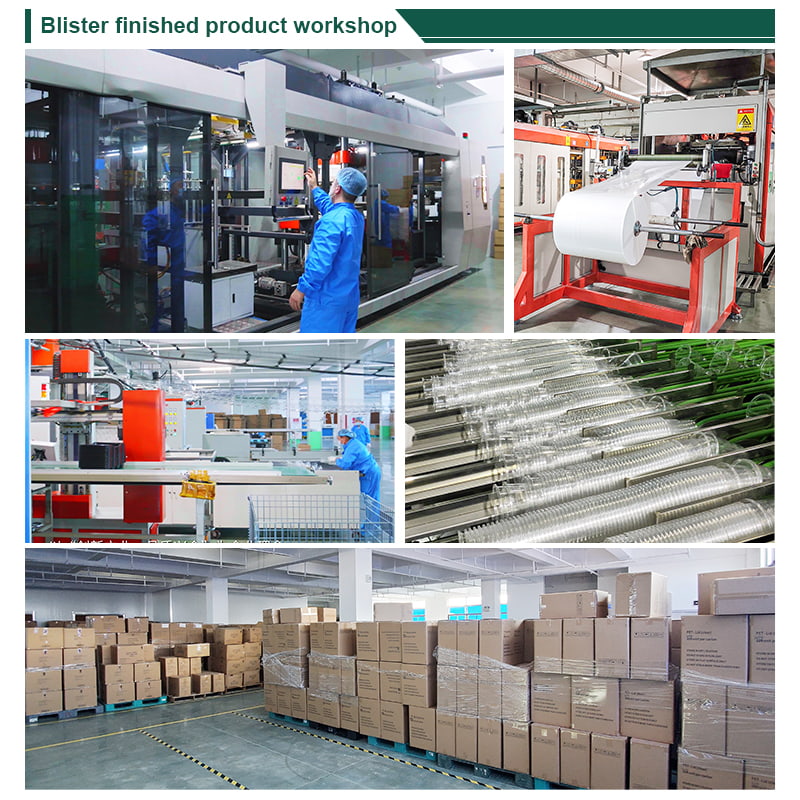
Frozen food packaging lines are complex, integrated systems designed to handle frozen products from raw material input to palletizing while maintaining product quality, hygiene, and efficiency. Unlike individual packaging machines, these lines incorporate multiple steps: weighing, forming, filling, sealing, labeling, boxing, and palletizing. High-level automation minimizes human intervention, reduces contamination risk, ensures consistency, and increases production speed.
The growing global demand for ready-to-eat meals, pre-portioned frozen foods, and convenient household cooking solutions has elevated the importance of efficient frozen food packaging lines. Xiamen Dashan provides PET, RPET, CPET, PP, and PLA packaging solutions specifically designed for frozen meats, vegetables, pastries, and desserts, combining safety, sustainability, and operational efficiency.
2. Global Market Overview
2.1 Market Size and Growth
The global frozen food packaging lines market has seen steady growth over the last decade, supported by increasing consumer adoption of frozen meals, labor shortages, hygiene standards, and the expansion of e-commerce frozen food delivery. Analysts project the market to grow from approximately $4.5 billion in 2021 to over $10 billion by 2032, reflecting a robust CAGR of 7–8.5%.
Table 1: Global Frozen Food Packaging Line Market Size and Growth (2021–2032)
| Year | Market Size (USD Billion) | CAGR (%) |
|---|---|---|
| 2021 | 4.5 | – |
| 2022 | 4.8 | 6.7 |
| 2023 | 5.1 | 6.3 |
| 2024 | 5.5 | 7.1 |
| 2025 | 5.9 | 7.3 |
| 2026 | 6.4 | 8.5 |
| 2027 | 6.9 | 8.0 |
| 2030 | 8.7 | 7.9 |
| 2032 | 10.2 | 7.6 |
Growth is driven by multiple factors:
Rising consumption of frozen foods worldwide due to urbanization and busy lifestyles.
Labor shortages, prompting adoption of fully automated packaging lines.
Increased focus on hygiene, safety, and regulatory compliance.
Expansion of small-package frozen food delivery through e-commerce channels.
2.2 Regional Market Trends
North America: Mature markets with high labor costs focus on upgrading existing packaging lines to improve efficiency and reduce manual labor dependency. The demand for recyclable and reduced-plastic packaging is growing, driving innovation in materials and automation systems.
Europe: Similar to North America, Europe emphasizes regulatory compliance and sustainable packaging adoption. Packaging lines are being upgraded to integrate recycled materials, improve energy efficiency, and meet strict hygiene standards.
Asia-Pacific: The fastest-growing region, driven by rapid urbanization, changing lifestyles, and increasing frozen food consumption. China, India, and Southeast Asia are key markets, with new factories requiring fully automated packaging solutions for high-speed production and consistent quality.
Other Regions: Emerging markets show moderate but steady growth, supported by infrastructure investments, expansion of the food processing industry, and initiatives to reduce food waste.
3. Product Types and Automation Levels
Frozen food packaging lines are generally categorized by automation level, reflecting the degree of human intervention required.
Fully Automatic Lines: These lines handle all steps from raw material input to palletizing, ideal for high-volume production in large factories. They reduce labor costs, minimize contamination risk, and maximize throughput.
Semi-Automatic Lines: Combine automated processes with manual intervention, offering flexibility and lower initial investment. Suitable for small- to medium-sized enterprises producing multiple products or smaller batch sizes.
Applications by Frozen Food Category:
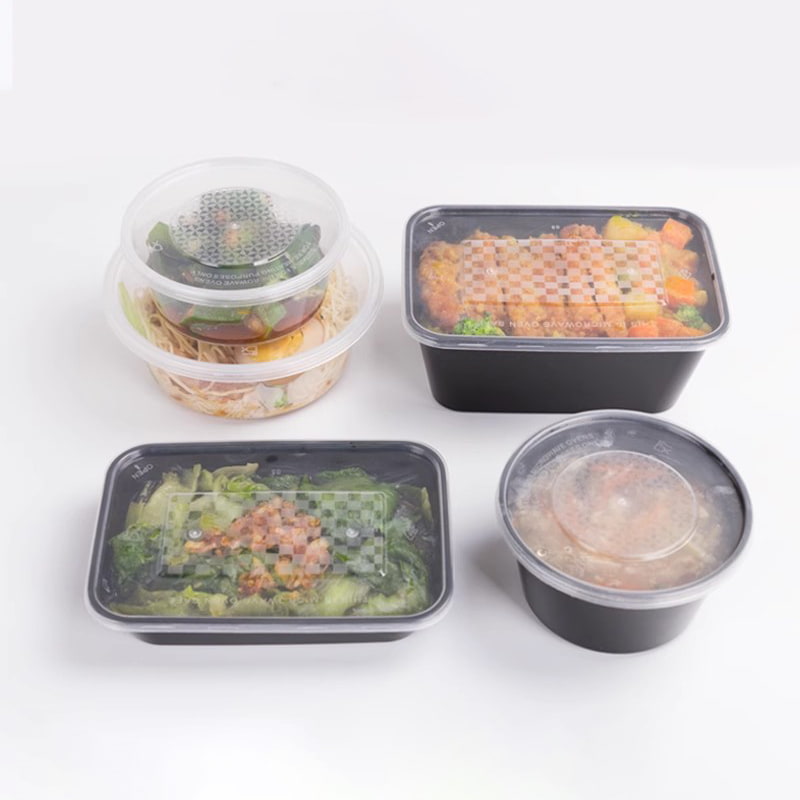
Frozen Meat: Requires precise weight standardization and strict hygiene protocols. CPET trays and PP portion containers are commonly used for portion control and heat tolerance where required.
Frozen Vegetables: Products vary in size and shape, necessitating vision-based sorting systems. PET and RPET trays provide transparency for inspection and support sustainable packaging goals.
Frozen Pastries & Breads: Fragile products require gentle handling and rapid packaging. PP and PET boxes with fitted lids maintain product integrity and prevent deformation during freezing and shipping.
4. Materials Comparison and Applications
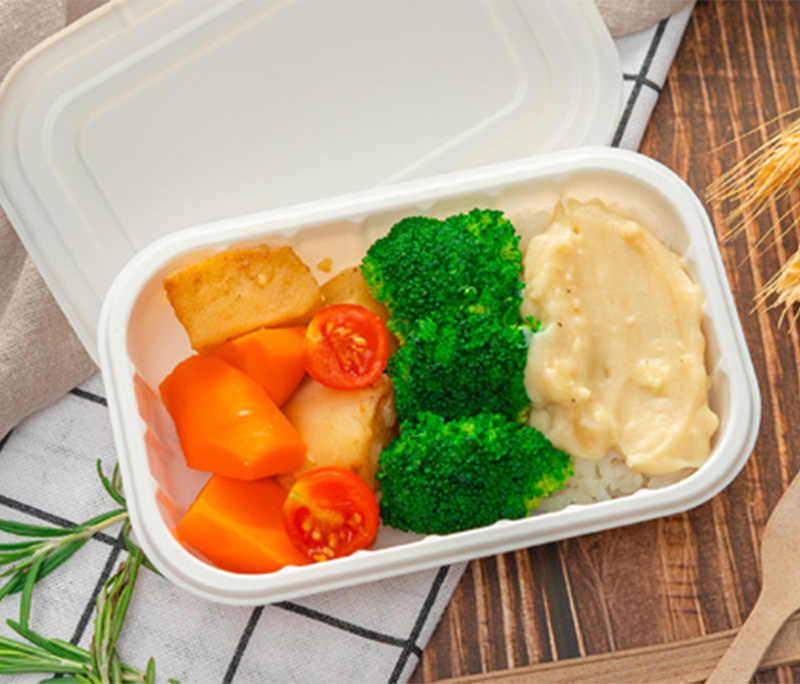
Material selection significantly affects frozen food shelf life, consumer appeal, and sustainability. Xiamen Dashan offers a range of materials to suit diverse frozen food applications:
Table 2: Material Performance and Applications in Frozen Food Packaging
| Material | Temp Range | Recyclability | Application | Dashan Products |
|---|---|---|---|---|
| PET | -40°C to 60°C | Recyclable | Frozen vegetables, meat | PET salad boxes, sushi trays |
| RPET | -40°C to 60°C | Recycled PET | Sustainable frozen food | RPET trays, lids |
| CPET | -40°C to 220°C | Recyclable | Ovenable frozen meals | CPET ovenable trays |
| PP | -20°C to 120°C | Recyclable | Frozen desserts, meat portions | PP bowls, compartment trays |
| PLA | -20°C to 40°C | Biodegradable | Cold frozen food items | PLA cold cups, dessert cups |
Insights:
CPET: Ideal for ovenable meals due to high heat tolerance.
PET/RPET: Provide transparency, allowing consumers to inspect frozen products visually.
PP: Lightweight and leak-resistant, suitable for multi-compartment meals.
PLA: Biodegradable and plant-based but suitable only for cold items due to low heat tolerance.
5. Technological Innovations
Modern frozen food packaging lines increasingly rely on advanced technologies:
AI & Vision Systems: Real-time defect detection, sorting, and inspection improve product quality and reduce waste.
IoT Integration: Monitoring equipment effectiveness, predictive maintenance, and data-driven production optimization.
Flexible Recipe Handling: Supports rapid changeovers for multi-product lines, enabling high efficiency for seasonal or varied product ranges.
Sustainability Integration: Use of recycled PET, RPET, and biodegradable PLA to minimize environmental impact.
Dashan’s PET and RPET trays integrate seamlessly into fully automated lines, ensuring high hygiene standards and quality control. CPET trays withstand oven temperatures without deformation, making them suitable for ready meals requiring reheating.
6. Dashan Packaging Product Applications
PET & RPET Trays: Transparent, lightweight, stackable; ideal for frozen vegetables, salads, sushi, and ready-to-eat meals. RPET options support eco-conscious packaging initiatives.
CPET Meal Trays: Ovenable, heat-resistant, leak-proof lids; suitable for frozen meals needing reheating; ideal for airline catering and retail frozen meals.
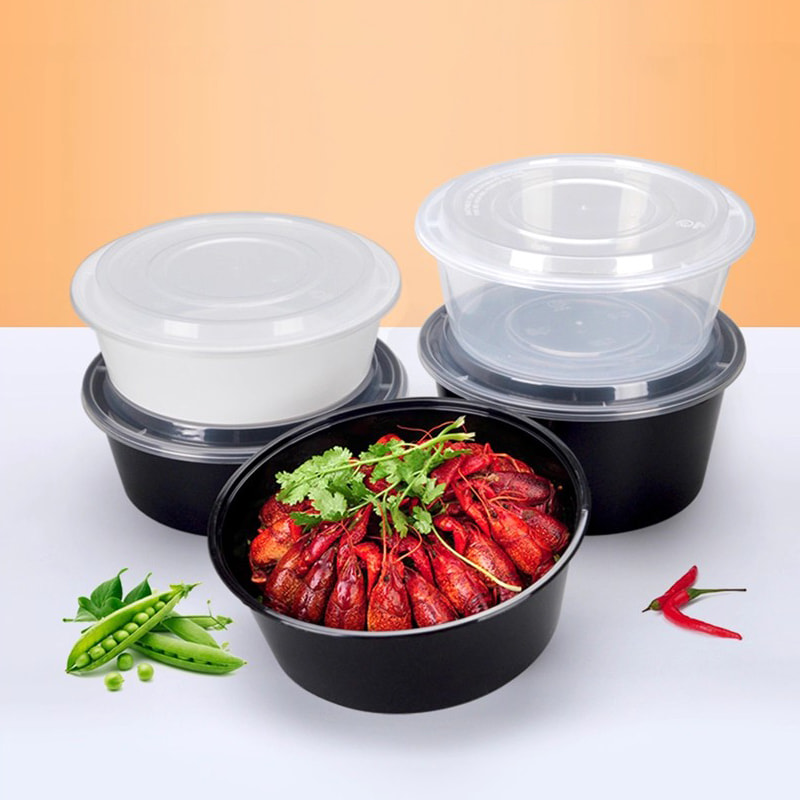
PP Bowls & Trays: Multi-compartment, portion-controlled; used for meat portions, desserts, and side dishes.
PLA Cups: Biodegradable, plant-based; only suitable for cold frozen items and beverages; transparent and customizable in size.
7. Market Drivers and Growth Opportunities
Increasing urbanization and busy lifestyles are boosting frozen food consumption.
Labor shortages are encouraging the adoption of fully automated lines.
Regulatory pressures on hygiene and sustainability are shaping packaging standards.
Growth in e-commerce and small-package frozen food delivery is driving innovation in line design and packaging formats.
8. Detailed Regional Analysis and Opportunities
North America & Europe: Focus on efficiency upgrades, automation, and digital monitoring. Sustainability and recyclable packaging are increasingly prioritized.
Asia-Pacific: Fastest growth, driven by urbanization, changing consumer habits, and new factory installations. China, India, and Southeast Asia are leading growth markets.
Other Regions: Moderate but steady growth, supported by food processing industry expansion and initiatives to reduce food waste.
9. FAQ: Global Frozen Food Packaging Lines
What is a frozen food packaging line?
A system automating weighing, forming, filling, sealing, labeling, boxing, and palletizing frozen food while maintaining quality and hygiene.What are the main automation levels?
Fully automatic (minimal human intervention) and semi-automatic (partial manual operation).Which materials are suitable for frozen food?
CPET for ovenable meals, PET/RPET for transparency, PP for multi-compartment meals, PLA for cold frozen items.How does automation improve safety?
Reduces human contact, minimizes contamination risk, ensures consistent portioning and sealing.Can PLA cups handle hot frozen items?
No, PLA cups are suitable only for cold items.Which regions are growing fastest?
Asia-Pacific, particularly China, India, and Southeast Asia.What innovations are shaping packaging lines?
AI & vision systems, IoT integration, flexible recipe handling, sustainable materials adoption.
10. Conclusion
The global frozen food packaging line market is a strategic component of the modern food supply chain, integrating automation, sustainability, and efficiency. Xiamen Dashan products—including PET, RPET, CPET, PP, and PLA—offer safe, eco-friendly, and versatile packaging solutions. Fully automated lines integrated with Dashan products reduce labor costs, ensure consistent quality, and support compliance with evolving regulatory and sustainability standards.
11. References
Global Info Research. Frozen Food Packaging Line Market 2026-2032.
MarketsandMarkets. Frozen Food Packaging Market Report.
Grand View Research. Frozen Food Packaging Trends.
Xiamen Dashan Packaging Official Website.
Smithers Pira. Automation in Food Packaging.
Copyright Statement
© 2026 Dashan Packing. All rights reserved.
This article is an original work created by the Dashan Packing editorial team.
All text, data, and images are the result of our independent research, industry experience,
and product development insights. Reproduction or redistribution of any part of this content
without written permission is strictly prohibited.
Dashan Packing is committed to providing accurate, evidence-based information and
to upholding transparency, originality, and compliance with global intellectual property standards.


评论
发表评论