The Comprehensive Guide to PP Disposable Cups: Applications, Innovations, and Market Insights

Quick Summary:
PP disposable cups have become a staple in the foodservice industry due to their durability, versatility, and cost-effectiveness. From cold beverages to hot soups, PP cups are revolutionizing the way businesses serve consumers. This guide explores their applications, market trends, sustainability considerations, and practical innovations, providing data-driven insights and global case studies.
Introduction
Polypropylene (PP) is a thermoplastic polymer widely adopted in packaging and foodservice industries due to its exceptional properties: high heat resistance, chemical stability, lightweight structure, and recyclability. In disposable cups, PP has emerged as a highly reliable material, outperforming alternatives like polystyrene (PS) and polyethylene (PE) in specific applications.
The global disposable cup market continues to expand, driven by growing demand in coffee chains, fast-food outlets, and delivery services. PP cups not only meet functional requirements but also align with evolving consumer expectations regarding convenience, hygiene, and sustainability.
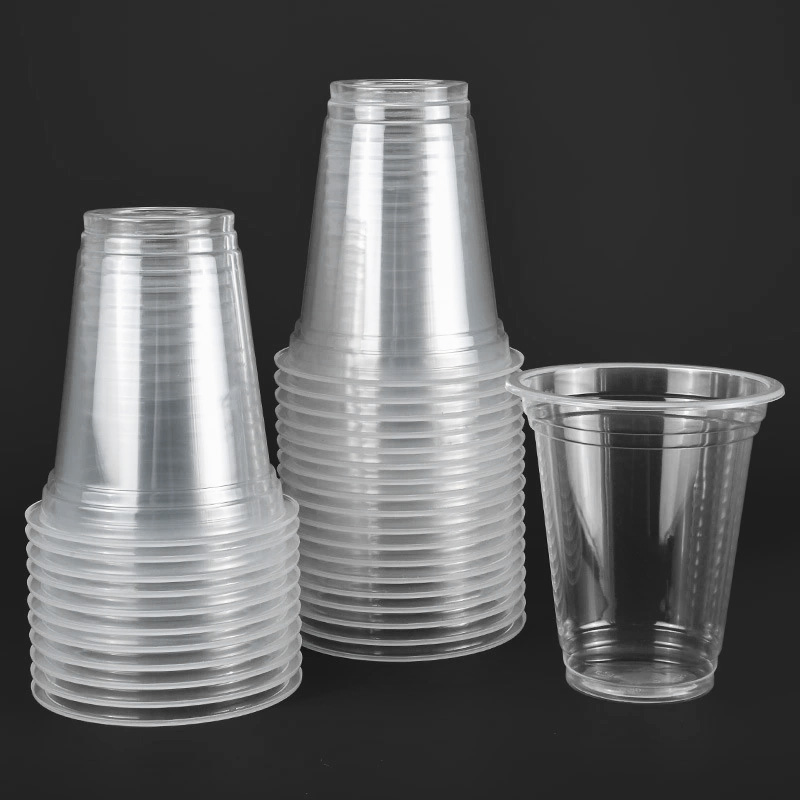
Material Characteristics of PP Cups
- Heat Resistance: PP can withstand temperatures up to 120°C, making it ideal for both hot and cold beverage applications.
- Chemical Resistance: PP resists acids, bases, and oils, which is essential for beverages like fruit juices, coffee, or soups.
- Lightweight: PP cups are lighter than glass or ceramic, reducing shipping and storage costs.
- Recyclability: PP is recyclable under standard facilities, making it more environmentally friendly than certain non-recyclable plastics.
Table 1: Comparative Properties of Common Disposable Cup Materials
| Property | PP (Polypropylene) | PS (Polystyrene) | PE (Polyethylene) | PLA (Polylactic Acid) |
|---|---|---|---|---|
| Heat Resistance | Up to 120°C | 70–90°C | 80–100°C | 60–70°C |
| Chemical Resistance | High | Medium | Medium | Medium |
| Transparency | High | High | Medium | Medium |
| Recyclability | High | Low | Medium | High (compostable) |
| Weight | Light | Light | Light | Light |
| Cost | Moderate | Low | Low | High |
Applications of PP Disposable Cups
1. Cold Beverages
PP cups are extensively used for cold beverages, including iced coffee, bubble tea, smoothies, and soft drinks. The material’s rigidity ensures structural integrity during handling, while transparency allows for visually appealing presentations—a key factor in the beverage industry.
Case Study:
A leading bubble tea franchise in Europe switched to PP cups, reporting a 15% increase in customer satisfaction due to clearer cup visibility and improved durability compared to PS cups.
Market Data:
According to Statista, the global cold beverage cup market reached $3.2 billion in 2025, with PP cups accounting for approximately 38% of sales due to durability and sustainability benefits (Statista).

2. Hot Beverages
Despite being commonly associated with cold drinks, PP cups are suitable for hot beverages like coffee, tea, and soup, especially when combined with PP lids. The material resists deformation at elevated temperatures, unlike PS cups, which can warp above 80°C.
Table 2: Maximum Recommended Temperature for Common Disposable Cups
| Cup Material | Maximum Hot Liquid Temperature | Suitable Hot Beverages |
|---|---|---|
| PP | 120°C | Coffee, tea, hot chocolate |
| PS | 90°C | Iced drinks only (not recommended for hot beverages) |
| PE | 100°C | Soups, low-temperature hot drinks |
| PLA | 70°C | Cold beverages only |
Innovation Highlight:
PP cups with double-wall insulation and PP lids enhance heat retention, prevent spills, and allow users to hold cups comfortably without additional sleeves.
3. Soups and Instant Meals
The rising demand for ready-to-eat meals has expanded the use of PP cups for soups, noodles, and porridge. PP’s high temperature tolerance allows manufacturers to package hot meals directly without risk of deformation.
Practical Insights:
- PP cups are commonly designed with inner markings for portion control.
- Leak-resistant PP lids allow safe transportation for delivery services.
Industry Example:
In the US and UK, instant noodle companies have adopted PP cups with tamper-evident lids, ensuring food safety during retail and delivery.
4. Promotional and Marketing Applications
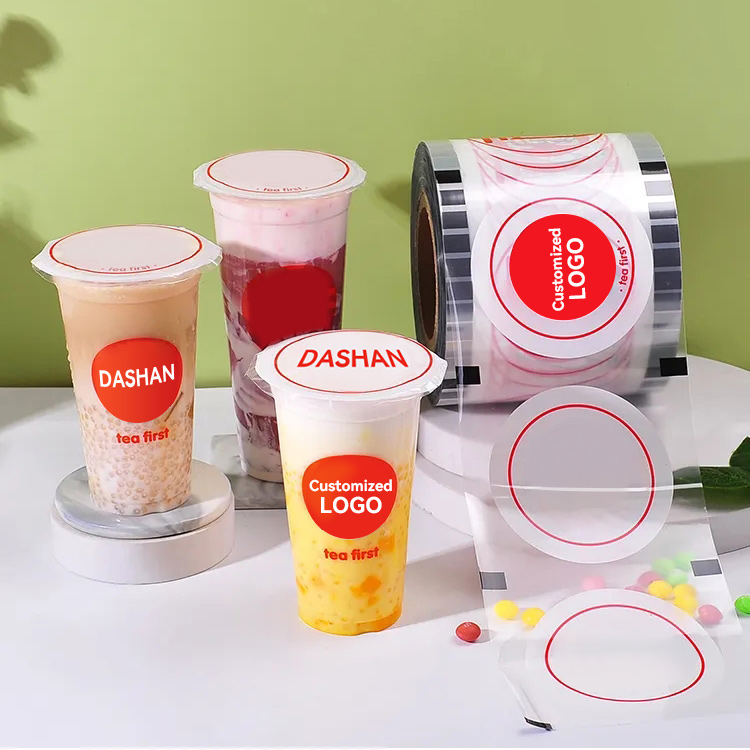
PP cups can be fully customized with printed designs, embossed logos, or transparent patterns. This makes them highly attractive for promotional campaigns, events, and brand recognition.
Table 3: Customization Options for PP Disposable Cups
| Feature | Description |
|---|---|
| Printing | Full-color CMYK, UV-resistant printing |
| Embossing | Logo or pattern embossing |
| Transparent Windows | Clear sections for beverage visibility |
| Sleeve Compatibility | Optional heat-resistant sleeves for hot drinks |
5. Sustainable and Recyclable Applications
With growing environmental awareness, many brands opt for PP cups because of their recyclability. Unlike PS cups, which are often non-recyclable, PP cups can be processed in standard recycling facilities. Combined with biodegradable lids or hybrid packaging, PP cups offer a semi-eco-friendly solution.
Global Trends:
- EU directives encourage the replacement of non-recyclable plastics with recyclable options.
- PP cups are increasingly used in countries with strict single-use plastic regulations.
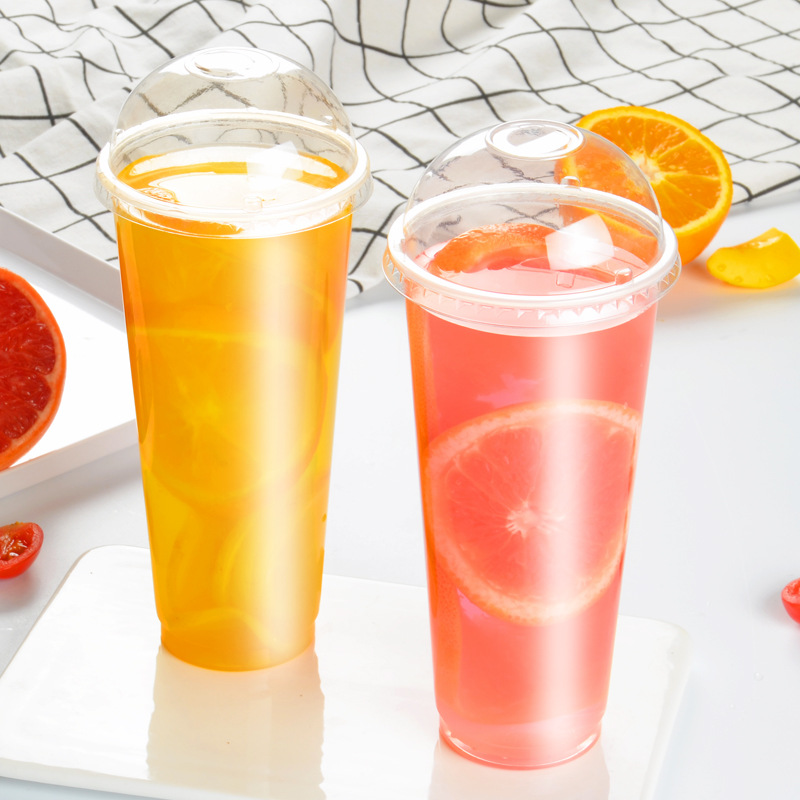
6. Specialized Applications
PP cups are also used in specialized sectors:
- Airline Catering: Lightweight and spill-proof PP cups are preferred for in-flight beverages.
- Hospitality and Catering Events: PP cups reduce cleanup time and waste disposal issues.
- Laboratory or Medical Applications: PP’s chemical resistance allows use in controlled environments for certain liquid handling needs.
Global Case Studies on PP Disposable Cup Applications
1. United States: Fast-Food and Coffee Chains
In the U.S., PP disposable cups are ubiquitous across fast-food restaurants, cafés, and convenience stores. Chains like Starbucks and Dunkin’ have adopted PP cups for cold beverages due to their clarity, durability, and ability to hold ice without cracking.
Key Insights:
- Customer Preference: A 2024 survey by the National Restaurant Association revealed that 72% of customers prefer clear, durable cups that allow them to see their beverages.
- Operational Efficiency: PP cups reduce breakage during storage and transportation compared to glass or ceramic alternatives.
Table 4: U.S. Market Penetration of PP Cups by Segment (2024)
| Segment | Percentage of PP Cup Usage | Notes |
|---|---|---|
| Coffee Shops | 65% | Popular for iced coffee and cold brew |
| Fast-Food Restaurants | 50% | High durability for drive-through |
| Convenience Stores | 35% | Single-serve cold drinks |
| Delivery Platforms | 28% | Lids critical for spill prevention |
2. Europe: Sustainability and Recycling Trends
European markets emphasize sustainability. Many cities have strict single-use plastic regulations, which drive cafés and beverage chains to use recyclable PP cups.
Case Example: A chain in Germany switched from PS to PP cups with recyclable lids, resulting in:
- 20% reduction in non-recyclable plastic waste
- Positive brand perception among eco-conscious consumers
Consumer Insight: Studies show that 64% of European consumers are willing to pay more for environmentally friendly packaging (European Commission, 2023).

3. Asia-Pacific: Convenience and Delivery Focus
In countries like China, Japan, and South Korea, PP cups are widely used for bubble tea, smoothies, and delivery-oriented drinks.
- High-volume operations: PP cups are ideal for automated cup-filling lines in high-demand stores.
- Customization Opportunities: Brands frequently print their logos on PP cups, enhancing brand visibility in crowded markets.
Table 5: Asia-Pacific Usage of PP Cups (2025)
| Country | Main Applications | Market Trend |
|---|---|---|
| China | Bubble tea, smoothies | High customization demand |
| Japan | Cold coffee, juices | Focus on hygiene and visual appeal |
| South Korea | Delivery beverages | Emphasis on spill-proof lids |
Environmental Lifecycle Analysis of PP Cups
PP cups are considered semi-eco-friendly compared to PS or mixed-plastic options. A lifecycle analysis highlights their sustainability advantages:
1. Raw Material Stage: PP is derived from petroleum, but production consumes less energy than PS.
2. Use Phase: PP cups are lightweight, reducing transport emissions.
3. End-of-Life Options:
- Recyclable: Accepted in many municipal recycling programs.
- Landfill: Biodegradation is slow, similar to other plastics.
- Energy Recovery: PP can be incinerated in energy recovery facilities safely.
Table 6: Environmental Impact Comparison of Disposable Cup Materials
| Material | Carbon Footprint (kg CO₂ per 1,000 cups) | Recyclability | Biodegradability |
|---|---|---|---|
| PP | 150 | High | Low |
| PS | 180 | Low | Low |
| PE | 140 | Medium | Low |
| PLA | 120 | High (compostable) | High |
Cost Analysis: PP Cups vs Alternatives
Table 7: Cost Comparison per 1,000 Cups (USD)
| Material | Average Cost (1,000 units) | Durability | Recommended Use |
|---|---|---|---|
| PP | $90 | High | Hot/cold beverages, soups |
| PS | $70 | Medium | Cold beverages only |
| PE | $85 | Medium | Cold/hot beverages, delivery |
| PLA | $120 | Medium | Cold beverages only |
Observations:
- PP cups are slightly more expensive than PS but offer better heat resistance and durability.
- PLA cups are costlier but marketed as fully biodegradable.
Innovations in PP Cup Design
- Double-Wall Cups: Provide insulation for hot beverages and reduce the need for sleeves.
- Tamper-Proof and Leak-Resistant Lids: Essential for delivery and takeout services.
- Smart PP Cups: Integration with QR codes or NFC chips for marketing campaigns and customer engagement.
Example: Japanese café chain uses PP cups with QR codes to allow customers to scan for promotions, driving repeat purchases.
Extended FAQ Section
- Are PP cups safe for hot beverages?
Yes, PP cups can safely hold beverages up to 120°C without deformation. - Can PP cups be recycled?
Yes, polypropylene is recyclable and accepted by most standard recycling facilities. - How are PP cups customized for branding?
PP cups can be printed with CMYK designs, embossed with logos, or feature transparent windows. - Are PP cups better than PLA cups?
PP cups are more heat-resistant and durable; PLA cups are primarily for cold beverages. - What are the typical sizes of PP disposable cups?
Ranges from 100ml (3oz) to 500ml (16oz) for various applications. - Are PP cups microwave-safe?
Yes, for short durations; lids should be vented to prevent pressure buildup. - Can PP cups be used for delivery services?
Yes, with secure lids to prevent spillage and maintain temperature. - Are PP cups BPA-free?
Yes, food-grade PP cups are BPA-free and meet global safety standards. - How long can PP cups maintain beverage quality?
Typically 4–6 hours for hot beverages and longer for cold drinks. - Are PP cups suitable for carbonated beverages?
Yes, they can withstand carbonation pressure better than some PE cups.
Conclusion
Polypropylene (PP) disposable cups have proven to be a versatile, durable, and practical solution for modern foodservice and beverage industries. Their ability to handle both hot and cold beverages, combined with excellent chemical resistance, recyclability, and lightweight design, makes them superior to many traditional cup materials such as polystyrene and polyethylene. Across global markets—from the United States to Europe and the Asia-Pacific region—PP cups have become a preferred choice for coffee shops, fast-food restaurants, bubble tea franchises, and delivery platforms due to their operational efficiency, brand customization potential, and customer-friendly features.
Innovation continues to drive the evolution of PP cups. Designs such as double-wall insulation, tamper-proof lids, and integrated smart technology enhance user experience while supporting branding and marketing initiatives. Meanwhile, the focus on sustainability, including recyclable PP lids and hybrid packaging solutions, aligns with regulatory trends and growing consumer demand for environmentally responsible products.
Market data indicates that the PP disposable cup sector will continue to grow steadily, with applications expanding beyond beverages into ready-to-eat meals and promotional campaigns. Businesses that invest in high-quality PP cups benefit from operational durability, reduced waste, and enhanced brand image. By balancing performance, cost-effectiveness, and eco-conscious practices, PP disposable cups represent a forward-looking solution in the competitive landscape of food packaging.
In summary, PP cups are not merely a functional item—they are a strategic tool for businesses seeking efficiency, sustainability, and customer engagement in the fast-paced foodservice industry. Their adaptability, combined with ongoing innovations, ensures that they will remain an integral part of the global disposable cup market for years to come.
References
- Statista. Disposable Cups Market Share and Forecast.
- Grand View Research. Polypropylene Cups Market Analysis 2025.
- European Commission. Single-Use Plastics Directive.
- Packaging Europe. Trends in Disposable Cups.
- Foodservice Equipment & Supplies. Innovations in Disposable Cup Materials.
- Packaging Insights. Innovative Disposable Cup Designs.
- Food Packaging Forum. Polypropylene Food Packaging Safety.
Copyright Statement
© 2026 Dashan Packing. All rights reserved.
This article is an original work created by the Dashan Packing editorial team.
All text, data, and images are the result of our independent research, industry experience,
and product development insights. Reproduction or redistribution of any part of this content
without written permission is strictly prohibited.
Dashan Packing is committed to providing accurate, evidence-based information and
to upholding transparency, originality, and compliance with global intellectual property standards.


评论
发表评论