How to Choose a Reliable Food Packaging Supplier in China

Quick Answer: What Defines a Reliable Partner?
When you are looking for a reliable food packaging supplier in China, it is crucial to understand that the best partner does not simply equal the one offering the absolute lowest unit price. A truly reliable manufacturer is defined by three non-negotiable pillars: Consistent Batch-to-Batch Quality + Strictly Controlled Lead Times + Mature Export Compliance Experience. Partnering with a factory that masters these three elements is the only way to protect your brand reputation and ensure your supply chain remains unbroken.
The Importer’s Nightmare: Why Supplier Selection Matters
Sourcing wholesale food packaging from overseas is not like buying standard commodities. Food packaging interacts directly with what people eat, and it must survive thousands of miles of rough transit.
Many buyers learn the hard way that a supplier who looks great on an Alibaba storefront can quickly become a procurement disaster. Here are the real-world costs of choosing the wrong packaging manufacturer:
The Leakage Catastrophe: You order 100,000 PP soup bowls. The factory uses a slightly thinner mold or cheapens the resin blend to save pennies. The result? Lids pop off during delivery, causing severe burns, ruined meals, and devastating reviews for your restaurant clients.
The “Golden Sample” Bait & Switch: The pre-production samples are perfect. However, the mass production arrives with visible color variations, flimsy walls, and jagged edges.
Inconsistent Carton Dimensions (CBM): Your warehouse team relies on exact carton sizes to calculate pallet configurations and freight density. A bad supplier frequently changes outer carton sizes without notice, ruining your logistics planning and spiking your shipping costs.
Customs Holds and Fines: Your shipment arrives at the port, but customs demands updated FDA or PFAS-free documentation. Your supplier suddenly goes silent or provides fake, photoshopped SGS reports. Your entire container is seized or destroyed. (To avoid this specific disaster, ensure your supplier understands the rules outlined in our US Food Packaging Regulations 2025–2026: A Complete Supplier Guide).

The China Advantage: Beyond “Cheap Pricing”
Historically, buyers flocked to China strictly for low prices. However, in 2026, the real reason to source from a top-tier China packaging factory is the unmatched ecosystem and supply chain agility.
When you partner with a premium Chinese manufacturer, you are leveraging:
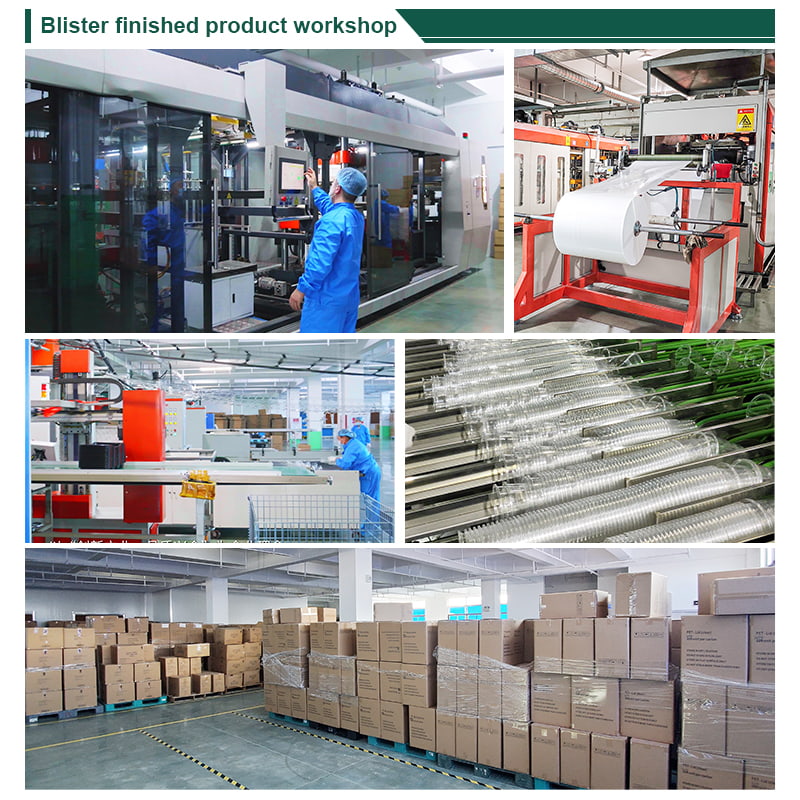
Complete Supply Chain Integration: From raw material sourcing (like specific grades of PET or sugarcane pulp) to in-house mold making and final extrusion, everything happens within a tight geographic radius.
Rapid Prototyping & Customization: Need a custom-embossed logo on a clamshell box? A capable Chinese factory can design, 3D print a prototype, and create the steel production molds in a fraction of the time (and cost) it would take a domestic manufacturer.
Massive Scalability: Whether you need a pilot run of 50,000 units to test a new market or a monthly contract for 5 million units, the infrastructure here can scale with your business growth seamlessly.
What to Check: The Buyer’s Audit Checklist
Before you wire a 30% deposit, you need to audit the supplier thoroughly. A reliable factory will gladly provide transparent answers to the following criteria:
1. Factory Experience & Product Focus
Beware of trading companies disguised as factories that sell everything from electronics to paper cups. You want a specialized manufacturer. Do they deeply understand the nuanced differences in material applications? (For example, can they strategically advise you on when to use PET vs. PP, as we detail in our guide: Bagasse vs Plastic Containers: Which One Should You Import?) ### 2. Sampling Speed & Mold Capability A strong factory has its own mold-making workshop. Ask them: “How long does it take to create a custom sample?” If it takes them 4 weeks just to show you a prototype, their R&D and production lines are likely outsourced or inefficient.
3. MOQ Flexibility and Lead Times
Can they support your growth? A good supplier will offer reasonable Minimum Order Quantities (MOQs) for standard items to help you test the market, while maintaining strict, contractual lead times (usually 15-25 days) for full container loads (FCL).
4. Rigorous Quality Control (QC) Systems
Ask for their QC SOPs (Standard Operating Procedures). A reliable factory doesn’t just check the final product. They should conduct:
Incoming QC: Verifying the purity and food-grade status of raw resins/pulps.
In-Process QC: Hourly checks on the production line for weight consistency, wall thickness, and lid-fit security.
Pre-Shipment QC: Final drop tests, leak tests, and packaging integrity checks before loading the container.
5. Export Coordination & Logistics Support
Do they know how to maximize container space? Do they understand palletizing for Amazon FBA or specific regional warehouse standards? A seasoned export team acts as an extension of your own logistics department, saving you thousands in wasted freight space.
Certifications & Documents: The Non-Negotiables
Do not accept vague assurances like “Yes, we are FDA approved.” In the food packaging industry, documentation is your legal shield. Demand to see the following before placing an order:
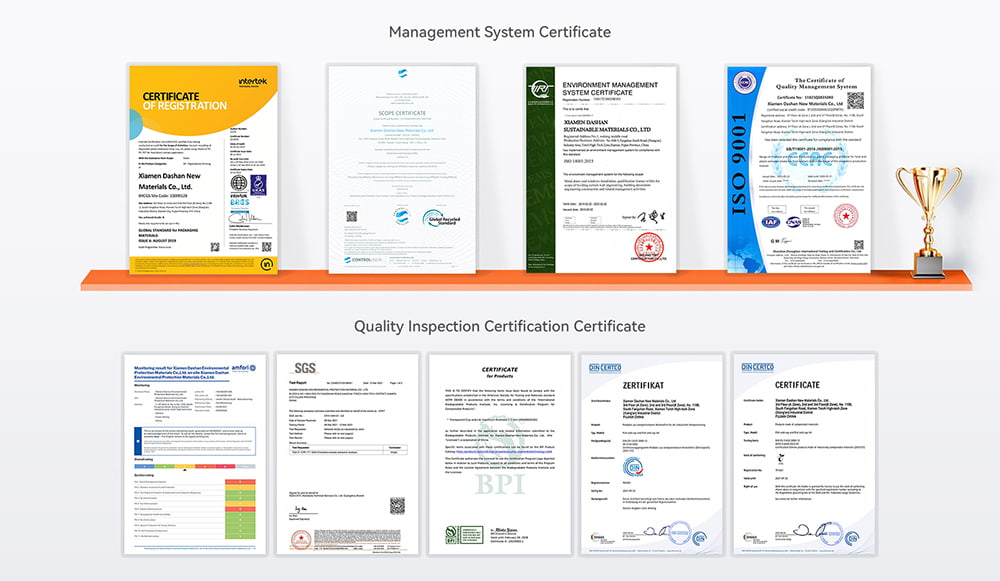
Declaration of Compliance (DoC): A formal document stating the exact materials used and confirming they meet specific destination market standards (e.g., US FDA 21 CFR, EU No 10/2011, or LFGB).
Recent Third-Party Test Reports: Unredacted lab reports from internationally recognized testing bodies (SGS, TUV, Intertek) dated within the last 12-18 months. This should cover overall migration limits, heavy metals, and (crucially for molded fiber) PFAS-Free testing.
Factory Audit Certificates: Look for ISO 9001 (Quality Management), BRCGS (Global Standard for Food Safety), or BSCI (Social Compliance).
Clear Packing Specifications: Exact carton weights, dimensions, and standard labeling formats to ensure smooth customs clearance and warehouse intake.
Red Flags: When to Walk Away from a Supplier
Even after initial discussions, keep an eye out for these warning signs during the negotiation and sampling phases:
 The “Abnormally Low” Quote: If a quote is 20% lower than the market average, they are cutting corners. They are likely using non-food-grade recycled scrap, reducing the product’s gram weight (resulting in flimsy containers), or hiding standard export fees.
Evasive or Slow Communication: If it takes them 48 hours to answer a technical question about lid sealing, or if they constantly say “Don’t worry, we will figure it out later,” imagine how they will react when a container is delayed at the port.
Refusing to Share Unredacted Documents: If a supplier says, “We can only show you the test report after you place the deposit,” walk away immediately.
They Are Just “Order Takers”: A bad supplier just says “yes” to everything to get the sale. A reliable manufacturer will push back, point out design flaws in your custom request, and offer better, more cost-effective engineering solutions.
Conclusion: You Need a Partner, Not a Quoting Machine
Ultimately, choosing a reliable food packaging supplier in China is about risk management. The goal is to build a long-term strategic partnership with a factory that protects your brand, innovates alongside your business, and ensures you sleep soundly knowing your containers will arrive on time and pass every compliance check.
Stop dealing with unpredictable quality and hidden risks.
At Dashan Packing, we don’t just manufacture high-quality, export-ready food containers; we engineer supply chain peace of mind. With over a decade of dedicated food packaging experience, fully certified dust-free workshops, and a rigorous, transparent QC system, we are the trusted factory behind leading global wholesalers and brands.
Ready to upgrade your supply chain? Send us your specifications or current pain points. Contact our export team today for a rapid quote, free high-quality samples, and comprehensive compliance documentation. Let us show you what a reliable partnership looks like.
FAQ: Sourcing Food Packaging from China
1. What is a normal Minimum Order Quantity (MOQ) for food packaging from China? It depends on the material and customization. Standard unprinted items typically require an MOQ of 50,000 to 100,000 pieces per SKU to optimize production line efficiency and keep your unit cost low. Custom-molded or custom-printed items usually have higher MOQs. However, reliable suppliers will often work with you on trial orders to build a long-term relationship.
2. Should I pay for product samples before placing a bulk order? Most reputable factories provide standard stock samples for free, while the buyer only covers the international express shipping cost (e.g., DHL or FedEx). For custom prototypes with specific logos or shapes, a sampling or mold fee is standard, but a reliable partner will often refund this fee once your mass production order reaches a certain volume.
3. What are the standard and safe payment terms? The industry standard for established international trade is a 30% T/T (Telegraphic Transfer) deposit before mass production begins, and a 70% balance paid against the copy of the Bill of Lading (B/L). Be extremely cautious of any supplier demanding 100% upfront payment for a bulk order before production starts.
4. How long does it usually take to develop a custom food container mold? Depending on the complexity, 3D design and initial prototyping take about 1 to 2 weeks. Manufacturing the actual steel production mold takes another 3 to 4 weeks. Always factor in about 45 to 60 days for your very first custom mass production run. Subsequent repeat orders will drop to standard lead times (usually 15-25 days).
5. What happens if the received goods have quality issues or damages? A reliable supplier won’t disappear after the final payment. Professional factories have clear after-sales policies. If defects occur, you should provide detailed photos, videos, and carton batch numbers. A good manufacturer will trace the issue through their QC records and offer free replacements in the next container or credit compensation for the defective ratio. Always confirm the after-sales policy before signing the Proforma Invoice (PI).
References & Authoritative Industry Standards
To ensure our supply chain advice aligns with the highest global benchmarks, Dashan Packing bases its manufacturing and auditing protocols on the standards set by the following authoritative organizations:
International Organization for Standardization (ISO): ISO 9001 Quality Management Systems (The globally recognized standard for evaluating a manufacturer’s consistent quality assurance and operational reliability).
BRCGS (Brand Reputation Compliance Global Standards): Global Standard for Packaging Materials (The industry-leading certification ensuring food contact materials are manufactured in safe, strictly hygienic environments).
U.S. Food and Drug Administration (FDA): Importing Food Contact Substances and Packaging (Official guidelines detailing the mandatory documentation and compliance risks for overseas packaging imports).
SGS Global Testing Services: Food Contact Material Compliance & Verification (The benchmark for unredacted, third-party laboratory testing required for seamless customs clearance).
(Note: The auditing criteria and best practices discussed in this guide are intended to help importers conduct initial supply chain due diligence. Always verify a supplier’s specific certificates and request updated documentation prior to initiating any financial transactions.)
Copyright & Legal Disclaimer
© 2026 Dashan Packing. All rights reserved.
This supplier selection guide and industry compliance checklist is an original work created by the Dashan Packing editorial and export teams. All procurement strategies, quality control insights, and risk management advice are the result of our independent research and extensive manufacturing experience in the global food packaging sector. Reproduction, redistribution, or unauthorized use of any part of this content without explicit written permission from Dashan Packing is strictly prohibited.
Dashan Packing is committed to providing accurate, evidence-based information to assist global buyers in optimizing their supply chains. However, international trade regulations, customs enforcement, and market conditions are dynamic and subject to change. The information provided in this article is intended for general guidance and supply chain due diligence purposes only, and should not be construed as formal legal, financial, or specific customs clearance advice. Always consult with your local legal counsel or a certified customs broker for regulations specific to your destination market.


评论
发表评论