Search Results for: PLA vs. Bagasse: Which Compostable Packaging is Best for Hot Food? (The 2026 Sourcing Guide

Quick Answer: The Reality of Hot Food Delivery
When it comes to hot food, absolutely never use PLA. If you are serving hot soups, fresh-out-of-the-fryer chicken, or steaming pasta, the only reliable, structurally sound eco-friendly choice is Bagasse (sugarcane fiber). While PLA (Polylactic Acid) is a fantastic compostable material, it has a dangerously low heat tolerance. Using PLA for hot meals will result in melted containers, catastrophic spills, and a barrage of 1-star reviews. To build a successful sustainable menu, you must mix and match: use Bagasse for the heat, and PLA for the cold.
1. The Hot Food Trap: A 1-Star Review Nightmare
Imagine this scenario: A successful restaurant decides to overhaul its entire operation to become 100% eco-friendly. Driven by a commitment to sustainability, the procurement manager orders a massive container of premium PLA clamshells and soup bowls, assuming “compostable” means universally applicable.
On a busy Friday night, the kitchen packs a steaming hot order of Pho and a side of crispy fried chicken into the new PLA containers.
By the time the UberEats driver arrives at the customer’s door 30 minutes later, a disaster has unfolded. The intense heat of the broth has caused the bottom of the PLA bowl to warp and completely melt. The hot soup has flooded the thermal delivery bag, ruining the rest of the meal. Meanwhile, the fried chicken inside the airtight PLA clamshell has been steamed into a soggy, unappetizing mess.
The result? The delivery platform automatically issues a full refund, the driver complains, and the customer leaves a brutal 1-star review accompanied by photos of the melted plastic.
This is what we at Dashan Packing call the “Hot Food Trap.” Transitioning to eco-friendly packaging without understanding the fundamental material science of bioplastics is a recipe for operational failure.
2. PLA’s Achilles Heel: The Science of Thermal Deformation
To understand why the disaster above happened, we must look at the chemistry of PLA.
PLA (Polylactic Acid) is a brilliant innovation. Derived from renewable resources like fermented corn starch or sugarcane, it offers glass-like clarity and acts exactly like traditional PET plastic—until it gets hot.
The fatal flaw of standard PLA is its Glass Transition Temperature, which sits at approximately 60°C (140°F).
The Melting Point: When PLA is exposed to temperatures above 60°C, the polymer chains begin to relax. The rigid plastic immediately reverts to a soft, rubbery state.
The Reality of Food Service: Boiling soup is poured at 90°C to 100°C. Freshly fried food can exceed 110°C. Placing these items into a PLA container guarantees immediate structural failure. The bowl will buckle, the lid seal will break, and the bottom may entirely give way.
While CPLA (Crystallized PLA) exists and offers higher heat resistance, it is opaque, brittle, and significantly more expensive. For the vast majority of hot food applications, PLA is simply the wrong tool for the job.
3. The Bagasse Advantage: Heat Insulation and Breathability
If PLA fails under heat, what is the alternative for sustainable restaurants? The undisputed champion of hot food delivery is Bagasse.
Bagasse is a molded pulp material made from the fibrous residue left over after sugarcane stalks are crushed to extract their juice. It is 100% compostable, widely available, and possesses two distinct engineering advantages that make it superior for hot menus:
Extreme Thermal Resistance
Unlike PLA, bagasse is pressed into shape under immense heat and pressure during the manufacturing process. As a result, premium [Bagasse hot food containers] can easily withstand temperatures up to 120°C (248°F).
You can pour boiling soup directly into a bagasse bowl without any fear of warping or melting.
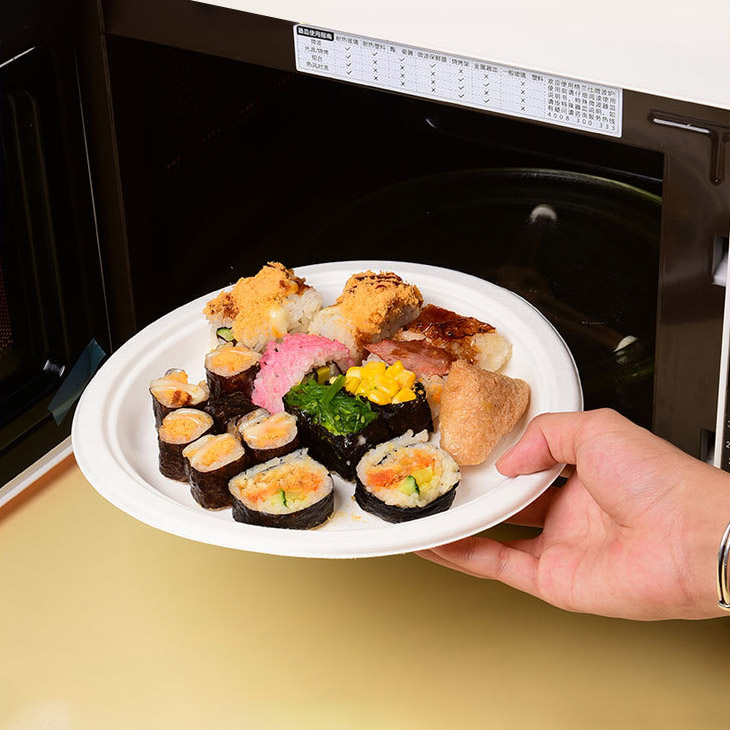
Bagasse is exceptionally microwave-safe. Customers can reheat their leftovers the next day without transferring the food to a ceramic plate.
Insulation: The dense fiber structure of bagasse acts as a natural thermal insulator. Even when filled with boiling liquid, the outside of the bowl remains comfortable to hold, protecting your staff and your customers from burns.
Natural Micro-Pore Breathability (The Anti-Soggy Secret)
This is the hidden superpower of Bagasse. Traditional plastics (and PLA) create a hermetic seal. When you put hot, fried food into a plastic clamshell, the steam is trapped. It condenses on the lid and drips back down, turning crispy fries and fried chicken into a soggy disappointment.
Bagasse is naturally breathable. Its fibrous matrix contains microscopic pores that allow excess steam and moisture to escape while retaining the core heat of the meal. This breathability ensures that fried foods maintain their crucial crunch from the kitchen all the way to the customer’s dining table.
4. The Mix & Match Strategy: Building Your Eco-Matrix
The most common mistake procurement managers make is seeking a “silver bullet”—a single material to package their entire menu. In the world of eco-friendly packaging, this does not exist.
The secret to a flawless, 100% sustainable delivery operation is the “Mix & Match” Strategy. You must pair the right material with the right thermodynamic environment.
The Golden Rules of Procurement:
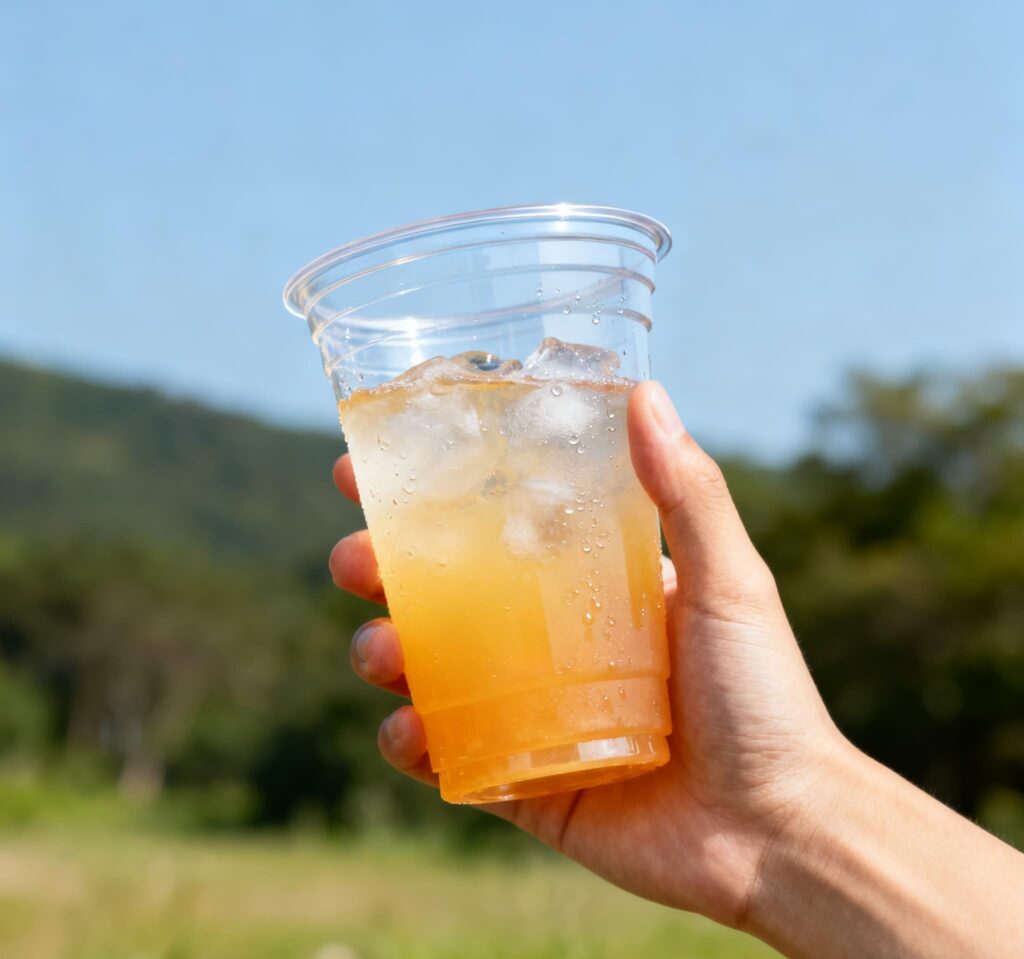
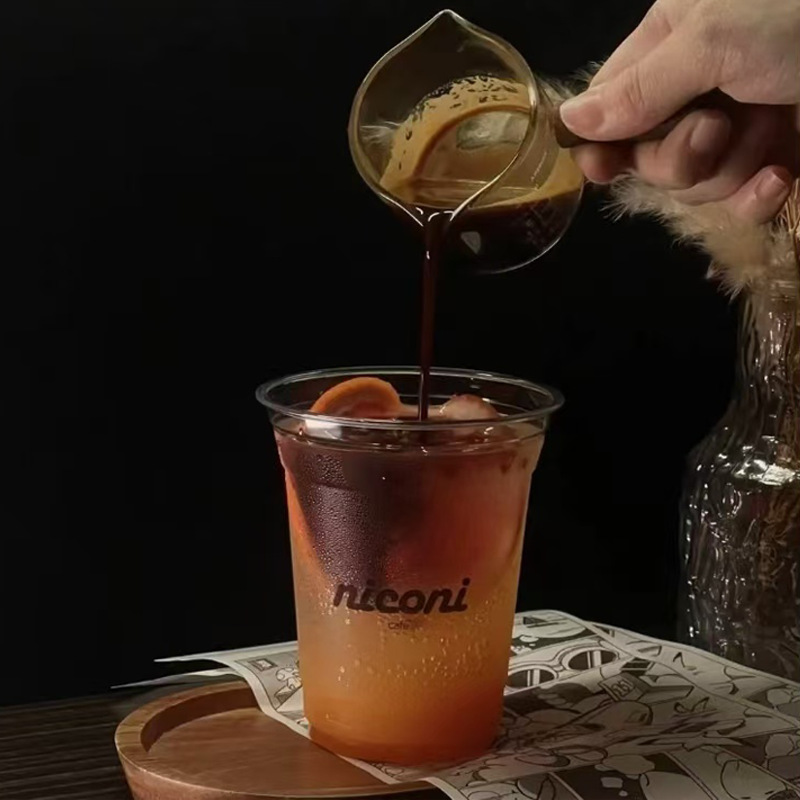
For Cold Applications ➔ Choose PLA: If you are serving iced coffees, nitro cold brews, fresh salads, or cut fruit, use [PLA cold cups/containers]. PLA provides the crystal-clear transparency needed for premium visual merchandising, ensuring your vibrant ingredients are the star of the show.
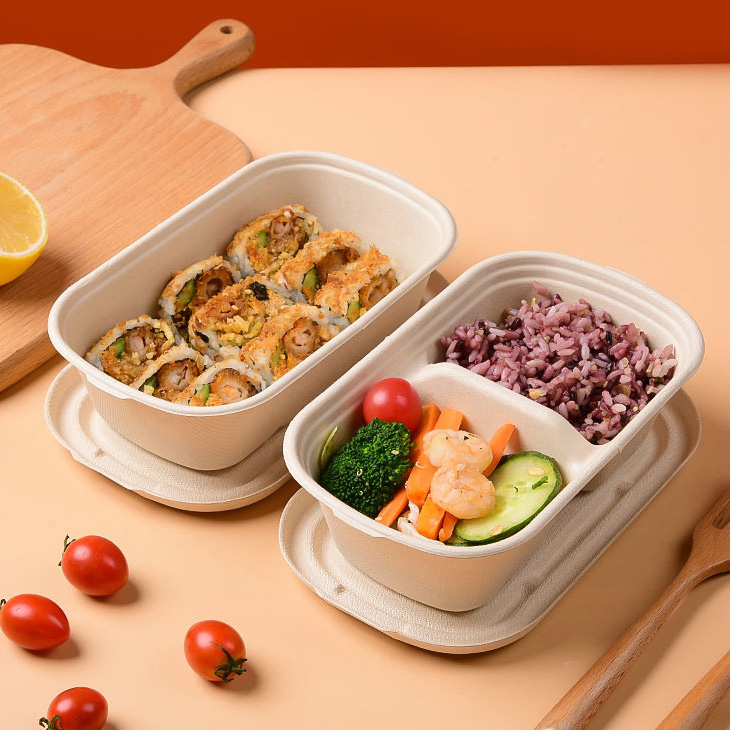
For Hot Applications ➔ Choose Bagasse: If you are serving ramen, curries, burgers, or any item that requires microwave reheating, strictly use Bagasse containers. They will protect the structural integrity of the meal and keep fried foods crispy.
The Hybrid Solution: For hot soups that require a tight, leak-proof seal during bumpy transit, the industry best practice is to use a deep Bagasse bowl paired with a specialized, heat-resistant CPLA or recyclable PP lid.
By building this “Eco-Matrix,” you ensure operational perfection while maintaining a completely green brand image.
5. Conclusion: Stop Guessing, Start Consulting
Transitioning to sustainable packaging is a massive financial investment. You cannot afford to treat it as a trial-and-error experiment at the expense of your brand’s reputation and your customer’s experience.
At Dashan Packing, we are not just here to sell you empty boxes; we are here to serve as your strategic packaging consultants. We have seen the operational disasters caused by poor material choices, and we know exactly how to prevent them.
To help our clients navigate this transition flawlessly, we have developed the Dashan “Hot & Cold Eco-Combo”. This curated portfolio allows you to source premium, crystal-clear PLA for your beverage menu and rugged, heat-resistant Bagasse for your hot kitchen, all from a single, reliable manufacturing partner.
Explore our comprehensive range of [Eco-friendly packaging] to see how we can optimize your delivery operations.
Ready to bulletproof your sustainable supply chain and eliminate delivery spills?  [Contact us] today to speak directly with our packaging engineers and request a customized sample kit for your specific menu.
FAQ: Bagasse and PLA Packaging
1. Can I put PLA containers in the microwave? No. Standard PLA will melt, warp, and potentially fuse to your food if placed in a microwave. Only CPLA (Crystallized PLA) or Bagasse containers should be used for microwave reheating.
2. Are Bagasse containers leak-proof for thin soups? High-quality Bagasse bowls are highly water and oil-resistant and can easily hold soups for the duration of a standard 45-minute delivery window without leaking. However, for extremely long-term storage of liquids, a thin bio-lining (like a PLA or aqueous coating) is often applied to the inside of the Bagasse bowl to prevent the fibers from eventually softening.
3. Will Bagasse alter the taste of my food? No. Premium sugarcane bagasse is thoroughly processed, sanitized, and formed under high heat. It is completely odorless, tasteless, and will not impact the flavor profile of your culinary creations.
4. Can both PLA and Bagasse be recycled together? No. PLA must be sent to a commercial composting facility to break down properly. Bagasse is also commercially compostable, but it is much closer to paper in its composition. They should not be mixed with standard petroleum plastics (like PET or PP) in traditional municipal recycling bins, as they will contaminate the recycling stream.
5. Is Bagasse more expensive than standard plastic? While slightly more expensive than cheap styrofoam (EPS) or very thin plastic, Bagasse is highly competitive in price with premium injection-molded plastics. When you factor in the positive brand equity and the reduction in refunded meals due to its superior performance, Bagasse offers an exceptional return on investment.
References & Authoritative Industry Standards
To ensure our clients make the safest and most economically sound procurement decisions, Dashan Packing bases its material recommendations on data from the following authorities:
ASTM International: ASTM D6400 Standard Specification (The authoritative guidelines defining the exact commercial composting conditions and thermal limits of bioplastics like PLA).
U.S. Food and Drug Administration (FDA): Food Contact Substances (FCS) (The regulatory framework validating the safety, non-toxicity, and heat resilience of sugarcane bagasse fibers for direct contact with boiling liquids and hot oils).
National Restaurant Association: Sustainability in the Restaurant Industry (Industry reports highlighting the critical importance of matching sustainable packaging materials with menu temperatures to prevent delivery failures and customer dissatisfaction).
Copyright & Legal Disclaimer
© 2026 Dashan Packing. All rights reserved.
This Packaging Material Guide is an original work created by the Dashan Packing technical and export consulting teams. All material performance limits (including PLA thermal deformation), heat resistance metrics, and operational strategies are the result of our independent industry research and B2B supply chain experience. Reproduction, redistribution, or unauthorized use of any part of this content without explicit written permission from Dashan Packing is strictly prohibited. Dashan Packing provides this information for strategic procurement and educational purposes only.


评论
发表评论